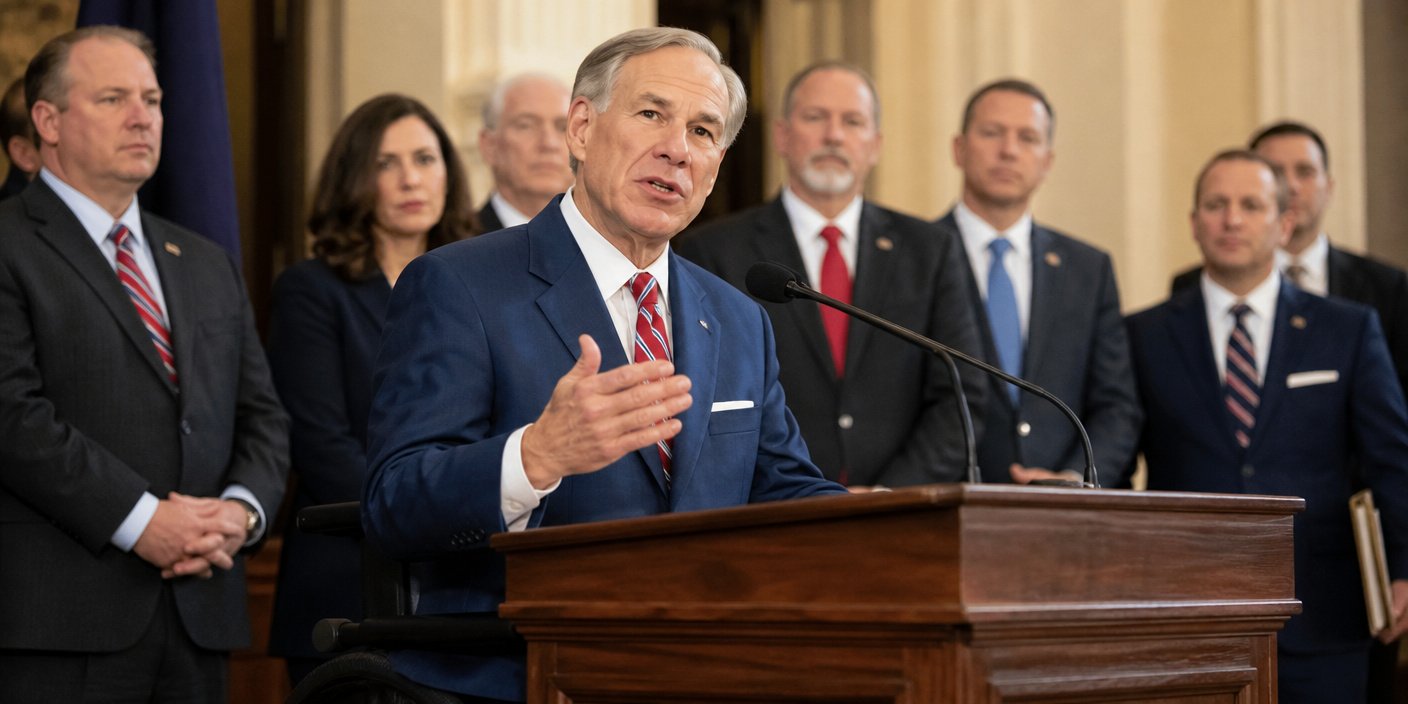

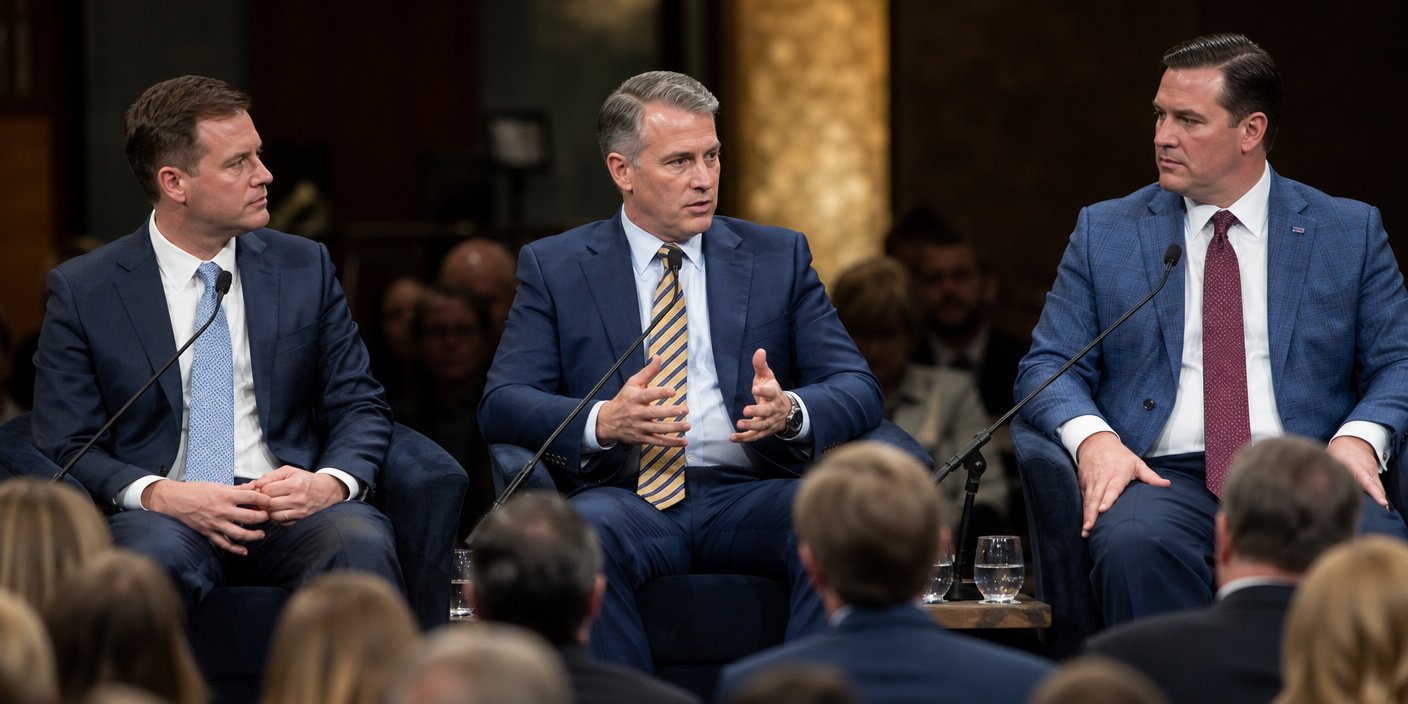
Texas Republican state representatives Mitch Little, Jeff Leach, and Daniel Alders took center stage at the annual Texas Tribune Festival in Austin to outline a decisive and aggressive vision for the GOP’s legislative and electoral agenda. As the state nears pivotal legislative sessions, these leaders utilized the platform to emphasize a return to core party principles, focusing heavily on the intersection of border security, public safety, and the fortification of election integrity. Their discussion provided a window into the prevailing sentiments of the Texas House caucus, highlighting a commitment to conservative governance amidst a rapidly evolving political landscape.
Key Highlights
- Election Integrity Focus: The representatives underscored the necessity of strict electoral oversight to maintain voter confidence, framing it as a non-negotiable priority for the upcoming legislative term.
- Public Safety as a Cornerstone: The panel emphasized that state sovereignty—particularly regarding border security—remains the primary driver for public safety initiatives in Texas.
- GOP Unity Strategy: The discussion centered on bridging internal party divides to present a cohesive legislative front in the Texas House.
- Future Policy Planning: A clear emphasis was placed on proactive policy-making that anticipates, rather than reacts to, the pressures facing Texas families and small businesses.
Shaping the Conservative Agenda for the Future
The panel at the Texas Tribune Festival served as more than just a public forum; it functioned as a strategic briefing for observers of the Texas legislature. Representatives Mitch Little, Jeff Leach, and Daniel Alders articulated a vision that moves beyond traditional partisan talking points, aiming instead for structural changes in how the state manages its public safety apparatus and election administration.
The Mandate for Election Integrity
For the representatives, the conversation around elections was centered on “security through transparency.” Little and his colleagues discussed the implementation of systems designed to reassure the Texas electorate that their votes are protected. The core argument presented was that voter confidence is the foundation of democracy and that the GOP must lead on this issue to prevent the alienation of its base. This is not merely an exercise in messaging; it is a policy priority intended to codify further protections into Texas state law, potentially setting the stage for significant amendments to the election code in the next session.
Public Safety: The Border and Beyond
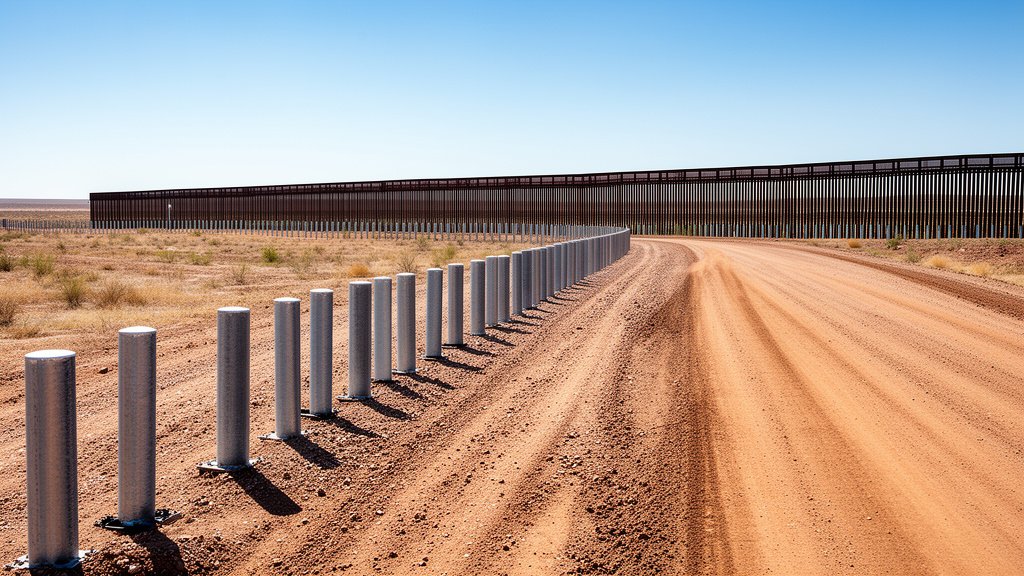
Public safety was identified as the most tangible point of concern for Texas voters. The representatives explored the complex relationship between the Texas-Mexico border and local public safety outcomes. They argued that the state cannot wait for federal intervention, highlighting the necessity of state-funded initiatives like Operation Lone Star. By framing border control as a fundamental public safety issue, they effectively localized a national crisis, making it a kitchen-table topic that resonates deeply with their constituents. The discussion suggested that further budget allocations for law enforcement and border infrastructure are not just likely, but expected.
Navigating the Internal GOP Shift
One of the most nuanced aspects of the panel was the candid discussion on the future of the Republican Party within Texas. As the state becomes increasingly urbanized, the challenge for the GOP lies in maintaining its suburban stronghold while energizing its rural base. The representatives spoke of a need for ideological clarity—arguing that success comes from sticking to proven conservative principles rather than drifting toward the political center to satisfy temporary trends. This “doubling down” approach is designed to prevent the internal factionalism that has plagued other state legislative bodies across the country.
Historical Context of Texas Legislative Sessions
Historically, the Texas Legislature has functioned on a biennial basis, which naturally creates a cycle of high-intensity legislative activity followed by a long period of implementation and review. However, the current political climate—marked by rapid economic growth and population shifts—has forced the state to be more agile. The representatives’ push for specific, actionable policy goals at the festival reflects a broader trend of shifting from reactive lawmaking to proactive agenda-setting, a significant evolution from the sessions of the early 2000s.
The Economic Impact of Public Safety Policies
While often discussed in moral or legal terms, the representatives highlighted the economic reality of their proposed public safety measures. Crime reduction is a prerequisite for economic development. By securing the border and maintaining law and order in urban hubs, the state preserves its reputation as a premier destination for business migration. The lawmakers argued that the economic “Texas Miracle” is directly tied to the state’s ability to maintain a safe, predictable environment for capital investment.
Forecasting the 2025 Legislative Session
As the panel concluded, the focus turned toward the 2025 legislative session. The representatives expressed a sense of urgency. The legislative calendar is short, and the agenda—ranging from education savings accounts to property tax relief and infrastructure—is extensive. By using platforms like the Texas Tribune Festival to socialize these priorities, they are priming the public and their colleagues for a session that is expected to be defined by high-stakes negotiation and, likely, significant legislative turnover.
FAQ: People Also Ask
What was the main goal of the Republican panel at the Texas Tribune Festival?
The panel aimed to unify the GOP’s legislative priorities regarding election integrity and public safety, ensuring the caucus is prepared for the upcoming session.
Why is election integrity a priority for these representatives?
They believe that robust election integrity measures are essential to maintaining voter trust and ensuring the long-term legitimacy of electoral outcomes in Texas.
How does the GOP connect border security to public safety?
The representatives argue that effective border control is the first line of defense in maintaining public safety throughout the state, preventing the spillover of criminal activity into local communities.
What does this suggest about the upcoming legislative session?
It signals a session focused on aggressive, conservative policy-making that prioritizes state sovereignty, law and order, and structural changes to the electoral process.