
The Department of Homeland Security (DHS) is currently executing an aggressive strategy to commit billions of dollars in remaining fiscal year funding toward mass deportation campaigns and physical border infrastructure projects. This tactical sprint to obligate funds comes at a pivotal moment, as Congressional Democrats, emboldened by recent electoral shifts, are mobilizing to launch comprehensive oversight investigations into the department’s financial management and procurement priorities.
The Mechanics of the Fiscal Sprint
At the core of the current tension is the operational velocity of Customs and Border Protection (CBP) and Immigration and Customs Enforcement (ICE). Federal agencies are often tasked with utilizing allocated budgets before the end of the fiscal cycle to prevent funds from lapsing. However, critics and oversight advocates argue that the scale and focus of this specific spending spree go beyond routine maintenance.
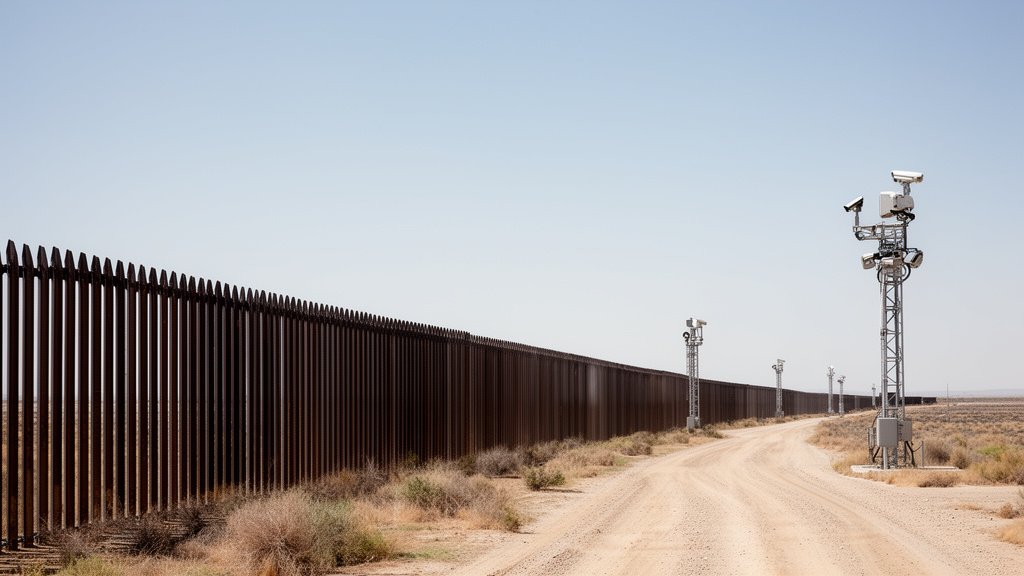
The funding is heavily concentrated on accelerating deportation logistics—ranging from charter flight contracts to detention facility maintenance—and expanding surveillance technology and physical barriers at the southern border. By obligating these funds now, DHS is effectively locking in multi-year service contracts and infrastructure projects, which will limit the maneuverability of the incoming administration or any potential legislative shifts aimed at redirecting these resources. This strategy acts as a firewall against future budgetary rescissions, ensuring that the projects are already in motion regardless of upcoming political interference.
The Democratic Oversight Offensive
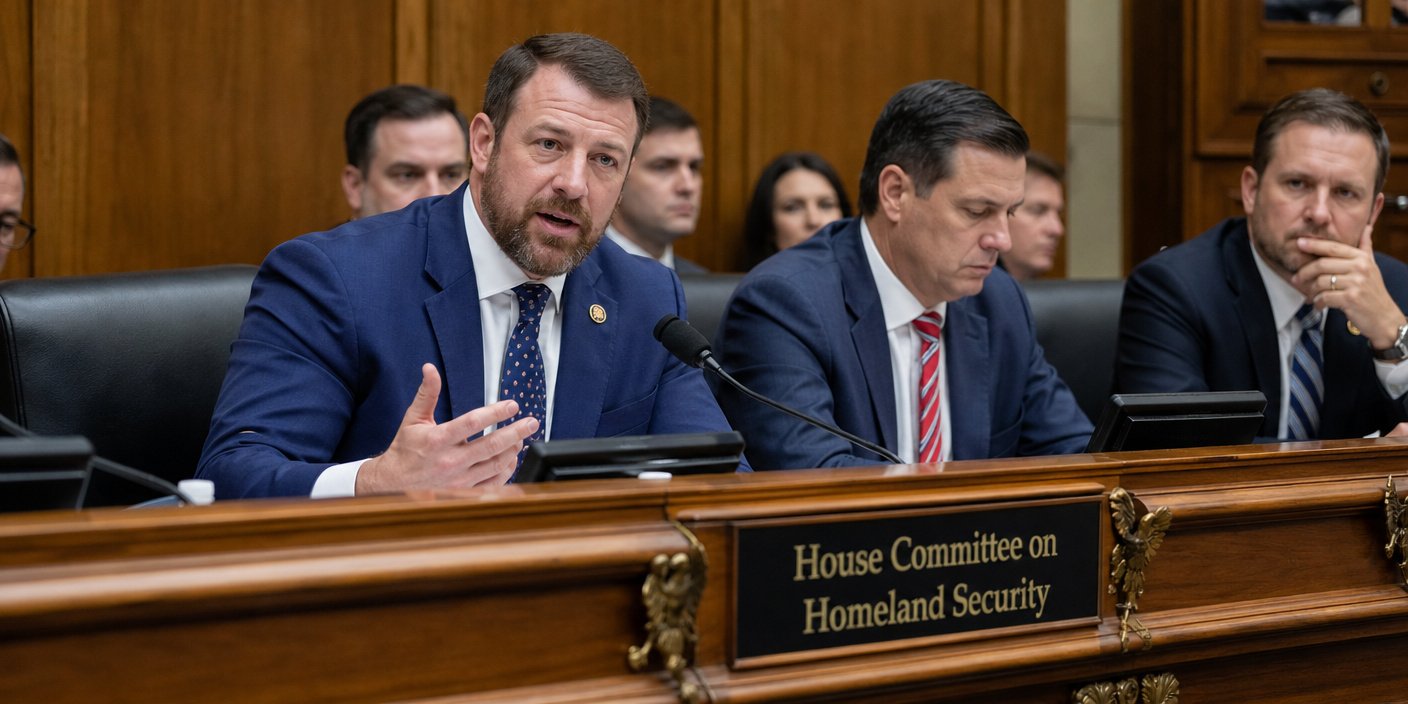
Congressional Democrats have signaled that this spending will be the primary target of their next investigative phase. The focus is not merely on the dollar amounts, but on the transparency of the bidding process and the necessity of the projects themselves.
Members of the House Appropriations Committee and other oversight bodies are preparing a multi-pronged inquiry aimed at examining whether this “midnight spending” prioritizes political optics over operational efficacy. There are significant concerns regarding “unobligated balances”—funds that were approved by Congress for specific, often humanitarian or processing-related purposes, but which are reportedly being redirected toward enforcement-heavy initiatives. Democrats are expected to leverage subpoena power to demand internal memos, procurement timelines, and justification documents for these sudden expenditures. The goal is to determine if DHS leadership bypassed standard regulatory reviews to fast-track these contracts.
The Secondary Angles of Enforcement
To understand the broader implications of this conflict, we must examine three secondary angles that define the current DHS landscape.
First, the issue of procurement integrity. When large sums are rushed into the market, there is an increased risk of vendor overcharging and project mismanagement. Historically, rapid-deployment border projects have faced scrutiny from the Government Accountability Office (GAO) for failing to meet performance benchmarks while inflating costs. Analysts are watching to see if this current round of spending faces similar systemic failures.
Second, the operational impact on immigration processing. While the administration frames these expenditures as essential for border security, experts argue that the diversion of funds away from processing centers could exacerbate backlogs in immigration courts. If resources are stripped from the civil side of the agency to bolster enforcement, the result could be a total slowdown in legal processing times, creating a paradox where security is enhanced while the administrative system effectively collapses under the weight of underfunding.
Third, the “lame duck” power struggle. This dynamic represents a classic transition-era struggle where an outgoing administration seeks to cement its legacy, while the legislative body seeks to obstruct or reverse it. The political risk for DHS is high; by pushing through these billions, they are placing a target on their own back, potentially inviting a wave of legislative scrutiny that could damage their institutional reputation and complicate future budget requests for years to come.
As the investigation prepares to launch, the tension between the executive’s unilateral spending authority and the legislative branch’s power of the purse creates a volatile environment. The outcome of these inquiries will not just impact current DHS operations but could set new legal precedents regarding how much independence executive agencies have in managing their budgets during transition periods.