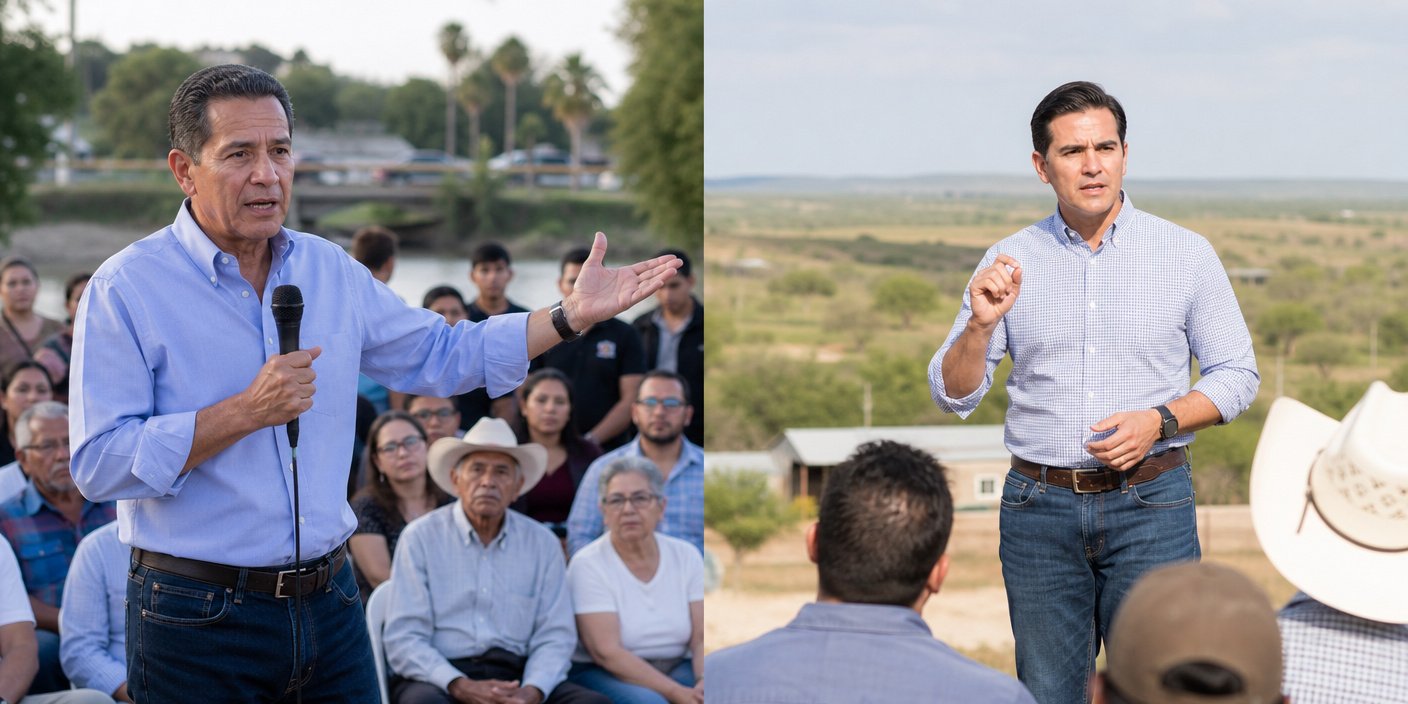


In a decisive move to signal the start of a historic Democratic administration, incoming Texas Governor Gina Hinojosa has unveiled a robust governing agenda centered on direct economic relief and structural reform. During a wide-ranging interview, Hinojosa outlined her primary initiatives, headlined by a proposal for $1,500 tax refund checks for eligible Texas residents. The program, which aims to leverage the state’s massive Economic Stabilization Fund, represents a cornerstone of her broader strategy to redefine fiscal and social policy within the Lone Star State.
Key Highlights
- Direct Economic Relief: Proposal for $1,500 tax refund checks funded by the state’s “rainy day fund.”
- Education Overhaul: A significant push to reshape education policy, focusing on funding models and student outcomes.
- Ethics Reform: A commitment to increasing transparency and implementing stricter state-level ethical standards.
- Historic Shift: The initiative marks the definitive start of a new Democratic administration in the governor’s mansion.
A New Fiscal Frontier for Texas
The central pillar of Governor Hinojosa’s plan is the strategic deployment of the Texas Economic Stabilization Fund, commonly referred to as the “Rainy Day Fund.” By proposing $1,500 tax refund checks, Hinojosa intends to put liquid capital directly into the hands of residents during a period of shifting economic conditions. This proposal is intended to serve as both an immediate stimulus and a symbolic demonstration of her administration’s commitment to returning state surplus funds to taxpayers.
Navigating the Rainy Day Fund
The Economic Stabilization Fund is primarily funded by severance taxes from oil and natural gas production. Historically, these funds are reserved for unforeseen budget deficits or emergencies. Hinojosa’s proposal implies a significant shift in philosophy: that a massive, untouched surplus during a time of economic volatility constitutes a situation where intervention is not just warranted, but necessary. Critics and proponents alike are already bracing for a complex legislative battle, as the disbursement of these funds requires approval from the Texas Legislature, which remains a primary hurdle for the administration’s fiscal goals.
Reshaping the Education Landscape
Beyond the headline-grabbing tax refunds, Hinojosa has positioned education reform as a secondary, yet equally critical, priority. The administration has signaled a pivot toward addressing systemic disparities in school funding and curriculum standards. While the full extent of the policy remains in the drafting phase, the focus appears to be on bridging the gap between urban and rural districts. By linking educational outcomes to state-level economic success, Hinojosa is framing school reform not just as a social issue, but as an essential pillar of long-term state prosperity.
The Push for Ethical Reform
Complementing these fiscal and educational goals is a rigorous demand for enhanced state-level ethics. Hinojosa has emphasized that for any major policy shift to succeed, the trust of the electorate must be rebuilt. The governor’s office is expected to introduce a package of legislation aimed at stricter lobbying disclosures, conflict-of-interest regulations, and improved oversight mechanisms for state agencies. This initiative aims to reduce the influence of special interests in the legislative process, a move that is likely to resonate with a constituency frustrated by past controversies surrounding governance in the state capital.
Political Realities and Legislative Strategy
The road ahead for the Hinojosa administration is undeniably steep. With a legislature that holds a strong Republican majority, the governor must master the art of bipartisan compromise to pass her agenda. The $1,500 tax refund and education reform package will serve as a litmus test for her political capital. Analysts suggest that her success will depend on her ability to package these reforms in ways that align with the interests of rural legislators while maintaining her campaign promises to her Democratic base. The coming months will determine whether the administration can translate this bold agenda into law or if it will face legislative gridlock.
FAQ: People Also Ask
1. How will the $1,500 tax refund be funded?
Governor Hinojosa proposes utilizing the state’s Economic Stabilization Fund (Rainy Day Fund). This fund, which is largely comprised of oil and gas tax revenue, is designed to be used during budget shortfalls, but the administration argues it should be used for tax relief given the current economic climate.
2. What are the specific components of the education policy reforms?
The initial framework focuses on modernizing school funding formulas and addressing funding disparities between different school districts across Texas. Further details are expected to be released as the legislative session progresses.
3. Is the ethics reform package focused on specific state agencies?
Yes, the ethics reform package aims to overhaul oversight mechanisms across multiple state agencies, with a primary focus on increasing transparency in lobbying activities and strengthening conflict-of-interest rules for elected officials.