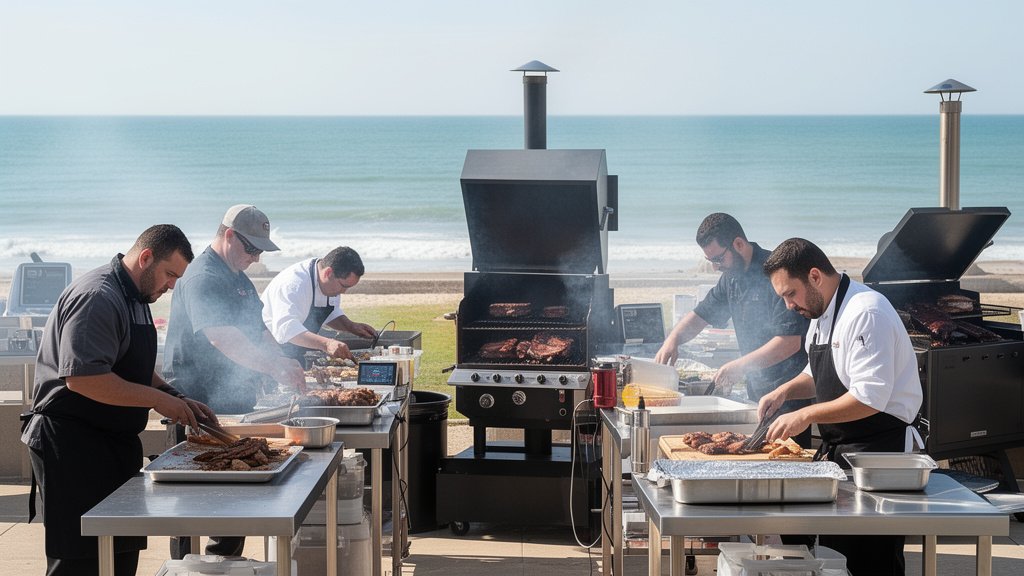

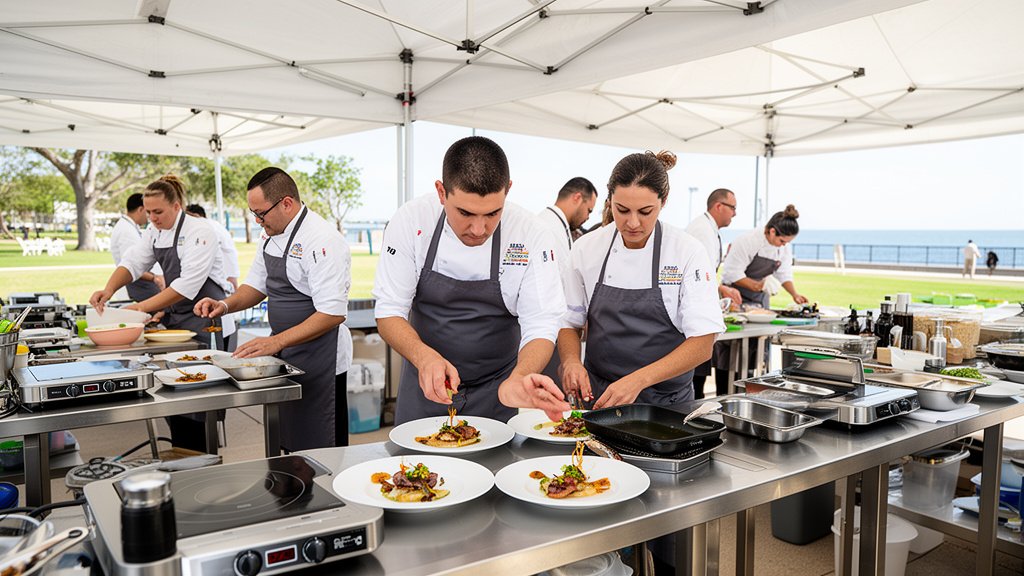
The inaugural Texas Food Championship at Water’s Edge Park has officially concluded, transforming Corpus Christi into a high-stakes culinary arena. This premier event attracted top-tier chefs and home cooks from across the state, functioning as a vital qualifying pathway for national-level culinary competitions. By integrating professional and amateur talent in a structured, rigorous format, the event has effectively cemented Corpus Christi’s status on the competitive cooking circuit map, drawing eyes and appetites from across Texas.
The Rise of Professional Competitive Cooking
The landscape of competitive cooking has shifted dramatically over the last decade, evolving from local county fair bake-offs into a sophisticated, sport-like discipline. The Texas Food Championship represents the latest evolution in this movement, mirroring the rigor found in televised culinary contests. For the participants in Corpus Christi, the event was not merely about flavor; it was a test of timing, plating aesthetics, and consistency—the three pillars of the World Food Championships (WFC) scoring rubric.
Competitors arrived at Water’s Edge Park with specialized gear, proprietary spice blends, and the precision of high-performance athletes. The atmosphere was charged with a professional intensity, where seconds mattered as much as seasonings. By standardizing the format, the championship ensured that winners were selected based on objective metrics, stripping away the subjectivity often associated with smaller regional contests. This shift toward a standardized, high-performance model is precisely what the culinary industry demands, and the Texas inaugural event delivered a proof-of-concept that demonstrates the potential for future scalability.
Analyzing the WFC Qualifying Mechanics
The core utility of this championship lies in its function as a feeder event for the World Food Championships. The WFC structure is built on a ‘Road to the Table’ philosophy, where regional tournaments act as filtering mechanisms. By hosting this qualifier, Corpus Christi effectively became a talent scout for the national stage.
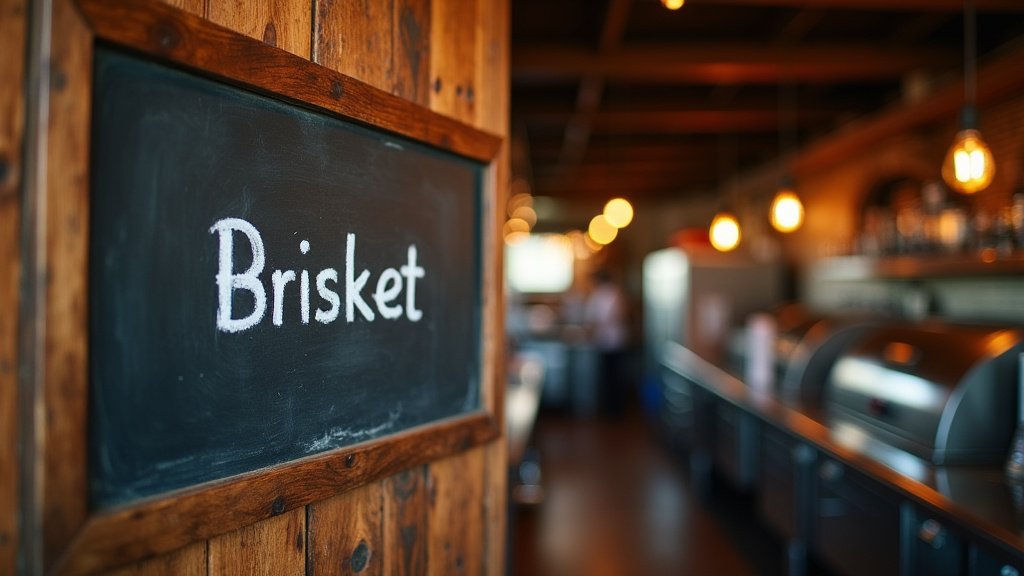
Participants competed in various categories, ensuring that the event showcased the breadth of culinary capability rather than just a single specialty. This categorical approach allowed judges to evaluate the technical prowess required for specific cuisines—such as the balance of smoke and heat in barbecue, or the delicate layering required in dessert preparation. Every dish presented was scrutinized through a blind-tasting process, ensuring that the focus remained entirely on the output rather than the reputation of the chef. This methodology is critical for identifying talent that is ‘WFC-ready,’ meaning they possess the stamina and skill set to handle the high-pressure, multi-round format of the national finals.
Economic and Cultural Ripple Effects for the Coastal Bend
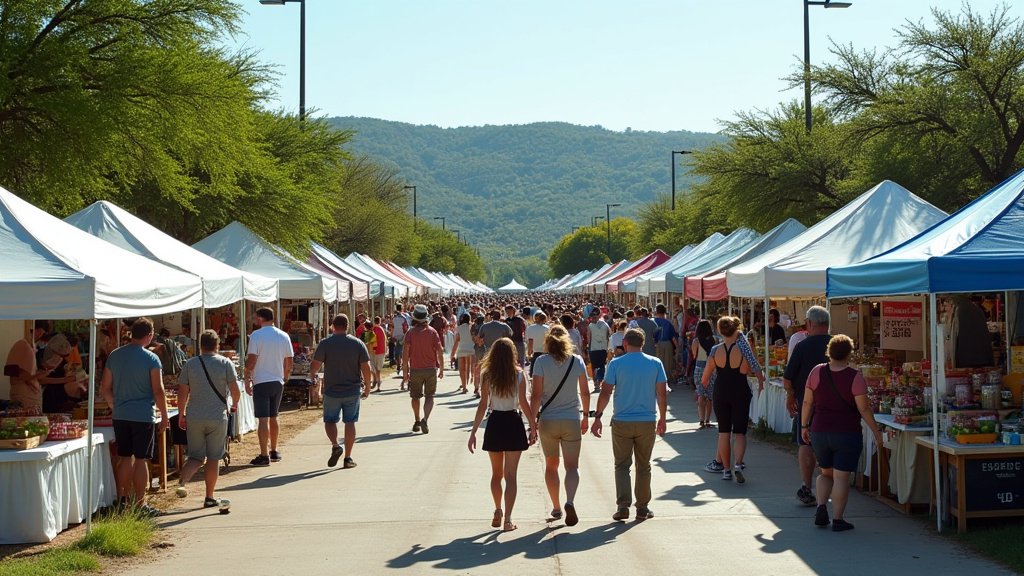
Beyond the kitchen, the event serves as a significant economic catalyst for the Coastal Bend region. Hosting an event of this caliber requires infrastructure—logistics, supply chains, and hospitality support—all of which drive direct and indirect revenue into the local economy. The influx of competitors and their support teams, combined with the spectators drawn to the festival atmosphere, provides a measurable boost to Corpus Christi’s tourism sector.
Furthermore, the championship elevates the city’s culinary profile. When a municipality hosts a state-level championship, it signals to the broader culinary community that the region possesses the resources and the appetite to support high-end gastronomic activity. This helps shift the local narrative from a purely ‘beach and vacation’ destination to a city that values culinary innovation. For local restaurateurs, this event provides a benchmark and an opportunity to network with the best cooks in the state, potentially leading to future collaborations and a general elevation of the local dining scene standards.
The Psychology of High-Stakes Culinary Performance
Perhaps the most compelling aspect of the Texas Food Championship is the psychological discipline of the competitors. Unlike a restaurant kitchen, where a chef has a support brigade, the championship environment often requires individuals or small teams to manage every aspect of the service—from mise en place to final plating—within a strict, ticking clock.
This creates a pressure-cooker environment that separates hobbyists from true competitors. The ability to maintain composure when a burner fails or an ingredient is misplaced is a skill that is honed over years of practice. As the inaugural championship unfolded, observers noted a distinct level of focus and emotional regulation among the top-tier competitors. This psychological fortitude is exactly what national scouts look for. The event effectively turned the park into a testing ground for character as much as for taste. By successfully navigating these challenges, the participants have proven they have the mental endurance required for the next level of the professional culinary circuit, marking this event as a critical milestone in their respective journeys.