
The Texas energy landscape is at a critical inflection point, and the Houston Chronicle Editorial Board has identified a clear path forward: the passage of BAAJA permitting reform. As Texans continue to grapple with volatility in energy pricing and the persistent threat of grid instability, policymakers in Austin face a dual mandate. They must not only secure the state’s power infrastructure against future stressors but also align their legislative agenda with the immediate economic realities of their constituents. By prioritizing the Building America’s Energy Infrastructure Act (BAAJA) framework, Texas lawmakers have a unique opportunity to deliver on the promise of lower bills and enhanced grid resilience, a strategy that aligns perfectly with the goals of new Democratic leadership seeking to solidify voter support.
Key Highlights
- BAAJA permitting reform is positioned as a legislative ‘no-brainer’ to expedite critical energy infrastructure projects.
- The reform aims to directly lower consumer energy bills by reducing the ‘red tape’ that inflates project costs and delays deployment.
- Grid reliability remains the top priority; streamlining the approval process for new energy sources is essential to meet the state’s surging electricity demand.
- Democratic lawmakers are urged to leverage this issue to demonstrate a commitment to affordability and practical governance, a key requirement for maintaining voter trust.
The Urgent Case for Energy Permitting Reform
The debate over Texas energy policy has long been dominated by ideological clashes, yet the Houston Chronicle Editorial Board’s recent stance on BAAJA highlights a shift toward pragmatic, outcome-based governance. At its core, the BAAJA framework is designed to address the systemic bottlenecks that have historically hampered the rapid deployment of new energy infrastructure. Currently, energy projects—whether involving traditional natural gas facilities or renewable grid assets—face a labyrinthine permitting process that can stretch for years. This bureaucratic drag is not merely an administrative nuisance; it is a financial anchor that keeps energy costs unnecessarily high for the average Texan.
Breaking the Gridlock
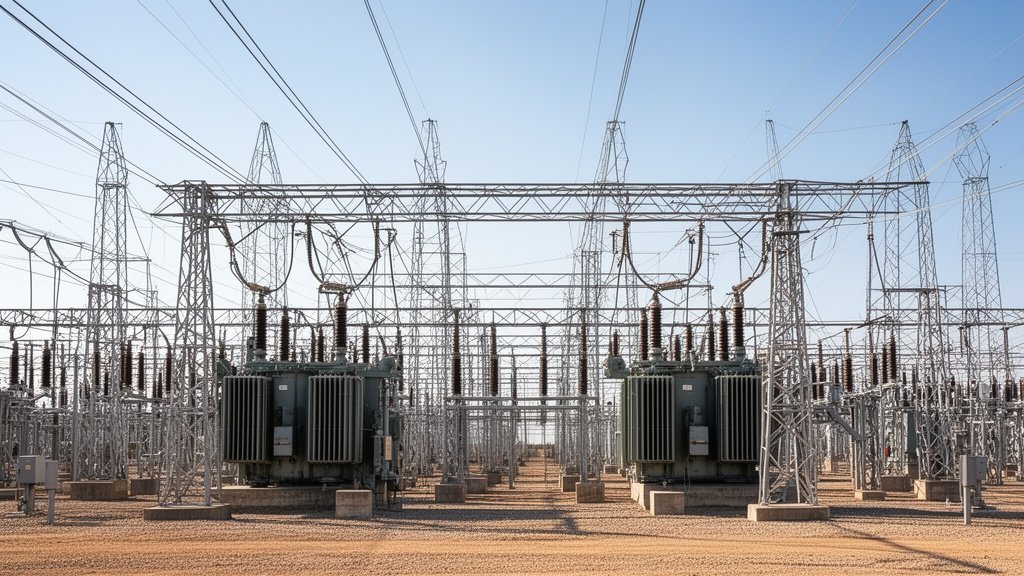
For the Electric Reliability Council of Texas (ERCOT), the challenge is twofold: managing an aging, stressed infrastructure and accommodating a population and industrial sector that is expanding at an unprecedented rate. The current permitting environment, often bogged down by duplicative reviews and outdated regulatory frameworks, prevents necessary upgrades from coming online in time to meet peak demand. Proponents of BAAJA argue that by centralizing and accelerating these reviews, Texas can shorten the ‘time-to-wire’ for new projects. This acceleration is not about bypassing safety or environmental standards, but rather about streamlining the coordination between state and federal oversight agencies.
Economic Impact: Turning Efficiency into Affordability
The correlation between permitting speed and consumer costs is direct. When companies face years of uncertainty regarding project approval, the cost of capital skyrockets, and these costs are inevitably passed down to the consumer in the form of higher monthly electric bills. By simplifying the regulatory path, BAAJA reduces project risk, encourages investment, and fosters a more competitive energy market. For the Houston Chronicle editorial board, the economic argument is undeniable: if lawmakers want to address the cost-of-living crisis facing many Texans, they must start by tackling the structural inefficiencies that keep energy prices elevated.
Political Alignment and Voter Mandate
Following the recent election cycle, the new Democratic leadership in Texas finds itself in a pivotal position. To secure long-term voter confidence, these leaders must deliver tangible wins that resonate with everyday households. Advocacy for BAAJA serves as a powerful instrument in this regard. It moves the conversation away from polarizing ‘culture war’ energy debates and toward a consensus-based approach focused on pocketbook issues. By championing a bill that is viewed as a ‘no-brainer’ for infrastructure, Democrats can demonstrate that they are the party of practical, responsible governance, capable of delivering lower bills and a more reliable grid. It is an opportunity to bridge the gap between policy goals and constituent needs, proving that they are listening to the demand for stability and affordability.
The Path Forward: Avoiding Stagnation
The risk of inaction is significant. As Texas experiences further population growth and industrial expansion, the margin for error on the grid continues to shrink. Continued reliance on a sluggish permitting regime is not just a policy failure; it is a liability that invites future service interruptions. Legislators have the tools—namely the BAAJA framework—to proactively manage this growth. The editorial board’s directive is clear: the time for partisan obstructionism is over. The state’s energy future depends on a modernized, efficient approach to infrastructure development that prioritizes the economic security of all Texans.
FAQ: People Also Ask
What is BAAJA and why is it important for Texas?
BAAJA refers to the Building America’s Energy Infrastructure Act (or related permitting reform efforts). It is important for Texas because it aims to reduce the bureaucratic ‘red tape’ that delays new power infrastructure, which is essential for stabilizing the grid and reducing costs.
How will BAAJA lower energy bills for Texans?
By shortening the permitting process for new energy projects, BAAJA lowers the cost of capital for energy developers. Reduced project risk and faster completion times mean lower operational costs, which translate into competitive pricing for consumers on their monthly utility bills.
Why are lawmakers focusing on this right now?
Following recent elections, there is pressure on new leadership to deliver immediate, tangible results. Improving energy affordability and grid reliability through BAAJA is seen as a high-impact, achievable policy goal that addresses a major voter concern.