
In a decisive move that could reshape water management policies across Texas, the Texas Commission on Environmental Quality (TCEQ) has voted 2-1 to initiate an inquiry into potentially barring new wastewater discharges into Canyon Lake. This extraordinary action comes in direct response to a petition submitted by local residents and regional environmental groups, marking a significant divergence from the agency’s historical reliance on established staff recommendations, which had previously argued that existing water quality protections were sufficient to safeguard the reservoir.
The Anatomy of the Regulatory Shift
The 2-1 vote represents a rare moment of bureaucratic friction within the TCEQ. Typically, the commission leans heavily on the technical assessments provided by its internal agency staff, who are tasked with evaluating the impact of permit applications on state water resources. In this instance, however, commissioners questioned the sufficiency of current regulatory frameworks. The inquiry will now explore the feasibility and legal implications of instituting a moratorium on new discharge permits—a policy tool that is rarely deployed in the state of Texas.
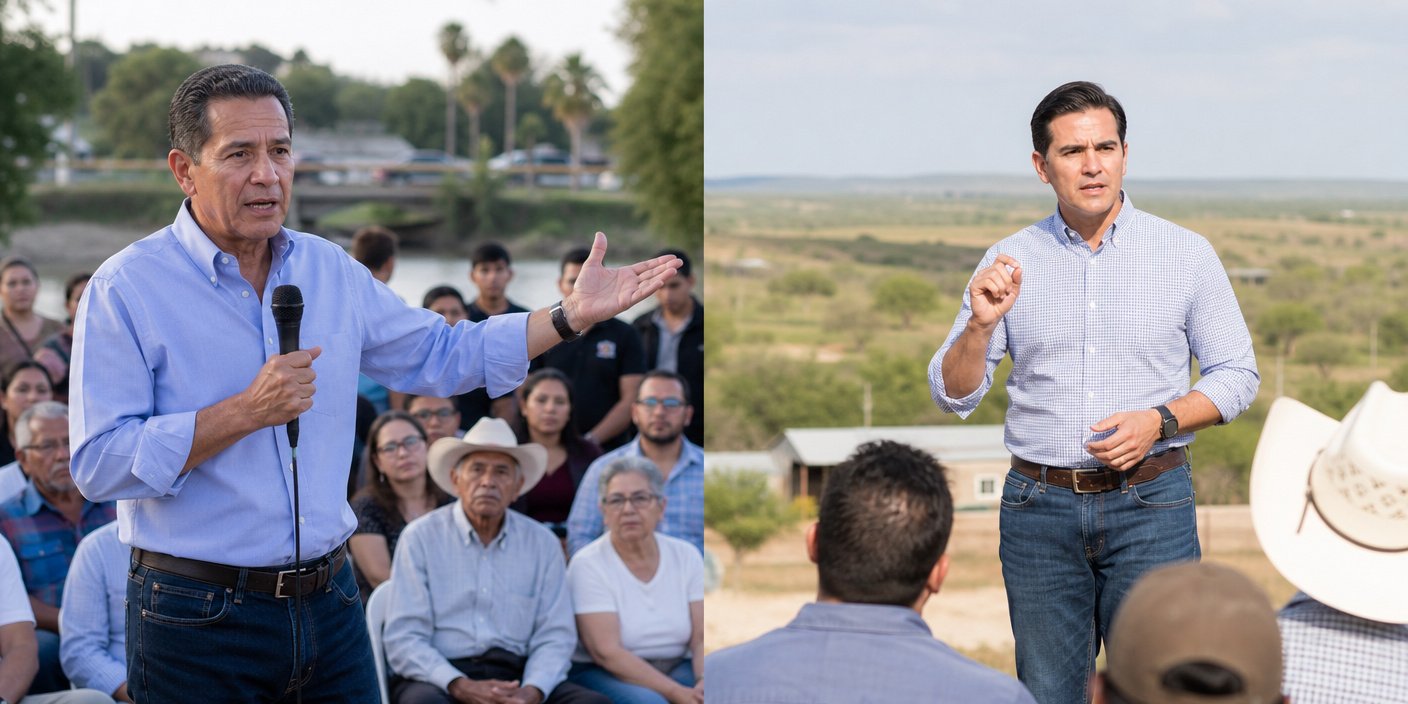
For the residents of Comal County and the broader Hill Country, the vote is viewed as a victory for community activism. The petition, which galvanized local opposition to further development-related runoff, argued that the cumulative impact of treated wastewater discharge poses a long-term threat to the water quality of the reservoir. While treated wastewater is technically regulated to meet safety standards, activists contend that the introduction of high nutrient loads—specifically phosphorus and nitrogen—leads to accelerated algal blooms and degraded water health.
Environmental Stakes and Water Integrity
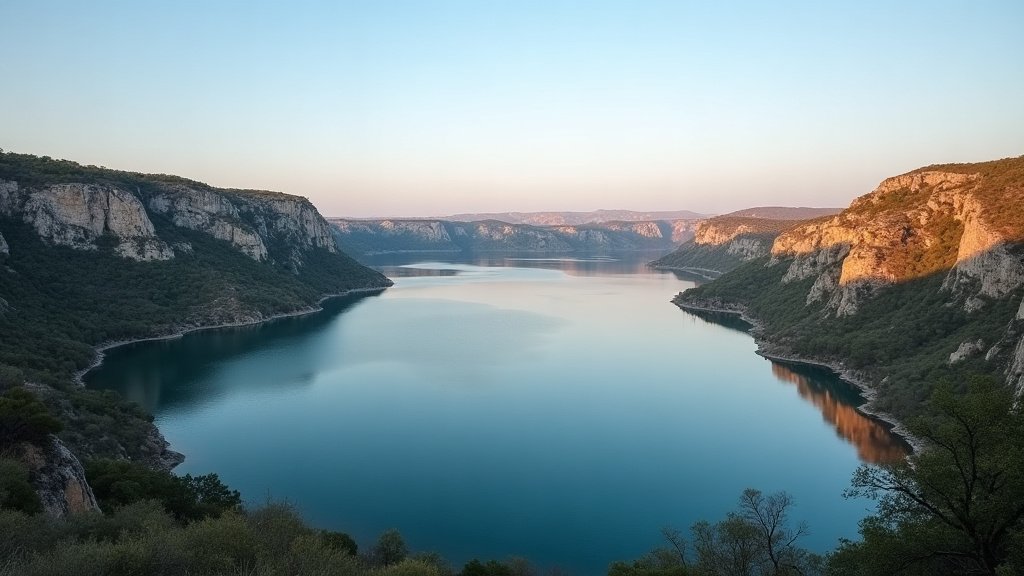
Canyon Lake serves as a vital water source and a primary recreational hub for Central Texas. The debate surrounding wastewater discharge is not merely aesthetic; it is fundamentally tied to the ecological integrity of the watershed. As the population in the corridors surrounding San Antonio and the Hill Country continues to surge, infrastructure development has struggled to keep pace. Developers frequently seek to discharge treated effluent into nearby waterways, a method that is often more cost-effective than land application or alternative disposal systems.
However, the environmental stakes are high. The lake’s specific hydrology means that pollutants do not flush out quickly, potentially leading to a concentrated buildup over time. The upcoming inquiry will need to address whether the current permit approval process adequately accounts for the long-term, cumulative environmental degradation of the reservoir, or if a more stringent, area-wide prohibition is necessary to preserve the water quality for future generations.
Economic and Development Implications
The potential moratorium creates a complex challenge for regional development. If the TCEQ ultimately decides to bar new discharges, it would force developers and municipalities to seek more expensive, land-intensive disposal methods. This could lead to a cooling effect on residential development projects that rely on traditional wastewater management systems. From an economic perspective, the inquiry is a litmus test for how Texas balances the demand for rapid suburban expansion with the preservation of natural resources.
Critics of the potential ban argue that it could stifle growth in one of the fastest-growing regions in the country. Proponents, however, maintain that the economic value of a clean, thriving lake—which drives tourism and property values—far outweighs the short-term convenience of cheaper waste disposal. As the commission begins its formal review, these competing interests will be center stage, with potential ripple effects for other reservoirs and watersheds across the state. The inquiry serves as a signaling event; if the TCEQ establishes a precedent of restricting discharges in Canyon Lake, it could pave the way for similar petitions in other environmentally sensitive areas, altering the landscape of Texas water policy for years to come.