

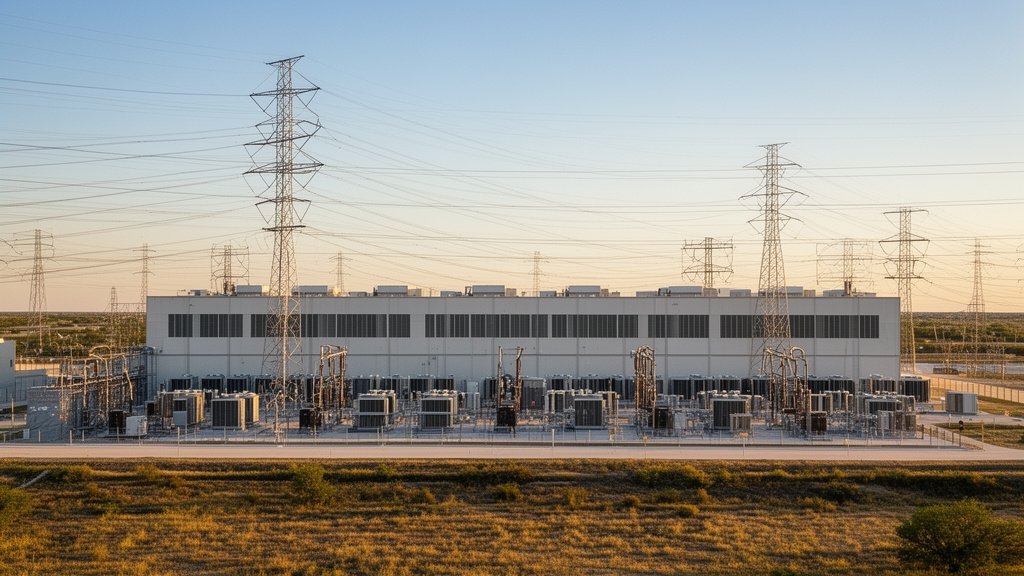
The Texas Commission on Environmental Quality (TCEQ) has officially resumed the processing of environmental permits for data centers, signaling an end to the state-mandated pause that previously halted several major infrastructure projects. This regulatory shift follows the successful completion of an exhaustive audit conducted by the Electric Reliability Council of Texas (ERCOT), which evaluated the cumulative impact of these high-energy-demand facilities on the state’s electrical power grid. For developers, tech giants, and energy stakeholders, this move represents a recalibration of Texas’s rapid industrial growth, prioritizing grid stability while attempting to maintain the state’s position as a premier global hub for high-performance computing and artificial intelligence.
Key Highlights
- Pause Lifted: TCEQ has officially cleared the backlog of environmental permit applications for data centers.
- ERCOT Audit: The resumption is predicated on a comprehensive grid-impact study by ERCOT, designed to ensure capacity can support rapid technological expansion.
- Regulatory Integration: Future permits will now reflect a more integrated communication pipeline between environmental regulators and grid operators.
- Strategic Balancing: The state aims to balance the economic benefits of digital infrastructure with the existential necessity of power grid reliability for Texas residents.
Navigating the Intersection of Digital Growth and Grid Stability
The resumption of permitting is not merely a bureaucratic checkbox; it is a fundamental shift in how the state manages the intersection of industrial development and utility infrastructure. For the past several years, Texas has become an epicenter for the “data center gold rush.” Driven by favorable climate, competitive land prices, and an independent electrical grid that historically offered flexibility, the state saw a surge in applications from hyperscalers—massive companies that require significant physical and electrical footprints to run cloud services, AI, and enterprise data operations.
However, this growth reached a tipping point when ERCOT signaled concerns regarding peak energy demand. Data centers, by nature, operate 24/7, and many modern AI-driven facilities consume electricity at levels comparable to small towns. The subsequent pause, authorized to allow for a rigorous audit of the grid’s limitations, was a precautionary measure against the risk of rolling blackouts or system instability during extreme weather events. The conclusion of this audit has provided the TCEQ with the necessary data to resume permitting, albeit with a more nuanced understanding of where and how these facilities can connect to the grid without jeopardizing local energy supply.
The Role of ERCOT in Modern Regulatory Frameworks
Historically, the TCEQ and ERCOT operated largely in silos. The TCEQ focused on environmental compliance—noise, water usage, and emission standards for backup generators—while ERCOT managed the flow of electrons. This new phase of regulation necessitates a much tighter integration between the two. The recent audit has established a ‘grid-conscious’ permitting process. It suggests that moving forward, applicants may face more rigorous scrutiny regarding their grid interconnection agreements before the TCEQ grants final environmental clearance. This protects the state from approving projects that are environmentally sound but grid-incompatible.
Economic Implications: The Texas Advantage
Despite the temporary freeze, the investment climate in Texas remains largely bullish. The state’s unique deregulated energy market, coupled with its massive investment in renewable energy integration, continues to attract investment that would otherwise go to Northern Virginia or Silicon Valley. By resolving the permitting logjam, Texas is signaling to the global technology market that it is ‘open for business’—but with conditions. Companies are now expected to be more transparent about their peak load requirements and their plans for participating in demand-response programs, which allow the grid to draw power back from data centers during critical shortage hours.
Future-Proofing for AI and High-Performance Computing
The sheer scale of the demand for AI computation means that this is likely the first of many regulatory adjustments. The challenge for Texas regulators is to provide a framework that is flexible enough to accommodate technological innovation while being rigid enough to protect the physical infrastructure. The audit by ERCOT is expected to serve as a ‘living document.’ As new data centers come online, the state will likely monitor grid performance in real-time, adjusting future permitting pipelines based on the actual, rather than projected, stress on the transmission lines. This data-driven approach is a significant step toward creating a smarter, more resilient energy economy that can handle the next decade of digital transformation.
FAQ: People Also Ask
Q: Why was the pause on data center permits implemented in the first place?
A: The pause was implemented by Governor Greg Abbott’s administration to allow ERCOT to conduct a thorough audit of the state’s power grid. The primary concern was whether the state’s electrical infrastructure could sustain the massive, consistent power demands of new, high-density data centers without risking reliability for the general public.
Q: What changes can developers expect now that permitting has resumed?
A: Developers should expect a more collaborative approval process. While the TCEQ is processing permits again, applicants are likely to face closer scrutiny regarding grid interconnection and how their projects integrate with ERCOT’s capacity assessments.
Q: Does this resumption mean Texas has unlimited energy for data centers?
A: No. The resumption is based on the findings of the ERCOT audit, which provides a roadmap for capacity. The state is essentially moving from a total freeze to a ‘measured growth’ model, ensuring new projects are approved based on the grid’s actual capacity to provide reliable power.