The Republican Party of Texas (RPT) has officially set its sights on Dallas for the 2026 midterm convention, scheduled to take place from September 9-10. This strategic relocation marks a significant departure from historical precedent; for more than 40 years, the RPT has consistently held its major conventions in Fort Worth, often citing the venue’s accessibility and long-standing political tradition. By shifting the location to Dallas, party leadership is signaling a modern pivot toward maximizing media exposure and tapping into the expansive demographic reach of the Dallas-Fort Worth metroplex.
Key Highlights
- New Convention Site: The 2026 Republican midterm convention will take place in Dallas on September 9-10, 2026.
- Breaking Tradition: This event marks the first time in over 40 years the convention has moved away from its long-term Fort Worth home.
- Strategic Media Push: The shift is primarily driven by a desire to capitalize on Dallas’s superior media market and broader broadcast reach.
- Logistical Pivot: The decision reflects a larger trend of state political organizations seeking high-visibility urban centers for midterm engagement.
A Strategic Shift to Dallas
The announcement to move the 2026 Republican midterm convention to Dallas represents more than just a change in venue; it is a calculated effort to amplify the party’s political messaging. For decades, Fort Worth served as the reliable, comfortable anchor for Texas Republicans, specifically utilizing the Will Rogers Memorial Center. While Fort Worth provided a historic and centralized atmosphere, Dallas offers a fundamentally different set of advantages, particularly regarding infrastructure and audience visibility.
The Power of the Media Market
One of the primary drivers behind this decision is the sheer size of the Dallas media market. Dallas is consistently ranked as one of the top television and digital media markets in the United States. In the high-stakes environment of a midterm election cycle, the ability to generate organic media coverage, secure interviews with major news outlets, and reach a concentrated voter demographic is paramount. By hosting the convention in Dallas, the Republican Party of Texas aims to ensure that their agenda, keynote speeches, and party platform receive the widest possible exposure to both the DFW metro area and the broader state.
Historical Context and The Fort Worth Legacy
For over 40 years, the convention’s presence in Fort Worth created a predictable political rhythm. Delegates were accustomed to the logistical flow of the city, and the venue became synonymous with the RPT brand. However, as the Texas political landscape has evolved—marked by rapid population growth and shifting suburban demographics—the party has been under pressure to adapt its outreach strategies. Moving the convention to a major global hub like Dallas is an acknowledgment that the traditional approach to political gathering is being supplanted by a need for modern, high-visibility event management.
Logistical Advantages and Infrastructure
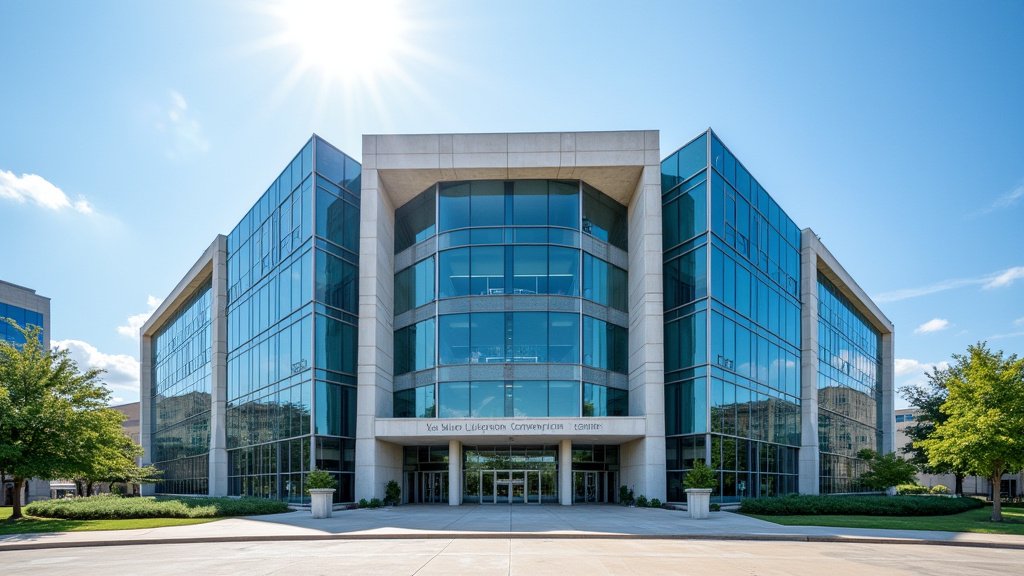
Beyond media reach, Dallas offers a distinct logistical advantage. The proximity of Dallas Love Field and the massive international connectivity of Dallas-Fort Worth International (DFW) Airport makes the city an ideal hub for delegates traveling from across Texas and the country. The Kay Bailey Hutchison Convention Center, a massive facility in downtown Dallas, provides the necessary scale to accommodate the thousands of attendees, exhibitors, and media personnel expected at the event. This facility upgrade allows for a more streamlined experience compared to smaller regional venues, allowing for more complex programming and larger breakout sessions.
Economic Impact and Future Outlook
Hosting a major political convention brings a significant economic injection into the host city. Hotels, restaurants, and local service sectors in Dallas are expected to see a surge in revenue during the two-day period. Furthermore, this move raises questions about the future of the convention circuit. If the 2026 Dallas event proves successful in terms of attendance and media amplification, it is highly likely that the RPT will consider rotating venues more frequently, potentially ending the era of the ‘permanent’ Fort Worth convention home. This would indicate a more agile political party, willing to move its resources to where the voter concentration is highest rather than adhering to legacy habits.
FAQ: People Also Ask
Q: Why was the convention held in Fort Worth for over 40 years?
A: Fort Worth was long considered a stronghold and a logistical hub for Republican events in Texas. It offered a central location with established facilities that could easily handle the needs of the delegates while maintaining a consistent, reliable atmosphere that was deeply integrated into the party’s historical identity.
Q: Will the 2026 convention move back to Fort Worth in the future?
A: The RPT has not indicated if this is a permanent change. The move is viewed as a strategic decision based on current media market needs. Future convention locations will likely be decided on a cycle-by-cycle basis, prioritizing organizational goals and visibility.
Q: What is the primary benefit of hosting the convention in Dallas?
A: The primary benefit is the media market. Dallas provides significantly greater opportunities for broadcasting, press coverage, and visibility among a vast, dense urban and suburban population, which is crucial for influencing midterm election voters.
Q: How does this change the experience for delegates?
A: Delegates will likely experience a shift toward a more modern, downtown urban convention setting. This includes access to larger venue facilities, increased hotel availability, and the benefits of being in a major metropolitan center with enhanced transportation connectivity.