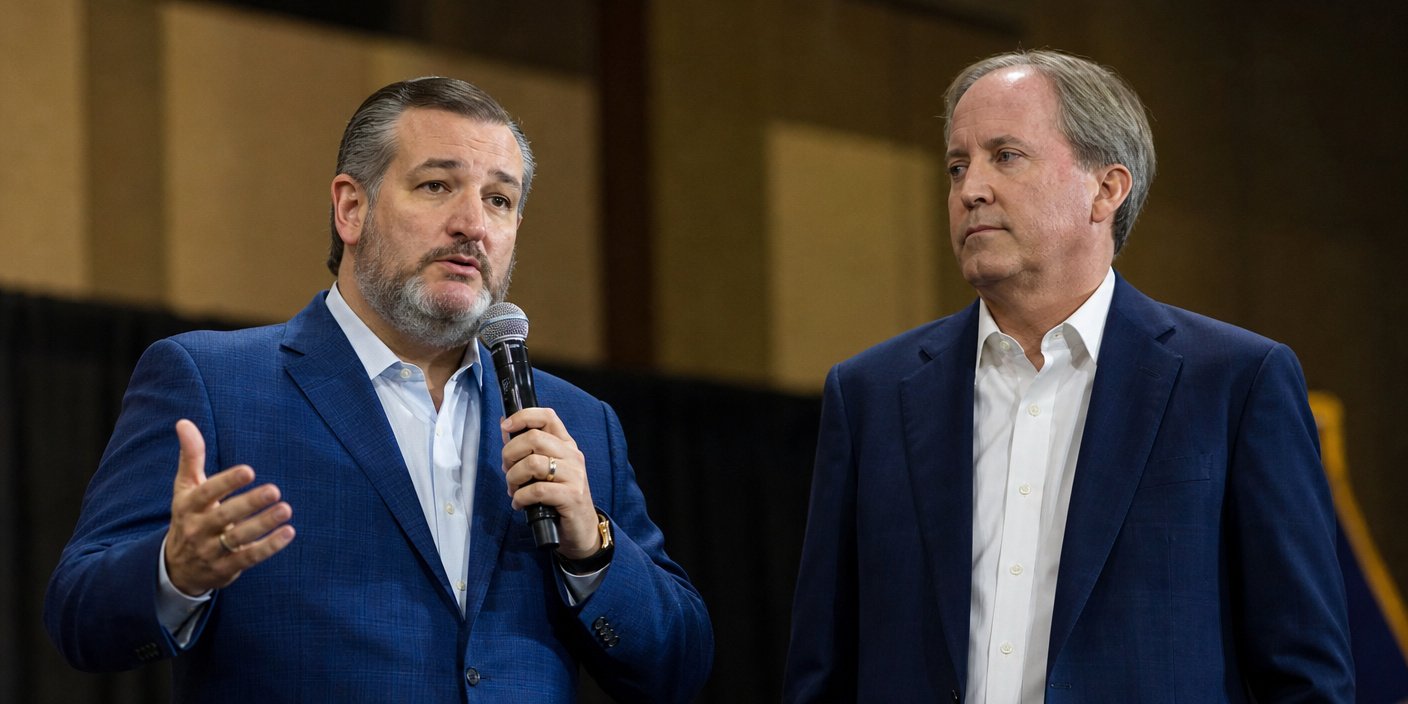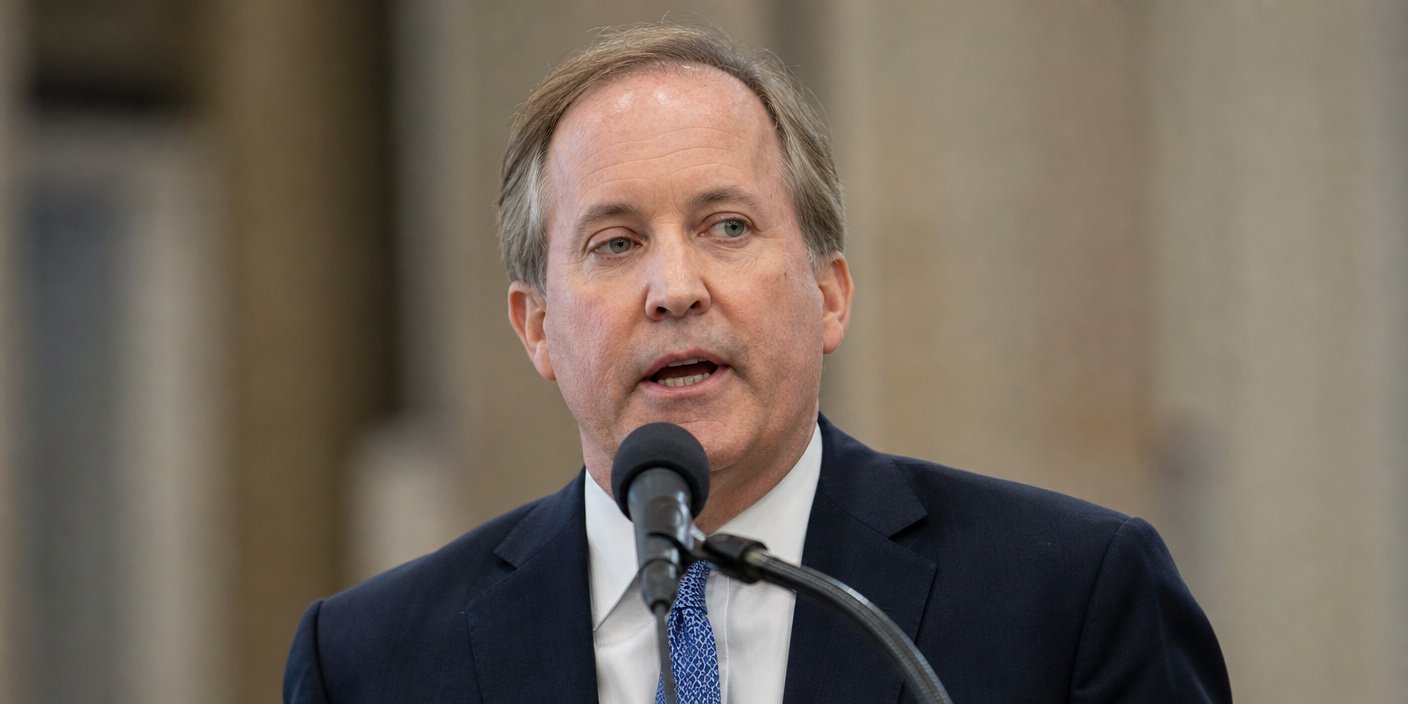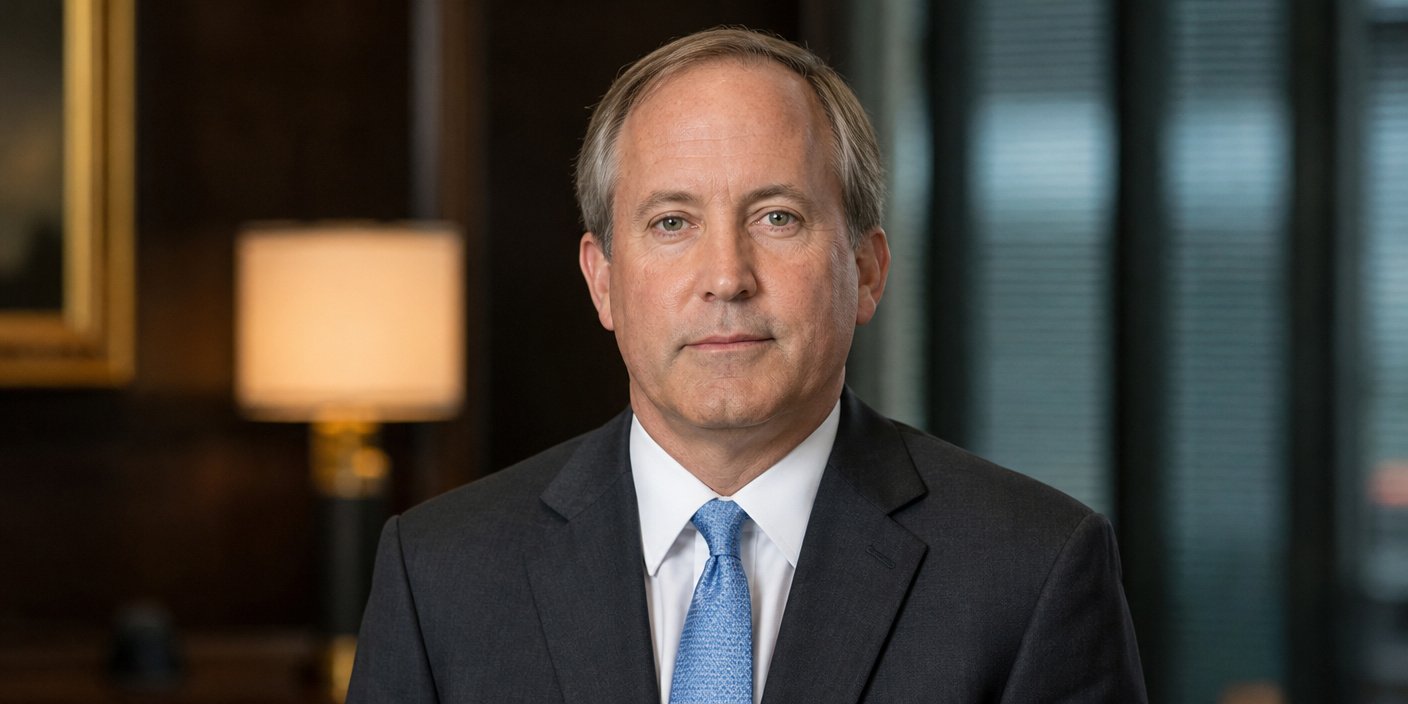

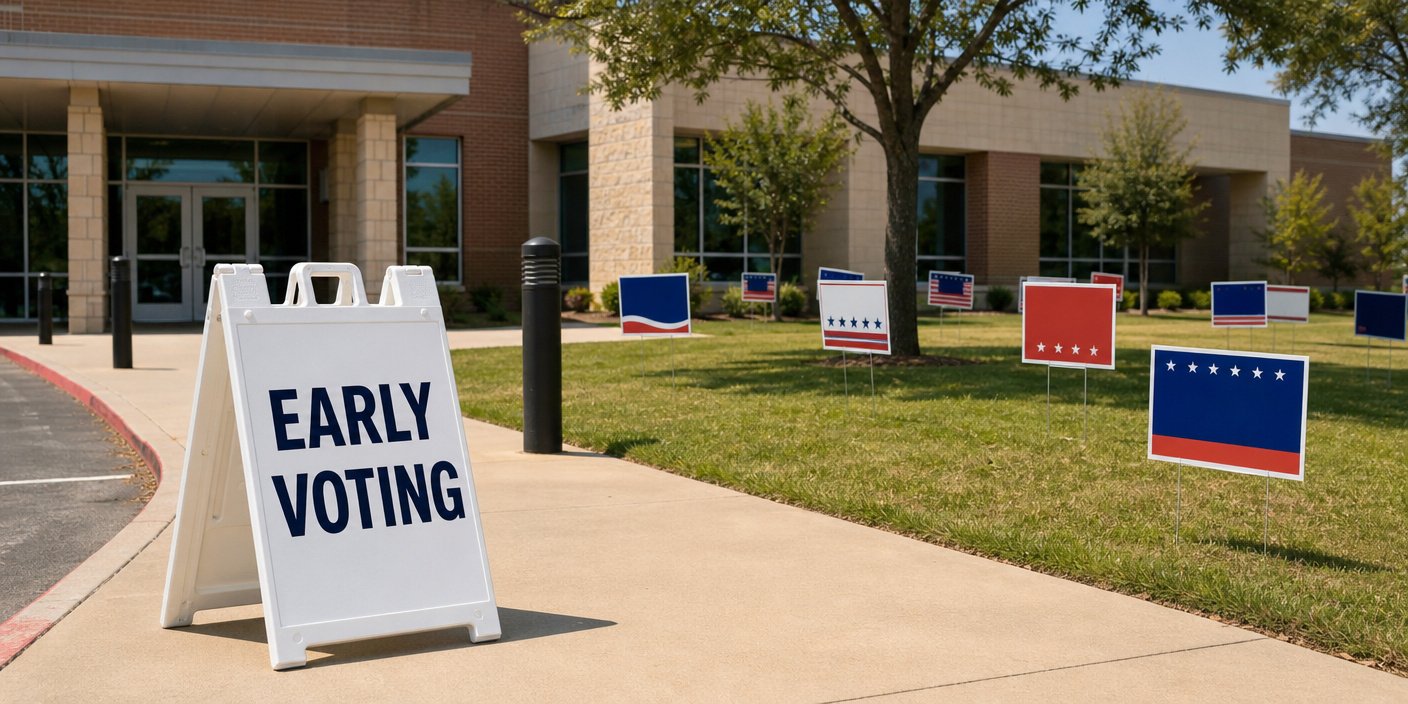
Early voting has officially commenced across Texas, yet the political energy is undeniably concentrated in one specific location: Tarrant County. Serving as the state’s ultimate political bellwether, Tarrant County has become the primary theater of operations for the 2026 election cycle. As candidates from both sides of the aisle—including Governor Greg Abbott, Attorney General Ken Paxton, State Representative James Talarico, and State Representative Gina Hinojosa—intensify their ground game, the focus on this North Texas hub underscores a shifting reality in Texas politics. With the commencement of early voting, campaigns are no longer just asking for votes; they are fighting to define the future of the state’s suburban electorate.
Key Highlights
- The Bellwether Effect: Tarrant County has evolved from a reliably red stronghold into a highly contested battleground, making it the most accurate predictor of statewide election outcomes.
- High-Profile Convergence: Major statewide figures, including Greg Abbott, Ken Paxton, James Talarico, and Gina Hinojosa, are aggressively courting Tarrant voters to build momentum for the broader 2026 strategy.
- Early Voting as Data: Campaigns are leveraging real-time early voting numbers in Tarrant to calibrate their resource allocation, media buys, and get-out-the-vote efforts across the state.
- Suburban Pivot: The race is defined by a battle for the suburban vote, where demographic shifts and economic policy concerns are forcing candidates to tailor their messaging with unprecedented precision.
The Strategic Importance of Tarrant County in 2026
For decades, Tarrant County was viewed through a singular lens: a reliable Republican firewall for statewide candidates. However, the current election cycle has dismantled that assumption, replacing it with a complex, unpredictable, and high-stakes environment. Political analysts and campaign strategists now view Tarrant County not merely as a county to be won, but as the essential micro-climate for the entire state. The presence of heavyweight figures such as Governor Greg Abbott and Attorney General Ken Paxton indicates that the GOP is not taking the shifting demographics for granted. Conversely, the high-profile visits from rising Democratic voices like James Talarico and Gina Hinojosa demonstrate a belief that the county is genuinely up for grabs.
The Anatomy of the Suburban Battleground
The reason for this intensified focus is rooted in the suburban migration pattern. As urban centers like Dallas and Fort Worth continue to sprawl, the demographic makeup of Tarrant County has become significantly more diverse. This diversification has brought a new array of voter priorities to the forefront, ranging from education policy and property tax relief to economic infrastructure and healthcare access. When statewide candidates descend upon the region, they are effectively running a national-level campaign within the borders of one county. They understand that the suburban vote here—specifically the independent-leaning voter—often sets the tone for the rest of the state. If a candidate cannot command the respect and interest of the Tarrant County electorate, their path to a statewide victory becomes exponentially steeper.
Analyzing the Candidates’ Objectives
The motivations for the political elite visiting Tarrant are multifaceted. For incumbents like Abbott and Paxton, the goal is retention of the base while attempting to prevent erosion in fast-growing suburbs. Their messaging often emphasizes statewide stability, economic growth, and the protection of traditional Texan values. This is a defensive, yet aggressive, posture designed to reassure hesitant voters.
On the other hand, figures like Talarico and Hinojosa are utilizing their presence in Tarrant County to capitalize on a progressive energy that has been building over the last few cycles. Their strategy focuses on highlighting gaps in state leadership, particularly concerning public education funding and social issues. By bringing the debate directly to the voters in Tarrant, they are attempting to convert latent dissatisfaction into active, early-voting turnout. The contrast between these two approaches creates a dynamic, high-pressure environment that forces every campaign to operate at peak efficiency.
The Economic and Historical Context
Historically, Tarrant County’s economic vitality has been tied to aviation, defense, and manufacturing—industries that traditionally align with a conservative fiscal policy. However, the new influx of tech workers and corporate relocations to the DFW Metroplex has introduced a new variable. These newer voters are often more socially moderate and fiscally fluid. This economic friction is exactly what the 2026 candidates are trying to navigate. The current election cycle is not just about political ideology; it is a referendum on how Texas manages the pressures of rapid growth. The candidates who successfully connect their platform to the economic reality of the Tarrant voter will likely define the policy direction of the state legislature for the next several years.
Looking Ahead: Why Early Voting Metrics Matter
As the early voting period continues, the raw numbers coming out of Tarrant County will serve as the first major indicators of the 2026 political climate. Campaigns are tracking these statistics with a fervor usually reserved for the final days of a general election. High turnout in specific precincts can signal a shift in enthusiasm, allowing campaigns to pivot their strategy mid-stream. If we see a surge in early voting, it validates the massive investments—both financial and temporal—that candidates like Abbott, Paxton, Talarico, and Hinojosa are making. Ultimately, this battleground status is not a fleeting trend; it is the new standard for Texas elections.
FAQ: People Also Ask
Why is Tarrant County considered a battleground in Texas?
Tarrant County is the most populous county in Texas that regularly fluctuates between voting for Republican and Democratic candidates in statewide elections, making it a critical bellwether for the state’s overall political direction.
What makes early voting in Tarrant County significant for the 2026 election?
Early voting numbers provide campaigns with immediate data on voter turnout and demographic engagement. Tracking this data helps candidates adjust their advertising, messaging, and physical campaign presence in real-time.
How does the suburban vote impact candidates like Abbott and Talarico?
The suburban vote is often the decider in modern Texas politics. Candidates must appeal to the independent, moderate suburban voter who prioritizes economic issues and quality of life, often forcing candidates to bridge the divide between their base and the general electorate.
What are the key themes being debated in Tarrant County?
Key themes include property tax relief, public education funding, economic infrastructure, and the general direction of state-level oversight in rapidly growing metropolitan areas.