
The Current Legal Standoff
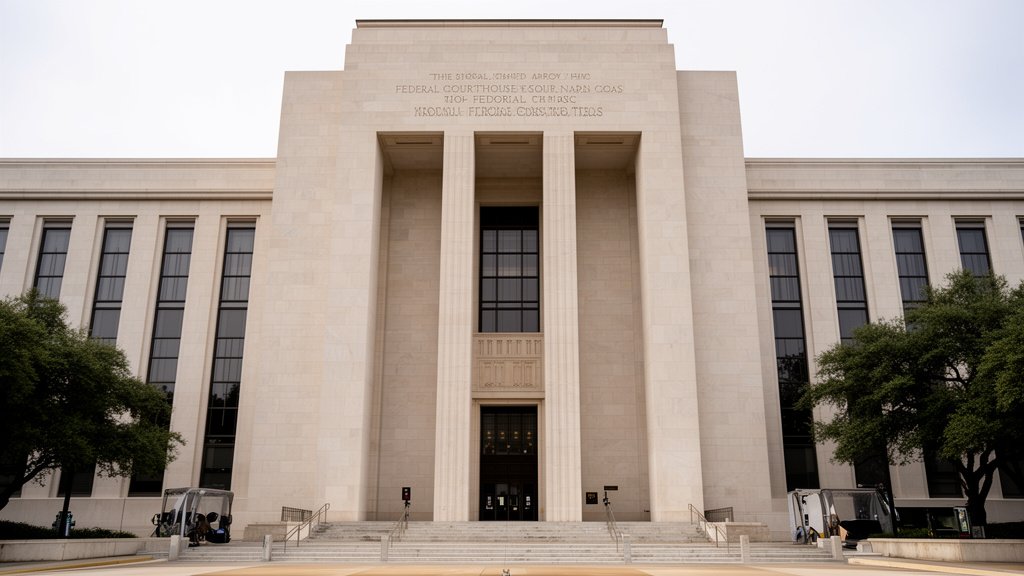
In a landmark hearing that could reshape the future of child welfare in the United States, U.S. District Judge Janis Graham Jack is currently presiding over a multi-day proceeding to evaluate Texas’s bid to terminate federal oversight of its foster care system. The state, represented by the Texas Department of Family and Protective Services (DFPS), is arguing that it has made sufficient, measurable improvements to warrant the end of court-ordered monitoring—a mandate that has been in place for the better part of two decades.
At the center of this legal battle is the landmark class-action lawsuit, M.D. v. Abbott. Originally filed in 2005, the suit alleges that the Texas foster care system violated the constitutional rights of children by exposing them to dangerous conditions, abuse, and neglect. After years of litigation, the state is now attempting to convince Judge Jack that the system has achieved the “exit criteria” required to function independently, without the intrusion of federal monitors who have documented persistent issues with caseworker turnover, placement shortages, and child safety protocols.
The Long Road of Litigation: 2005 to Present
The history of M.D. v. Abbott serves as a stark reminder of the complexity inherent in reforming massive state bureaucracies. In 2015, Judge Jack issued a scathing 255-page opinion, declaring the Texas foster care system “broken” and ruled that the state had failed to protect children in its permanent managing conservatorship.
Since that ruling, Texas has spent approximately $4.9 billion in its ongoing effort to comply with the court’s reform orders. This massive financial investment was intended to hire more staff, lower caseloads, increase funding for residential services, and stabilize the chaotic environment that children were experiencing while under state care. However, the path to compliance has been anything but linear. Throughout the oversight period, the federal monitors have filed numerous reports detailing ongoing systemic failures, ranging from children sleeping in offices to the use of unlicensed placements, often citing the state’s inability to keep children safe from physical and sexual abuse while in state custody.
The State’s Defense vs. The Reality on the Ground
The State of Texas contends that it has reached a turning point. Lawyers for the state argue that they have implemented new data systems, increased budgetary allocations, and fulfilled the core requirements of the consent decree. They characterize the continued oversight as a burdensome, unnecessary intervention that hinders local agency autonomy.
Conversely, plaintiffs’ attorneys and court-appointed monitors present a vastly different picture. They argue that behind the state’s claims of success lie deep-rooted cultural and operational deficiencies. Critics point to the high attrition rate of caseworkers, who are often overwhelmed by unmanageable caseloads, as a primary reason the system remains unstable. They argue that ending federal oversight now—before the system is truly “cured” of its institutional weaknesses—would be premature and could lead to a dangerous regression in child safety. The monitors argue that the state’s metrics are often manipulated or rely on flawed data collection, masking the true, perilous experience of children navigating the system.
The Economic and Human Stakes
This hearing is not merely a legal dispute; it is a profound examination of the economic and human costs of state failure. The $4.9 billion expenditure, while significant, is frequently cited by advocates as proof that money alone cannot fix structural issues. The core problem remains the placement of children in facilities that are unable to meet their medical or behavioral needs, forcing the state to utilize emergency placements or hotel stays, which are widely considered damaging to the psychological development of children in foster care.
If Judge Jack rules in favor of the state, it would signal a major victory for Texas lawmakers who have long sought to end what they view as “judicial overreach.” However, for the thousands of children currently in the system, the ruling represents the difference between a system that continues to be held accountable by federal standards and one that may quickly return to the pre-2005 status quo. The precedent set here will likely influence how other states manage their own child welfare systems, especially as federal oversight cases continue to rise in complexity across the nation.
Looking Ahead: Will Oversight End?
As the hearing continues, the focus shifts to the specific “exit criteria” metrics. For Texas to prevail, it must demonstrate not only that it has policies in place, but that those policies are consistently effective in protecting children. Judge Jack has shown in past rulings that she is unwilling to yield to political pressure or superficial fixes. If the evidence shows that the state still struggles with the fundamental duty of care, the federal oversight will likely remain in place. The next few weeks of testimony and evidence presentation will be critical in determining whether Texas enters a new era of self-governance or remains under the watchful eye of the federal court.
FAQ: People Also Ask
1. What is the core issue in M.D. v. Abbott?
The lawsuit alleges that the Texas foster care system fails to protect children in its custody, violating their constitutional rights. Key complaints include long-term harm, physical and sexual abuse, and excessive turnover among caseworkers.
2. How long has Texas been under federal oversight?
Texas has been under federal court oversight for roughly 15 years, starting in earnest after Judge Janis Graham Jack’s 2015 ruling that declared the system unconstitutional and broken.
3. What does the state of Texas want?
The state is seeking to dissolve the federal oversight and consent decree, arguing that they have invested $4.9 billion in reforms, met the required exit criteria, and are capable of managing the system without federal court intervention.
4. What are the ‘exit criteria’?
These are specific, court-mandated benchmarks that the Texas Department of Family and Protective Services (DFPS) must achieve to prove the system is safe and stable enough to function without ongoing federal monitoring.