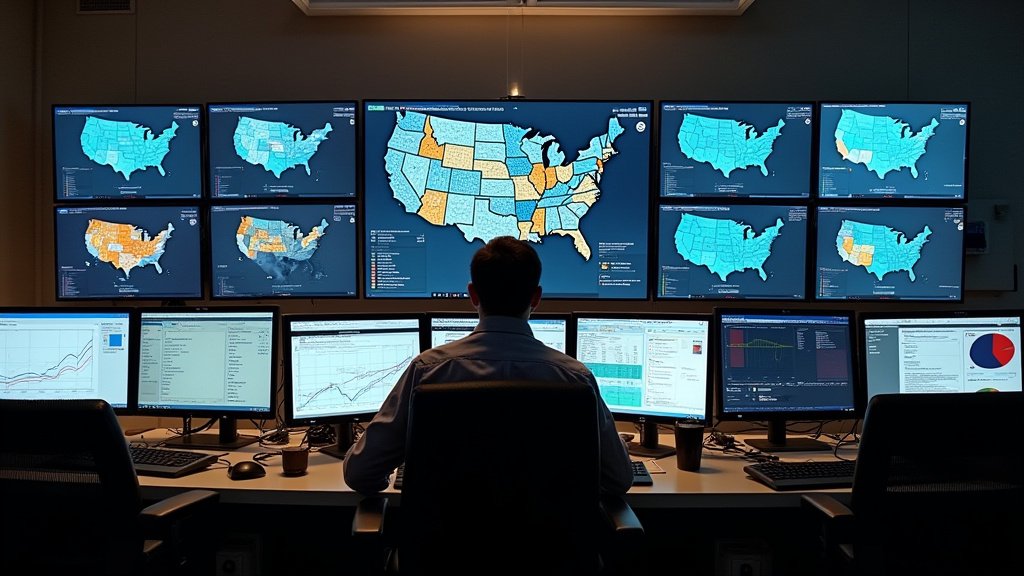


In a decisive operational success, Texas has achieved an unprecedented electoral milestone. Texas Secretary of State Robert Howden has officially confirmed that 19,041,684 voters are now registered for the upcoming November 3 midterm elections. This surge in registration represents not just a raw numerical increase over previous cycles, but the successful culmination of a massive logistical effort to clear a persistent administrative backlog that had previously threatened to obscure voter eligibility status across the state.
The Operational Success: Clearing the Backlog
For months, the Texas Secretary of State’s office faced mounting pressure to ensure that the voter registration database was both accurate and up-to-date. The backlog, which arose from a combination of high application volume and archaic data processing systems, had become a point of contention among civic groups and election integrity advocates. By mobilizing additional technical resources and streamlining the verification protocols within the Texas Election Code framework, the office successfully processed the final pending applications, bringing the state’s total registry to the historic figure of 19,041,684. This clearance is critical; it ensures that every eligible Texan who applied before the deadline will appear on the rolls on November 3, minimizing confusion at polling locations and reducing the need for provisional ballots.
Analyzing the Scale: What 19 Million Means for Texas
Reaching the 19 million mark is a testament to the sheer scale of democratic participation in the Lone Star State. To put this figure into perspective, this record-breaking registration number underscores the rapid demographic and urban expansion Texas has experienced over the last decade. As the state’s population continues to trend upward, the voter rolls have struggled to keep pace until now. This influx of registered voters suggests that civic engagement is at an all-time high, driven by both competitive political landscapes and simplified digital registration portals that have lowered the barrier to entry for first-time voters.
The Future of Electoral Infrastructure
The successful resolution of the registration backlog serves as a stress test for Texas’s electoral infrastructure. With nearly 19.1 million registered voters, the administrative burden on county election officials on November 3 will be substantial. The Secretary of State’s office has emphasized that the focus now shifts from registration to accessibility. By stabilizing the database, the state has provided a clearer “source of truth” for county registrars, which is essential for managing the flow of voters in high-density urban centers like Dallas, Houston, and Austin. The integration of improved database management software and updated cybersecurity protocols suggests a shift toward a more modern, responsive electoral system—a necessary evolution for a state of this magnitude.
Implications for the November 3 Midterms
With the registration numbers finalized and the backlog cleared, the state is poised for a high-turnout event. Political analysts suggest that the sheer size of the registered electorate creates a more unpredictable environment for political campaigns. When the electorate expands by such a significant margin, traditional turnout models often fail to account for the participation of new, unregistered, or historically intermittent voters. For the November 3 midterms, this means that both major parties must prepare for a landscape where the “ground game”—the effort to turn out these 19 million registered voters—becomes the primary determinant of victory. The focus on ballot access, fueled by the removal of administrative hurdles, suggests that the state is prioritizing a “no-excuse” approach to participation, potentially setting the stage for record-breaking turnout percentages as well.