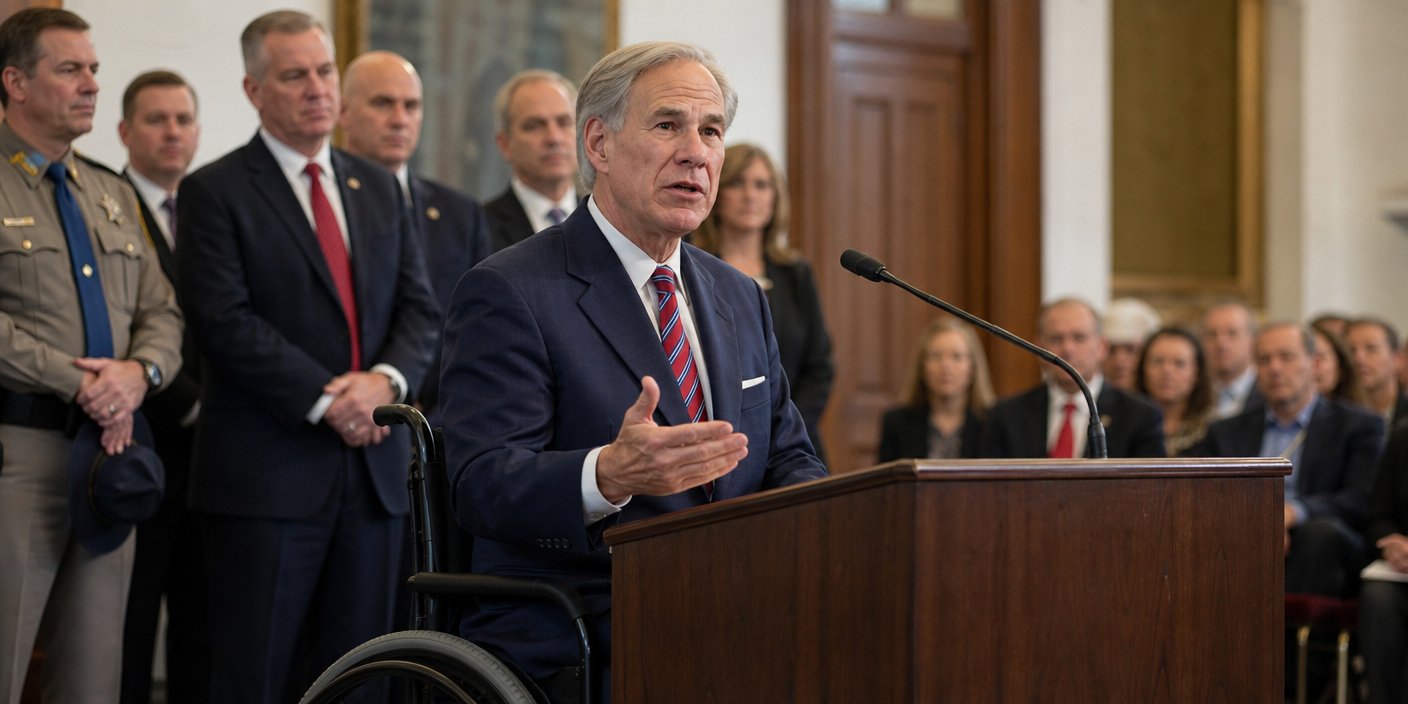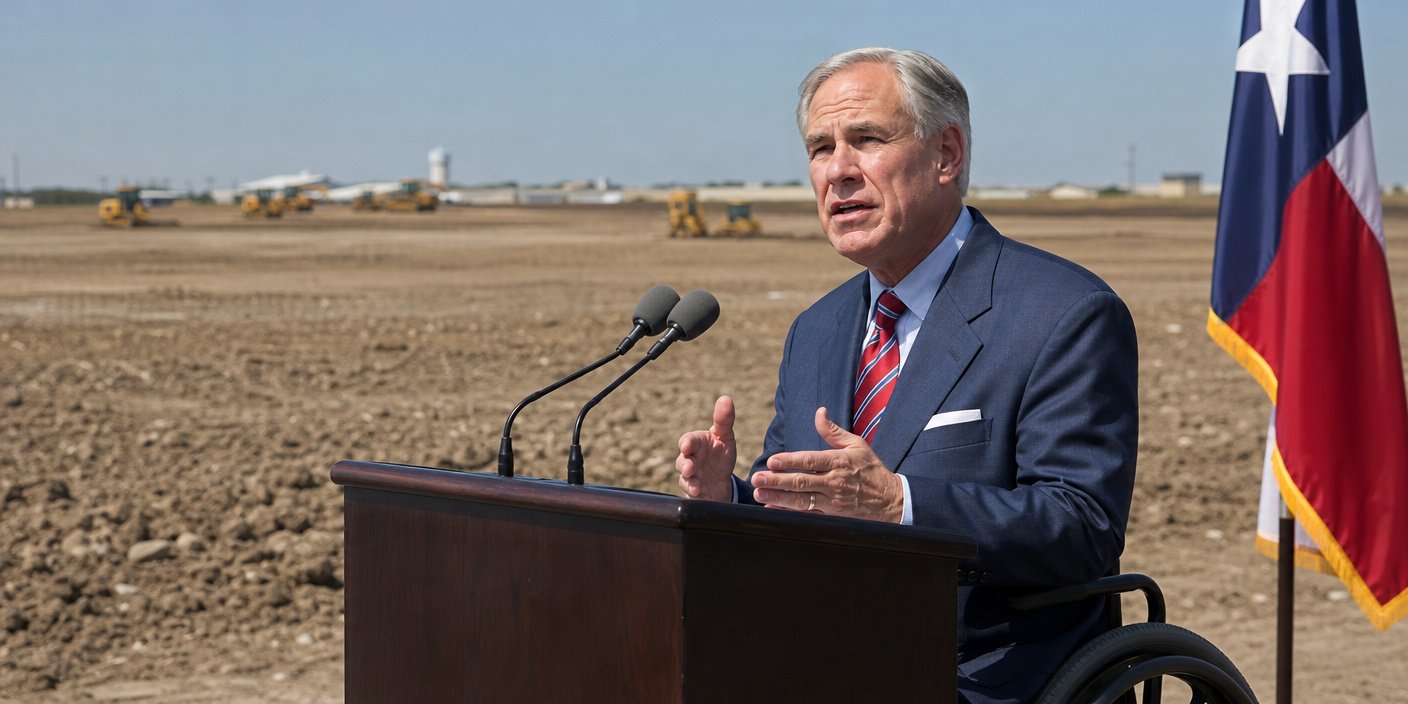

Governor Greg Abbott has secured approximately $9 million in campaign donations from donors tied to the data center industry, according to a recent analysis by The Texas Tribune. This substantial fundraising haul arrives at a critical juncture for the Lone Star State, where the rapid expansion of artificial intelligence and cloud computing infrastructure is placing unprecedented pressure on the Electric Reliability Council of Texas (ERCOT) grid. As lawmakers and regulators grapple with how to balance economic development with the reliability of the state’s power supply, the financial connection between the Governor’s office and this high-consumption industry has become a focal point of public discourse.
Key Highlights
- Significant Financial Ties: Governor Greg Abbott has received roughly $9 million in contributions from individuals and entities associated with the data center industry.
- The Regulatory Tension: The donations coincide with increasing legislative and public pressure to regulate the energy usage of data centers as demand on the ERCOT grid intensifies.
- Grid Reliability Concerns: Texas is currently navigating a period of explosive growth in electricity demand, with data centers identified as a major contributor to rising peak-load forecasts.
- Industry Influence: The analysis highlights how major players in the tech and data infrastructure space are actively aligning their political contributions with state leaders to secure favorable economic environments.
The Digital Gold Rush: Abbott’s Campaign and the Texas Grid
The symbiotic relationship between Texas’s economic incentives and the surging data center industry has transformed the state into a global hub for technological infrastructure. However, this growth trajectory is not without friction. As major technology companies and data facility operators pour billions into land and infrastructure across the state, they are also pouring millions into political campaign coffers. The $9 million figure identified in the Texas Tribune analysis underscores the financial scale at which the data center industry is engaging with state leadership, specifically Governor Greg Abbott.
The Mechanics of Influence
The fundraising analysis reveals a pattern of contributions originating from executives, lobbyists, and investors deeply embedded in the data center and AI development ecosystem. This industry has capitalized on Texas’s business-friendly climate, low regulatory barriers, and existing energy market structures. From a political standpoint, these donations are often viewed as a strategic investment to ensure continued support for tax incentives and the development of energy infrastructure that can accommodate high-density computing needs. For opponents of this trend, however, the financial alignment suggests a potential conflict of interest, particularly when the state is tasked with overseeing the same companies it relies on for economic growth.
ERCOT and the Capacity Conundrum
The core tension lies in the physical limits of the ERCOT grid. Data centers are notoriously energy-intensive, requiring 24/7 power that can strain local and state utility networks. As Texas faces repeated tests regarding the reliability of its power grid during extreme weather events, the influx of massive data centers has prompted calls for stricter oversight. Critics argue that the state should prioritize residential stability and industrial efficiency before incentivizing facilities that consume power on the scale of entire small cities. The $9 million in donations complicates this narrative, as it frames the regulatory debate not just as a policy disagreement, but as a potential battle between industrial interests and consumer grid stability.
Balancing Growth and Infrastructure
The political challenge for the Governor’s office is twofold: maintaining the momentum of the “Texas Miracle”—which relies heavily on attracting big tech investment—and ensuring that the infrastructure remains resilient. The data center boom is not merely about server racks; it is about securing a competitive edge in the global AI race. Yet, as the costs of electricity potentially rise due to increased demand, the optics of having significant industry funding behind the state’s chief executive could influence the legislative appetite for utility reform. Whether this funding will affect future regulations—such as capping data center energy load or mandating on-site generation—remains the central question for political observers in Austin.
FAQ: People Also Ask
1. Why are data centers such a hot topic in Texas politics?
Data centers are massive consumers of electricity. Their rapid expansion, driven by the AI boom, is creating significant demand on the ERCOT grid, leading to concerns about power reliability, potential price increases for retail customers, and the need for new infrastructure investment.
2. What does the Texas Tribune analysis specifically reveal about these donations?
The analysis details that donors linked to the data center industry—including executives, developers, and affiliated lobbyists—have collectively contributed approximately $9 million to Governor Greg Abbott’s campaign efforts.
3. Is there active legislation to regulate data center energy usage?
Yes, there is ongoing legislative debate regarding the grid. While Texas has historically prioritized a deregulated market to attract business, lawmakers are increasingly discussing measures to manage the interconnection and energy consumption of high-load facilities like data centers.
4. How does the ERCOT grid handle data center demand?
ERCOT is currently updating its long-term forecasts to account for the exponential growth in load from data centers. The challenge is balancing this new, constant demand with the intermittent nature of renewable energy sources and the aging infrastructure of the existing thermal power plants.