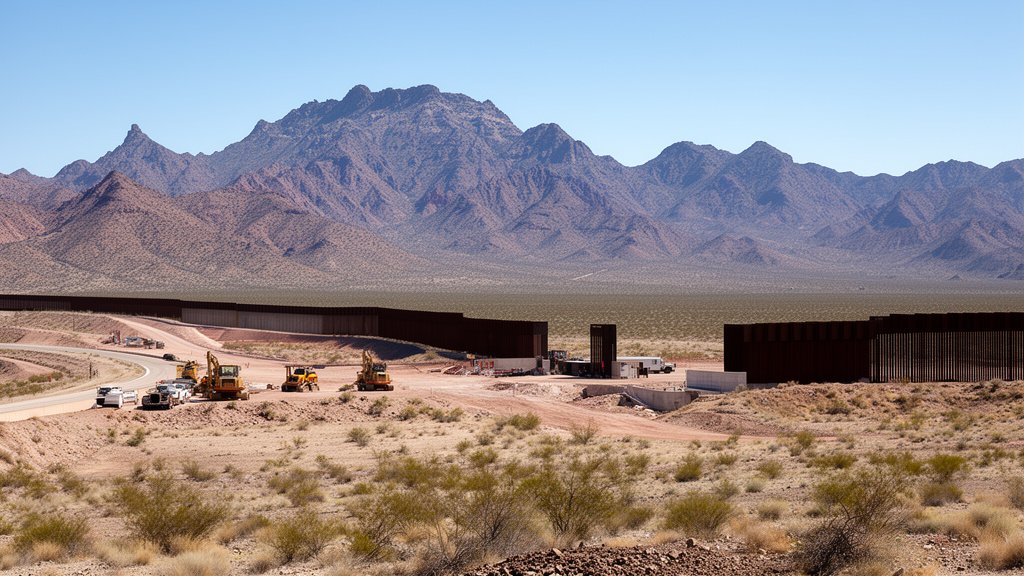

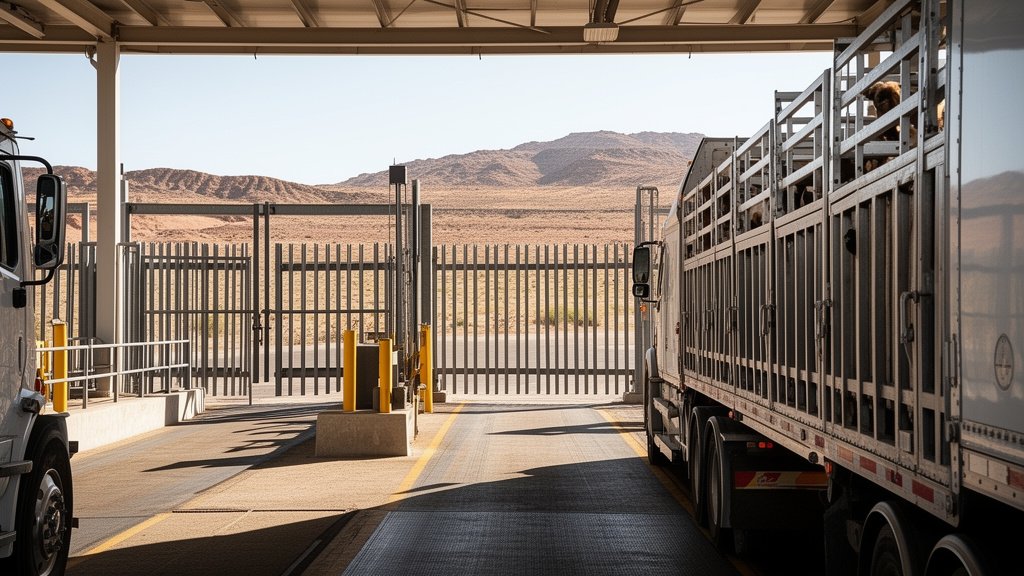
The reopening of the southern border at Douglas, Arizona, to Mexican cattle imports, following temporary closures aimed at curbing the New World Screwworm, is being hailed by trade officials as a return to normalcy. However, a darker reality looms over the cattle pens. New reports from the Texas Public Policy Foundation (TPPF) suggest that the cross-border beef trade is increasingly compromised by sophisticated Mexican cartels. These criminal enterprises are not merely facilitating trade; they are allegedly embedding themselves into the very infrastructure of cattle ranching, using extortion, document fraud, and intimidation to control supply. For the American consumer, this means that every steak on the dinner table may now carry an invisible, cartel-imposed premium.
Key Highlights
- Supply Chain Infiltration: Mexican cartels have shifted from traditional smuggling to controlling legitimate supply chains, forcing ranchers to pay ‘protection’ taxes to move cattle.
- Regulatory Fraud: Systematic falsification of health and origin documents is allowing cartel-linked cattle to bypass strict U.S. biosecurity screenings.
- Consumer Price Inflation: The ‘protection tax’ levied by cartels increases the cost of production, which is subsequently passed down to American retailers and consumers.
- The Biosecurity Gap: Weakened oversight at border crossings allows for the potential re-introduction of the New World Screwworm and other livestock diseases into the U.S. herd.
The Shadow Economy of the Cattle Trade
For decades, the U.S. Department of Agriculture (USDA) and border authorities have focused on preventing the entry of pests like the New World Screwworm, a devastating parasite that can annihilate livestock herds. While these biosecurity measures have been historically effective, the TPPF report paints a concerning picture of how modern cartels are exploiting these very regulatory mechanisms. By seizing control of local ranches in northern Mexico, cartels are effectively operating as the primary gatekeepers of the beef supply.
The Economics of Extortion
In the regions where cartels hold significant influence, the cost of doing business has skyrocketed. Ranchers are routinely subjected to extortion, where payments are demanded for ‘protection’—essentially a tax levied by organized crime. This cost is not absorbed by the cartels; it is internalized by the producers. When these cattle reach the border, the added overhead—often hundreds of dollars per head—becomes part of the market price of the animal. As these cattle enter the U.S. processing market, the inflation is compounded at every step of the supply chain, from the feedlot to the supermarket shelf. This phenomenon contributes directly to the rising food costs that American households have struggled with over the past few years.
Falsified Documents and Regulatory Evasion
Perhaps more alarming than the economic impact is the erosion of regulatory integrity. The TPPF investigation highlights that cartels are now skilled in the art of bureaucratic subversion. By leveraging corrupted officials or forcing ranchers to sign off on falsified documentation, cartels can move cattle across the border that may not meet USDA health standards. This falsification is critical because it allows illicitly sourced or diseased animals to bypass the standard quarantine procedures designed to protect U.S. agriculture. If a crate of cattle is labeled with falsified origin documents, it circumvents the tracking systems that are the bedrock of our national biosecurity framework.
Biosecurity as a National Security Crisis
We must reframe the conversation around the New World Screwworm not just as an agricultural issue, but as a national security vulnerability. The screwworm is a biological threat capable of inflicting billions of dollars in damages to the U.S. cattle industry. When cartels prioritize the movement of cattle for profit over the health of the animals, they effectively weaponize the supply chain. If a single shipment of infested cattle enters the U.S. due to a cartel-brokered bypass of inspection protocols, the economic and biological consequences would be catastrophic for American agriculture. This is an intersection where organized crime meets a strategic threat to our domestic food security.
FAQ: People Also Ask
Q: How does cartel activity specifically raise beef prices in the U.S.?
A: Cartels demand ‘protection money’ from Mexican ranchers and exporters. This extortion cost is added to the total price of the cattle. By the time the beef reaches U.S. processing facilities and eventually retail stores, the cost is inflated to cover these illicit overheads.
Q: Is the New World Screwworm a major threat today?
A: Yes. The New World Screwworm is a flesh-eating parasite that can cause massive mortality rates in livestock. The recent border closure at Douglas, Arizona, was a direct response to this threat. The TPPF report suggests that cartel control of document issuance makes it harder for U.S. authorities to verify the health status of incoming cattle.
Q: What can the U.S. government do to stop this?
A: Policy experts suggest a combination of stricter vetting at the border, increased cooperation with Mexican law enforcement to dismantle cartel infrastructure at the source, and a complete overhaul of how trade documentation is verified to ensure origin and health status cannot be easily falsified by criminal syndicates.