
The intersection of federal funding and state-level immigration policy has created a complex legal environment in New York. While Governor Kathy Hochul has signed landmark legislation aimed at curbing local law enforcement’s cooperation with U.S. Immigration and Customs Enforcement (ICE), a parallel stream of federal money continues to facilitate the interaction between local sheriff’s offices and federal border authorities. At the center of this controversy is Operation Stonegarden, a Department of Homeland Security (DHS) grant program that remains a vital—and contentious—financial lifeline for law enforcement agencies across the state.
Key Highlights
- The Federal-Local Divide: Operation Stonegarden (OPSG) provides FEMA-administered grants to enhance coordination between local, tribal, and federal law enforcement agencies along the northern border.
- The Loophole: Because OPSG is classified as a border security initiative rather than an immigration enforcement program, it bypasses some state-level restrictions intended to limit local police from acting as federal immigration agents.
- Governor Hochul’s Position: Despite the Governor’s signature on laws restricting ICE collaboration, the federal nature of OPSG grants creates a jurisdictional conflict that the state administration has yet to fully decouple.
- Budget Dependencies: Many rural sheriff’s offices rely heavily on these federal grant funds for equipment, technology, and staffing, making a full withdrawal from the program financially difficult.
The Jurisdictional Conflict: Understanding Operation Stonegarden
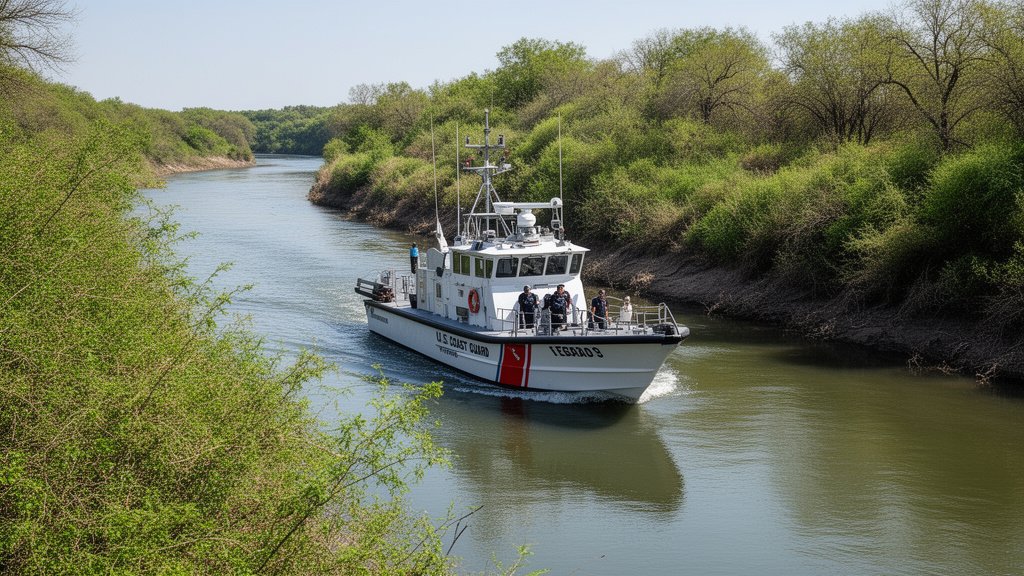
The fundamental friction in this ongoing debate lies in the distinction between federal border security and state-level immigration enforcement. Operation Stonegarden, established in the post-9/11 era by the Department of Homeland Security, was designed to surge resources to border regions. In New York, this funding enables local sheriffs to conduct patrols, purchase surveillance technology, and increase staffing levels in areas near the Canadian border.
Critically, the program operates under the auspices of FEMA grants. When a county sheriff accepts this funding, they often commit to closer cooperation with U.S. Border Patrol (USBP) agents. Critics and civil rights advocates argue that this integration effectively creates a pipeline where local police—who should be focused on community safety—become de facto extensions of federal immigration enforcement. Even if these officers are not explicitly handing individuals to ICE, their work with Border Patrol agents often leads to the detention and transfer of undocumented immigrants, effectively achieving the same policy outcome that state lawmakers sought to ban.
The Legislative Paradox
Governor Kathy Hochul’s administration has consistently positioned itself against the entanglement of local police and federal immigration authorities. Legislative efforts, such as the New York State ICE partnership ban, were designed to wall off local resources from federal immigration enforcement tasks. However, OPSG operates in a gray area. Because the funding originates from a federal border security mandate, proponents of the program argue it is necessary for regional security, regardless of the political climate in Albany. This creates a challenging contradiction: the state government aims to restrict immigration-related policing while federal authorities simultaneously fund the very infrastructure that facilitates it.
Economic Dependency and Administrative Realities
For many sheriff’s offices in New York’s northern counties, Operation Stonegarden is not merely a policy preference but a budgetary necessity. These departments often face severe funding limitations, and federal grants are frequently used to cover essential expenses that local tax bases cannot support.
When a sheriff’s department accepts OPSG funding, they are required to meet specific federal operational standards. This creates a “money-over-policy” dilemma. If a county were to withdraw from the program to align with state preferences, they would face an immediate shortfall in their operational budget. This economic leverage makes it difficult for local officials to pivot away from federal directives, even when those directives conflict with the spirit of the Governor’s state-level reforms.
Secondary Angles: The Future of the Northern Border
1. Historical Context: The Post-9/11 Shift
It is essential to recognize that OPSG was born out of the immediate security anxieties following the September 11, 2001, terrorist attacks. The program was never explicitly written to address modern immigration trends; it was built to bolster national security. This history explains why it is so difficult to disentangle today: the infrastructure is legally rigid and deeply entrenched in federal homeland security policy.
2. The Potential for Litigation
Legal experts suggest that as long as this funding remains available, it is only a matter of time before it faces a formal legal challenge. Civil rights groups are increasingly scrutinizing whether the overlap between OPSG activities and immigration enforcement constitutes a violation of New York’s state-level protections. A future lawsuit could force the courts to decide whether federal funding can override state-level policy restrictions.
3. Technological Expansion
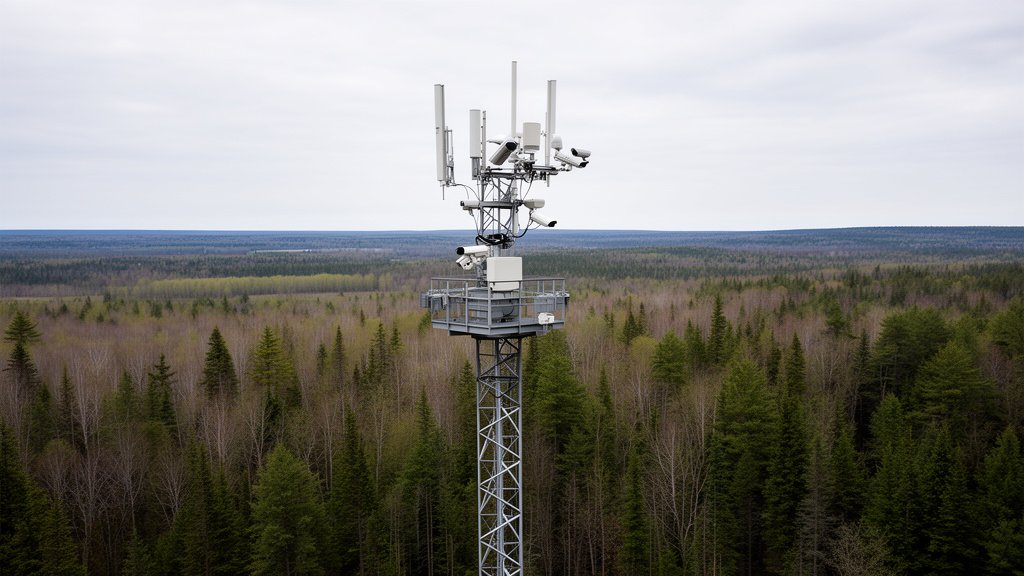
Beyond personnel, OPSG funding has fueled a massive increase in surveillance technology along the northern border. This includes high-resolution cameras, drones, and sensor arrays. This technological expansion is a secondary impact that operates quietly beneath the political headlines but has significant implications for privacy rights in rural New York.
FAQ: People Also Ask
Q: What is the primary purpose of Operation Stonegarden?
A: Operation Stonegarden is a federal grant program, managed by FEMA, intended to enhance cooperation between local law enforcement and federal agencies to secure the nation’s land and maritime borders.
Q: Does Governor Hochul support the participation of NY sheriffs in this program?
A: While Governor Hochul has championed legislation to separate local police from ICE, the federal nature of Stonegarden grants complicates the state’s oversight. The administration has generally prioritized state law, but the federal funding mechanism allows counties to maintain these partnerships independently.
Q: How does this program differ from ICE collaborations?
A: OPSG is technically a border security initiative involving U.S. Border Patrol. While it often leads to the detention of immigrants, it is distinct from specific ICE enforcement agreements, allowing local agencies to argue they are fulfilling border security missions rather than immigration detention tasks.
Q: Can New York counties opt out of the funding?
A: Yes, counties can choose not to apply for or accept the grants. However, doing so would result in the loss of federal funding, which many rural departments depend on for their day-to-day operations and equipment.