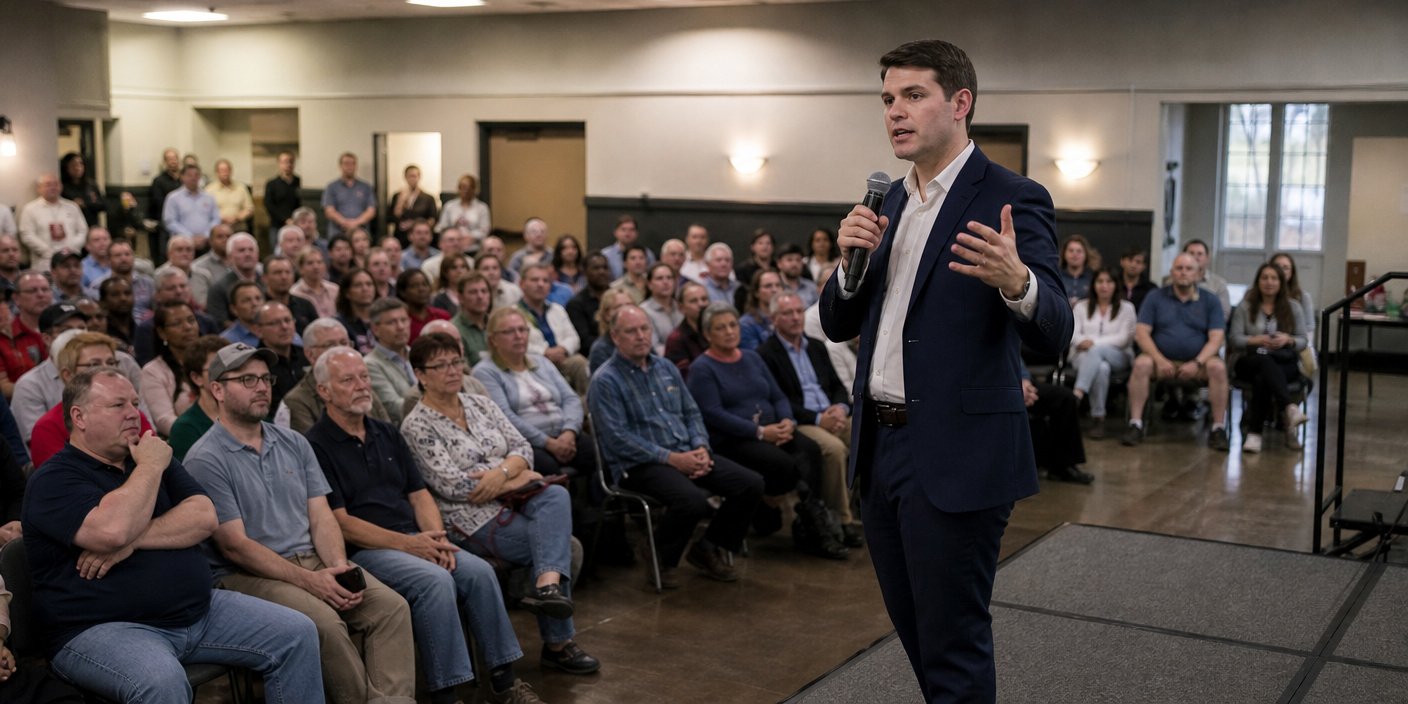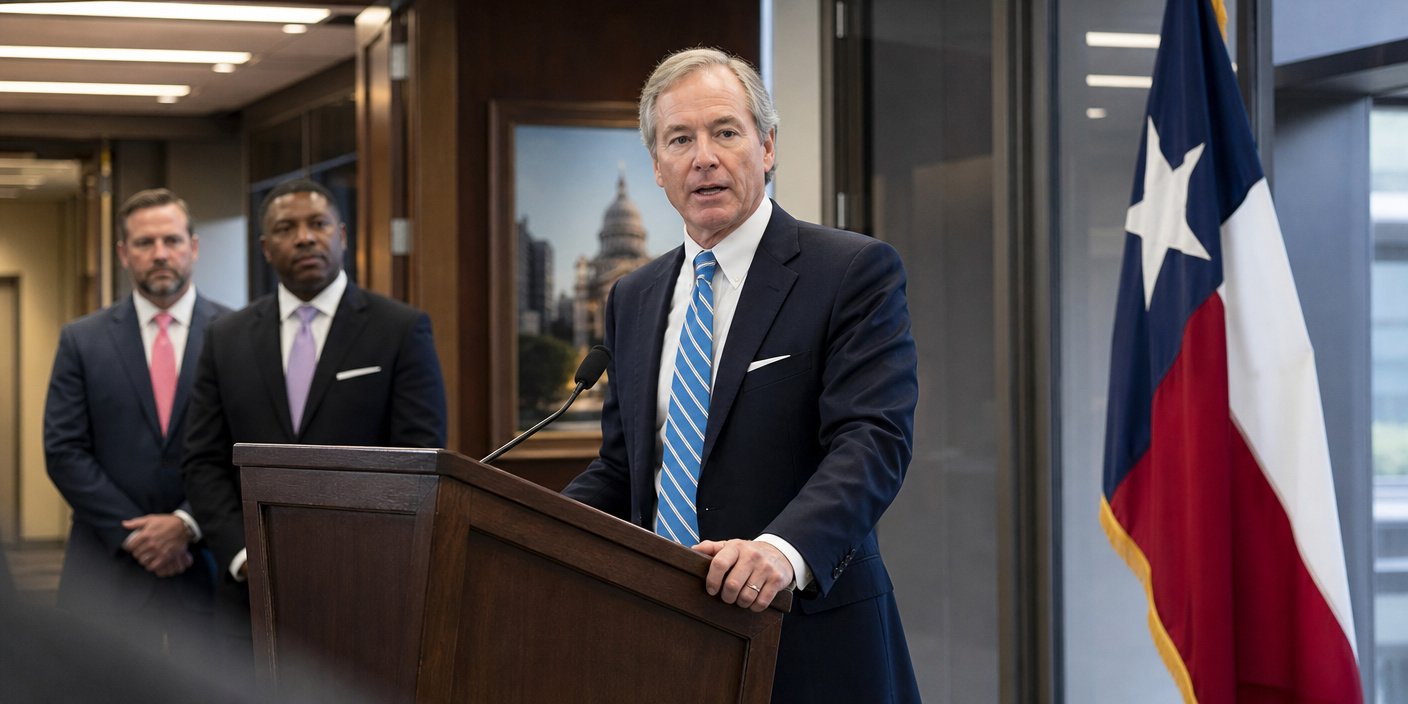

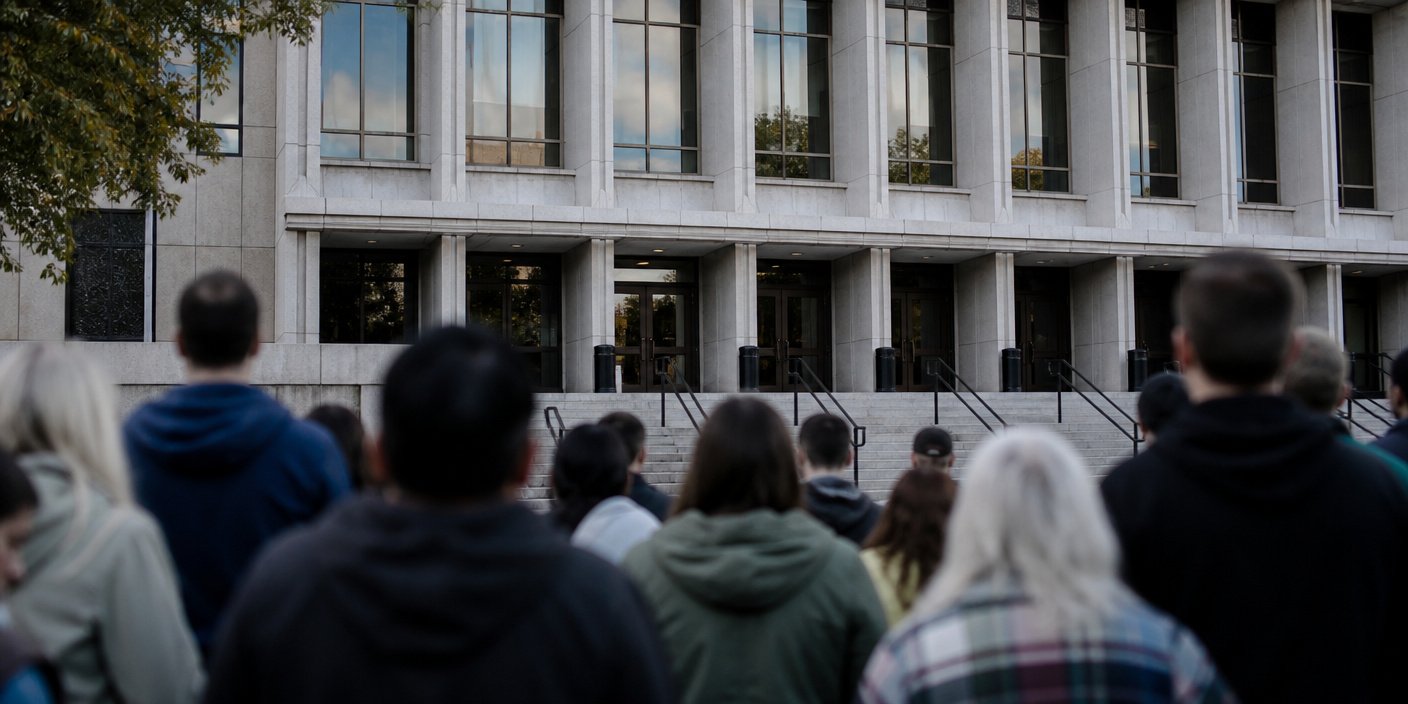
Tarrant County is currently the epicenter of a fierce political standoff as local election officials advance a controversial plan to significantly reduce the number of polling locations ahead of the upcoming November midterm elections. The decision, intended to streamline administrative operations, has instead triggered widespread public outcry and protests, with critics arguing the move creates an undue burden on voters. The timing of this restructuring has intensified the already volatile atmosphere surrounding the high-stakes Texas Senate race, pitting challenger James Talarico against incumbent Ken Paxton in a contest that has become a flashpoint for state politics.
Key Highlights
- Polling Site Reduction: Tarrant County officials are finalizing a proposal that would consolidate voting centers, citing budgetary efficiencies and staffing challenges.
- Voter Access Concerns: Voting rights advocates and protesters argue the cuts disproportionately impact minority and elderly populations, potentially depressing turnout.
- Senate Race Impact: The administrative battle has become a proxy for the broader conflict in the Texas Senate race between James Talarico and Ken Paxton.
- Public Outcry: Tarrant County residents have staged organized protests at county commission meetings, demanding that access remain a top priority over administrative convenience.
The Battle Over Ballot Access in Tarrant County
The controversy in Tarrant County centers on the balance between operational efficiency and the preservation of democratic access. As election administrators prepare to finalize the new map of polling locations, they have been met with a wall of opposition from civil rights organizations and local citizens who fear that fewer sites will lead to longer lines and decreased participation. Supporters of the reduction plan argue that centralizing operations into larger ‘Vote Centers’ will reduce the strain on election workers and improve security. However, this argument has done little to assuage the fears of those who believe that accessibility is the cornerstone of a fair election.
The Intersection of Local Policy and Statewide Politics
The Tarrant County polling site debate has become inextricably linked to the Texas Senate race, turning local logistical decisions into a national narrative. James Talarico, running on a platform emphasizing voter accessibility and expanding franchise rights, has framed the consolidation effort as an attempt to restrict the ballot. Conversely, Ken Paxton has maintained a focus on election integrity and security, backing moves that streamline the process to ensure auditability. This ideological divide mirrors the broader national discourse on election management, where the definition of ‘secure’ often clashes with the definition of ‘accessible.’
As the election approaches, the political rhetoric has sharpened. Supporters of the consolidation effort argue that it reflects a necessary modernization of the electoral process. They point to logistical difficulties, including the recruitment of poll workers and the securing of facilities, as primary drivers for the change. However, critics, including various protest groups, emphasize that in a county as large and diverse as Tarrant, geographic proximity to polling stations is a primary determinant of whether a citizen can cast their ballot.
Analyzing the Demographic Impact
A critical secondary angle of this controversy is the demographic distribution of the planned cuts. Historical data on election turnout in Tarrant County suggests that in areas with high population density and lower average income, the closure of neighborhood polling sites historically leads to a measurable drop in voter participation. While the county officials insist that the new ‘Vote Centers’ are placed in high-traffic areas, skeptics argue that these centers are often inaccessible to those reliant on public transportation. This has raised concerns about the potential for ‘voter disenfranchisement by geography,’ a claim that both the Talarico campaign and various advocacy groups have leveraged in their public messaging.
The Future of Election Administration
Looking beyond the current cycle, the situation in Tarrant County offers a glimpse into the future of election administration in Texas. As urban and suburban counties across the state continue to grapple with rapid population growth and shifting political dynamics, the ability to manage elections effectively while maintaining public trust will become increasingly difficult. The current protests are not just about the number of sites; they are about the transparency of the decision-making process itself. Whether this conflict leads to a permanent shift in how Tarrant County manages elections or forces a retreat to older, more decentralized models remains to be seen. What is clear, however, is that the outcome will have profound implications for the Talarico-Paxton race and for future elections throughout the region.
FAQ: People Also Ask
1. Why is Tarrant County reducing the number of polling sites?
County officials cite the need for administrative efficiency, staffing shortages, and a move toward larger ‘Vote Centers’ as the primary reasons for the consolidation plan. They argue this will make elections easier to manage and more secure.
2. How does this affect the Senate race between James Talarico and Ken Paxton?
The issue has become a political wedge. James Talarico has positioned his campaign as a defender of voter access, using the controversy to highlight potential disenfranchisement, while Ken Paxton’s supporters emphasize the need for rigorous election security and streamlined administration.
3. Is there a legal avenue for stopping these cuts?
Yes, voting rights groups have frequently utilized state and federal law to challenge polling site closures. Protesters are currently exploring potential litigation to ensure that site distribution complies with the Voting Rights Act and other applicable state regulations regarding voter access.
4. Will the number of polling sites change before the election?
As protests continue, there is significant pressure on the county commission to reconsider the plan or provide additional mobile voting units to offset the loss of permanent sites. No final decision has been universally accepted as of this reporting.