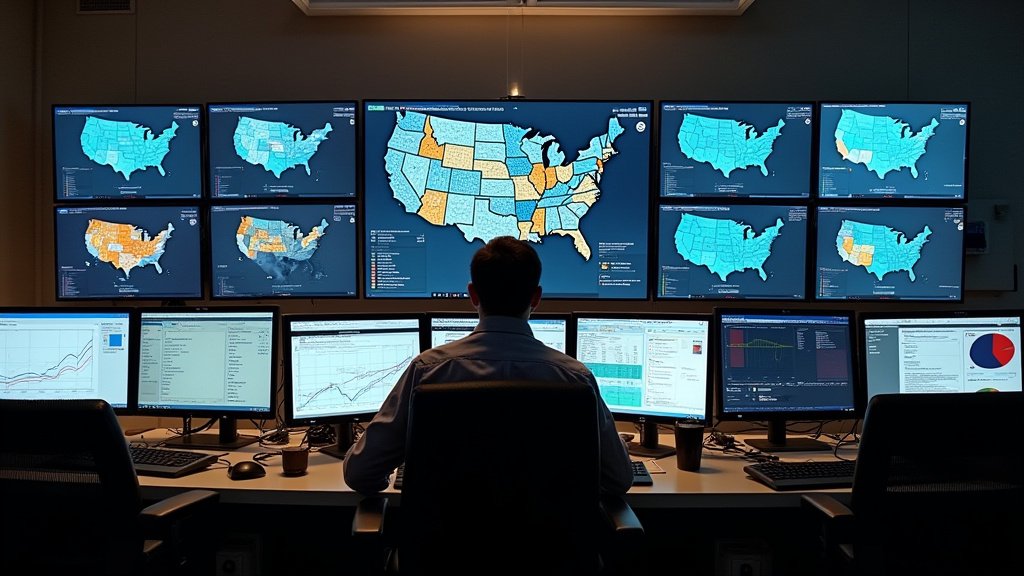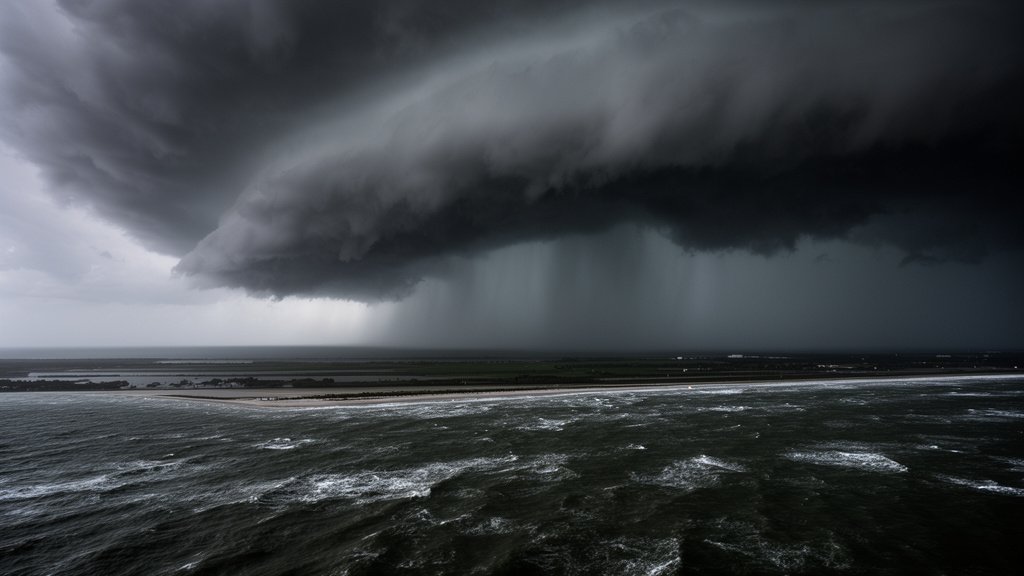

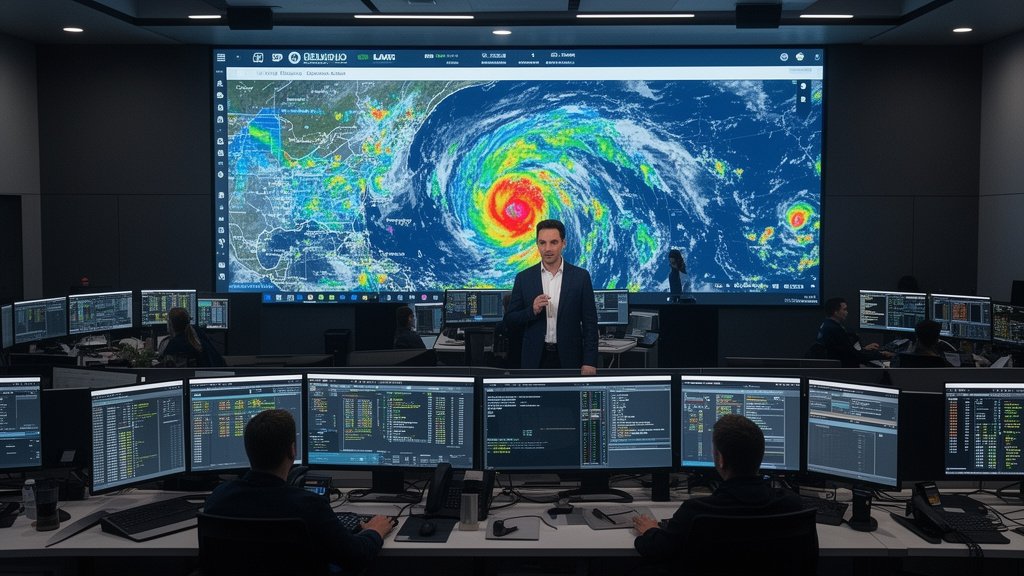
CenterPoint Energy has officially activated its Emergency Operations Center (EOC) as the utility provider prepares for the potential arrival of Invest 97L. Meteorological forecasts indicate that the system is tracking toward Southeast Texas, threatening to deliver heavy rainfall and sustained gusty winds as early as Tuesday. By activating the EOC, CenterPoint has shifted its regional operations into a high-readiness state, ensuring that resources, personnel, and grid stabilization protocols are aligned to manage potential service disruptions.
Key Highlights
- EOC Activation: CenterPoint Energy has formally triggered its emergency management protocols, centralizing decision-making and crew dispatching capabilities to respond to the weather event.
- Weather Threat: Invest 97L is expected to bring localized heavy rainfall and high winds to Southeast Texas starting Tuesday, necessitating grid vigilance.
- Grid Readiness: The utility has implemented precautionary staging for line crews and support staff to ensure rapid response times should the system cause power outages.
- Public Safety Focus: Customers are advised to monitor official channels and prepare for potential weather-related service interruptions.
Strengthening the Grid: Operational Response to Invest 97L
The activation of the Emergency Operations Center represents a critical escalation in CenterPoint Energy’s operational readiness. This move centralizes the company’s response strategy, allowing for real-time coordination between meteorologists, grid engineers, and field crews. With the potential path of Invest 97L targeting the Gulf Coast, the primary objective is the mitigation of prolonged outages through proactive staging and preemptive infrastructure monitoring.
Meteorological Volatility and Grid Vulnerability
Invest 97L has drawn close attention from the National Hurricane Center (NHC) and local utilities due to its unpredictable development track. For Southeast Texas, the primary risks associated with this type of system include flash flooding and wind-driven debris. In the context of a utility grid, these environmental factors are the leading cause of transmission failure. When heavy rain saturates the ground, the stability of utility poles is compromised, and high-velocity winds can force tree limbs into power lines—a persistent challenge in the heavily forested regions surrounding the greater Houston area.
Strategic Resource Allocation and Response
The EOC serves as the nerve center for managing these physical challenges. Upon activation, the utility begins the deployment of ‘storm hardening’ logistics. This involves repositioning repair crews, specialized utility vehicles, and critical materials—such as transformers and conductors—closer to the predicted path of the storm. By shortening the ‘last mile’ travel distance, CenterPoint reduces the time required for mobilization once landfall or the first wave of severe weather begins. Furthermore, internal communication lines are prioritized to ensure that data from the grid’s smart-meter network flows seamlessly to the control room, allowing for rapid identification of specific outage locations.
Historical Context and Modern Resilience
Historically, the Southeast Texas grid has faced significant testing during tropical weather events. The reliance on the EOC structure is a lesson learned from past hurricanes and tropical storms, where decentralized responses often resulted in delays. Modern grid management now integrates predictive analytics, utilizing meteorological data to ‘game out’ potential impact scenarios before the first drop of rain falls. This shift from reactive repair to proactive preparation is a foundational element of contemporary utility management.
Beyond immediate storm readiness, this activation underscores a broader focus on grid hardening. CenterPoint’s current strategy includes intensified vegetation management and the elevation of critical equipment in flood-prone zones. While the immediate goal is to weather the impacts of Invest 97L, the long-term operational framework is designed to prevent systemic failures that could lead to cascading power loss across the region.
Consumer Preparedness and Next Steps
While the utility manages the technical aspect of the grid, residents are urged to maintain their own readiness plans. The utility advises homeowners to secure loose outdoor objects that could become projectiles in high winds and to ensure that emergency kits, including backup power sources for critical medical equipment, are fully stocked. Because the EOC activation signifies a high-alert status, customers should expect more frequent updates from the utility’s portal and social media channels regarding service status.
FAQ: People Also Ask
1. What does it mean when CenterPoint activates the Emergency Operations Center?
It means the company has elevated its response posture. This creates a centralized command structure where meteorologists, grid operators, and logistics teams work in a single environment to monitor the storm, anticipate damage, and mobilize crews before issues escalate.
2. How does Invest 97L impact the power grid?
The primary threats are heavy rainfall, which leads to soil saturation (causing trees to fall on lines), and gusty winds, which can damage transmission infrastructure. The EOC monitors these specific threats to deploy crews to the most likely damage zones.
3. How can residents report power outages during this weather event?
Residents should use the CenterPoint Energy ‘Power Alert Service’ or the company’s online outage tracker. During high-volume events, these digital tools are the most efficient way to communicate with the utility’s automated dispatch systems.
4. Should I prepare for a prolonged power outage?
Yes. While utility crews aim to restore power as quickly as possible, weather conditions may make it unsafe for crews to work until the peak winds subside. Residents should be prepared for potential 24-48 hour service interruptions if the storm causes significant infrastructure damage.