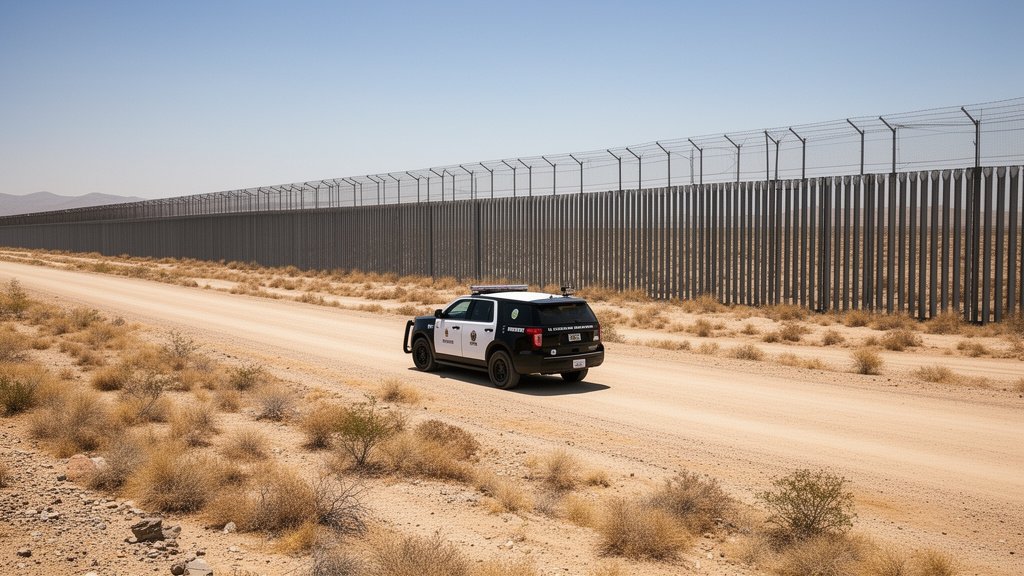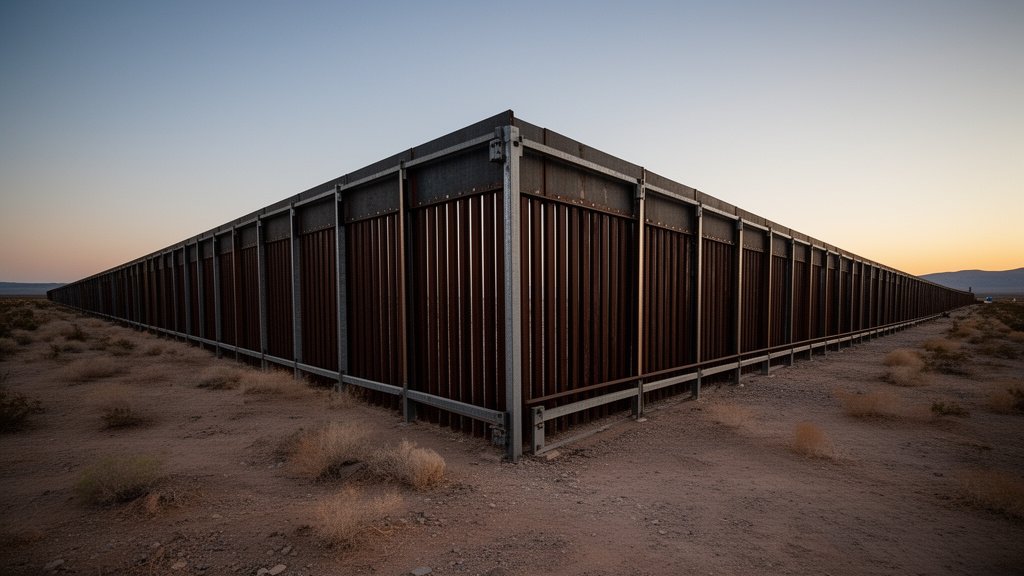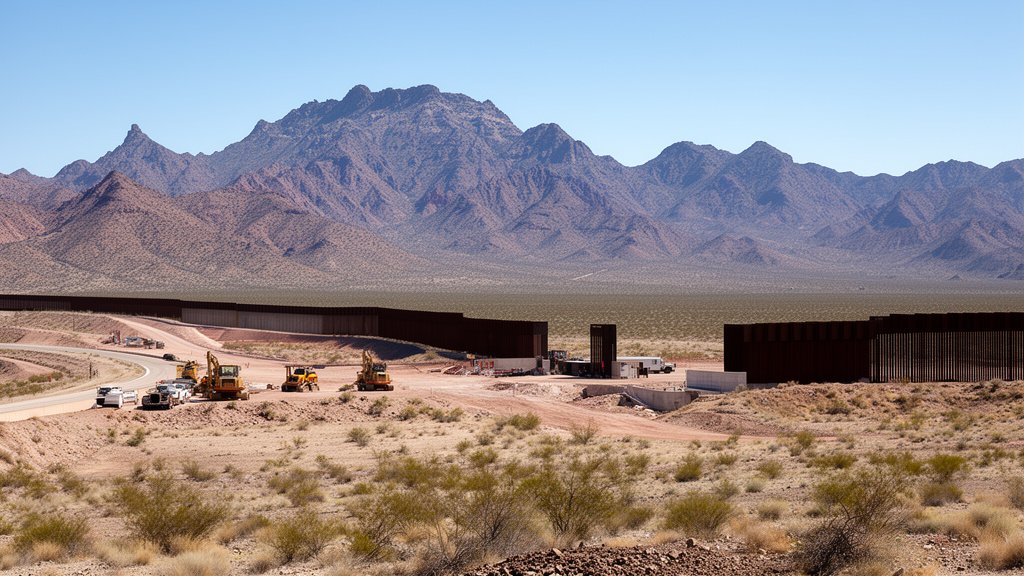
In a decisive shift for the Trump administration’s infrastructure agenda, Customs and Border Protection (CBP) Commissioner Rodney Scott has announced an immediate, temporary pause on all border wall construction activities within the boundaries of Big Bend National Park. This development follows a period of intense, multi-front public protest and growing bipartisan apprehension regarding the integrity of the protected parkland. The suspension marks a significant acknowledgment of the friction between national border security mandates and the conservation of federal lands.
Key Highlights
- CBP Commissioner Rodney Scott officially ordered the immediate, temporary halt of all wall construction efforts in Big Bend.
- The decision follows weeks of vocal opposition from environmental activists, park advocates, and bipartisan lawmakers.
- Primary concerns centered on the irreparable damage to cultural heritage sites and the delicate ecological balance of the national park.
- The pause represents a rare intersection where political pressure successfully halted an executive-backed infrastructure priority.
Shifting Sands: The Halt at Big Bend
The construction of border infrastructure has long been a flashpoint of American political debate, but the recent directive in Big Bend National Park underscores the heightened tension when security projects collide with the sanctity of the National Park System. The Big Bend region, known for its rugged Chisos Mountains and diverse desert ecosystems, has been a central point of contention for conservationists who argue that the wall’s footprint poses an existential threat to wildlife migration corridors and uncatalogued cultural artifacts.
The Catalyst: Environmental and Cultural Outcry
For weeks, the administration faced a mounting wave of criticism. Environmental NGOs and independent researchers presented data suggesting that the construction was not only altering the landscape but was also violating established protocols for the protection of federal land. The cultural impact, particularly regarding potential damage to indigenous sites, galvanized a rare coalition of both Democratic and Republican representatives who questioned whether the strategic value of the wall in this specific, difficult terrain justified the long-term degradation of a national treasure.
The Role of Customs and Border Protection
Commissioner Rodney Scott’s directive is being viewed as a strategic “cooling-off” period. By halting operations, the CBP effectively acknowledges that the administrative machinery behind the project—often characterized by rapid deployment and limited local oversight—encountered a roadblock it could not ignore. While the directive is currently labeled as “temporary,” analysts suggest that the logistical pause provides a window for federal agencies to reassess the project’s environmental impact statements (EIS). This is a critical step in federal law, and the administration’s compliance indicates that legal challenges from environmental groups were beginning to hold significant weight in courtrooms and legislative chambers alike.
Bipartisan Pressure as a Lever
What distinguished this pause from previous controversies was the involvement of bipartisan voices. Traditionally, border wall funding and construction have adhered to strict partisan lines. However, the unique status of Big Bend as a globally recognized biosphere and a cherished American park created an opening for lawmakers from both sides of the aisle to prioritize heritage over security-related construction. The pressure exerted on the executive branch wasn’t just a protest of the policy of border security, but a specific rejection of the placement of the infrastructure.
Future Implications and Monitoring
Looking ahead, the Big Bend construction pause sets a precedent for how federal agencies handle future infrastructure projects on protected land. It forces a critical question: Can national security objectives be achieved without compromising environmental conservation? The coming weeks will be pivotal. Observers will be looking for signs of whether the project is scaled back permanently, rerouted, or if this temporary pause is simply a strategic delay until administrative procedures catch up with construction timelines. As it stands, the silence at the Big Bend construction site is a victory for those who fought to keep the park’s boundaries untouched, but the long-term future of the wall remains a subject of intense speculation and ongoing federal review.
FAQ: People Also Ask
Why was the construction at Big Bend National Park paused?
Construction was paused following intense pressure from bipartisan lawmakers, environmental groups, and the public. Key concerns included the destruction of delicate ecosystems and the potential damage to cultural and historical sites within the park.
Who ordered the halt to the construction?
Customs and Border Protection (CBP) Commissioner Rodney Scott issued the order for the immediate, temporary pause in response to the controversy and mounting legal and political pressure.
Is the construction officially cancelled or just delayed?
Currently, the administration has termed the action a “temporary pause.” It remains unclear if this will lead to a full cancellation of the project in the affected areas or if construction will resume after a reassessment of environmental protocols.
What are the primary ecological concerns in Big Bend?
Big Bend is home to diverse wildlife and fragile desert habitats. Advocates argue that the wall acts as a barrier to natural migration, disrupts water flow in arid environments, and destroys vegetation that is crucial for soil stability.