
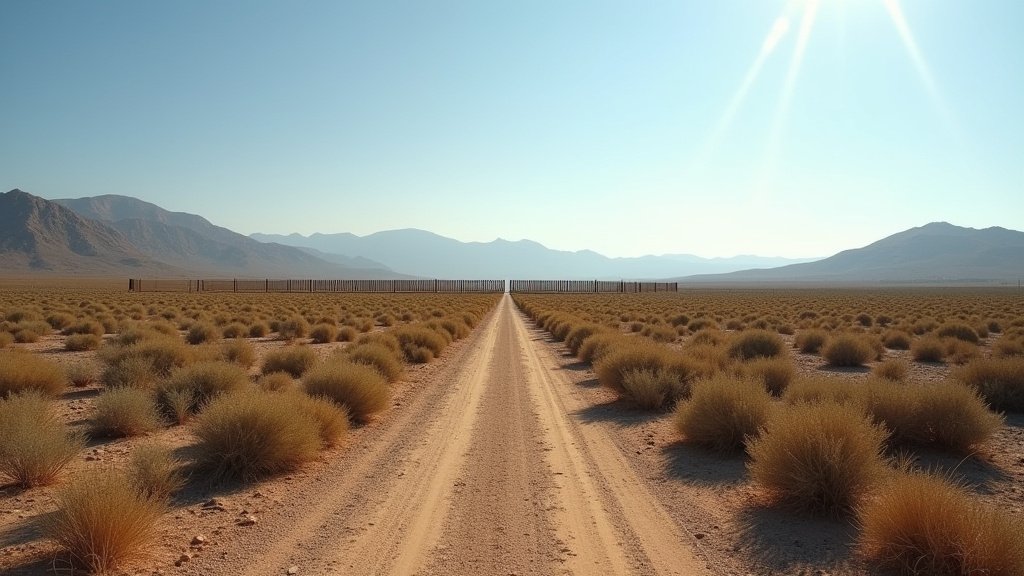
A federal lawsuit has been initiated by a coalition of conservation and humanitarian organizations challenging the administration’s controversial decision to designate 100,000 acres of public land along the New Mexico-Mexico border as a ‘national defense area.’ The legal challenge asserts that this designation is a significant instance of executive overreach, effectively transferring jurisdiction of public property to the military while curtailing established public access rights without sufficient legislative oversight or justification.
Key Highlights
- 100,000 Acres Contested: The lawsuit specifically targets the administration’s reclassification of a vast swath of New Mexico border territory.
- Executive Overreach Allegations: Plaintiffs argue the designation violates constitutional norms regarding land appropriation and executive power limits.
- Public Access Restrictions: The legal filing contends that the military management prevents citizen access to public lands that were historically open to the public.
- Constitutional Conflict: The case centers on the authority of the executive branch to unilaterally shift land management mandates toward defense objectives.
Unpacking the Legal Challenges and Executive Authority
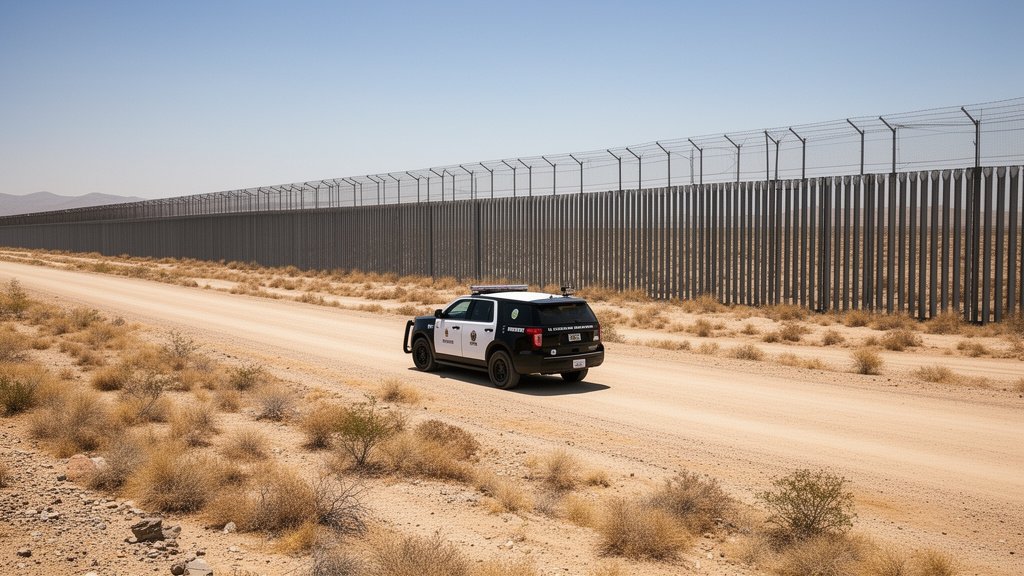
The core of this litigation rests on the tension between the executive branch’s mandate to ensure national security and the statutory requirements governing public lands. The 100,000-acre tract, located in a sensitive ecological zone of New Mexico, was previously managed under standards prioritizing conservation, recreation, and multi-use access. The sudden reclassification to a ‘national defense area’ effectively overrides these established protections, subjecting the land to military oversight and, according to the plaintiffs, illegal restrictions.
The Constitutional Argument: Appropriation and Oversight
Legal scholars supporting the coalition argue that the administration has bypassed the necessary congressional mechanisms for such a massive land management pivot. The lawsuit posits that the Executive branch is utilizing defense designations to circumvent environmental impact assessments and public discourse requirements. By framing the project through the lens of ‘national defense,’ the administration is attempting to insulate its actions from the scrutiny usually required under the Federal Land Policy and Management Act (FLPMA). The plaintiffs contend this constitutes an unconstitutional expansion of executive power, creating a precedent where vast areas of the American landscape could be cordoned off under the guise of security without public consensus.
Ecological and Community Impacts
The land in question is not merely a border line; it is a complex ecosystem. Environmental groups involved in the lawsuit highlight that the militarization of these 100,000 acres disrupts critical wildlife corridors and threatens fragile desert habitats. Beyond the ecological damage, the humanitarian coalition points to the restriction of access for communities that rely on these lands for economic, cultural, and recreational purposes. The abrupt closure of these areas disrupts local grazing rights, tribal traditions, and public land usage, creating a socioeconomic rift between the administration’s security posture and the realities of borderland living.
Bureaucratic Friction: BLM vs. DOD
This lawsuit exposes a deepening rift between the Department of Defense (DOD) and the Bureau of Land Management (BLM). Typically, the BLM serves as the steward of public lands, balancing usage and conservation. The DOD’s encroachment into this management role creates a dangerous bureaucratic precedent. If the lawsuit succeeds, it could force a judicial ruling that mandates a clear separation of powers, requiring the military to prove that their occupancy of such vast land tracts is both necessary and proportional to the threats they seek to mitigate. This case serves as a litmus test for how much power the federal government can exert over public assets during periods of heightened border tension.
Future Implications for Border Policy
The outcome of this federal lawsuit will likely set a major precedent for future border land policies. If the court rules in favor of the coalition, it could force the administration to rescind the ‘national defense area’ designation, restoring management control to the BLM and reopening the land to public use. Conversely, a ruling for the administration would solidify the power of the executive branch to claim broad swaths of public land for security infrastructure, potentially paving the way for similar designations across other border states. The litigation is expected to be lengthy, with both sides preparing to submit extensive data regarding the true security necessity of the land usage versus the environmental and public access costs.
FAQ: People Also Ask
What is a ‘National Defense Area’ designation?
It is a classification used to grant the Department of Defense primary jurisdiction over specific tracts of land to ensure security. In this context, it allows for the restriction of public access and the installation of military infrastructure without the standard public land management protocols.
Why are conservation groups suing over this?
Conservation groups argue that the designation was made without proper environmental impact studies and that it permanently damages fragile desert ecosystems. They also challenge the legality of transferring public land management power to the military.
Does this impact private property owners?
The lawsuit primarily focuses on public lands, but many local communities are concerned that the militarization of 100,000 acres could lead to increased surveillance, road closures, and disruptions to the regional economy, impacting private landowners adjacent to the designated areas.
What is the next step in the lawsuit?
The case is currently pending in federal court. Both parties will engage in discovery, where the administration must provide evidence justifying the need for this specific land designation, and the plaintiffs will present expert testimony on the environmental and constitutional impacts.