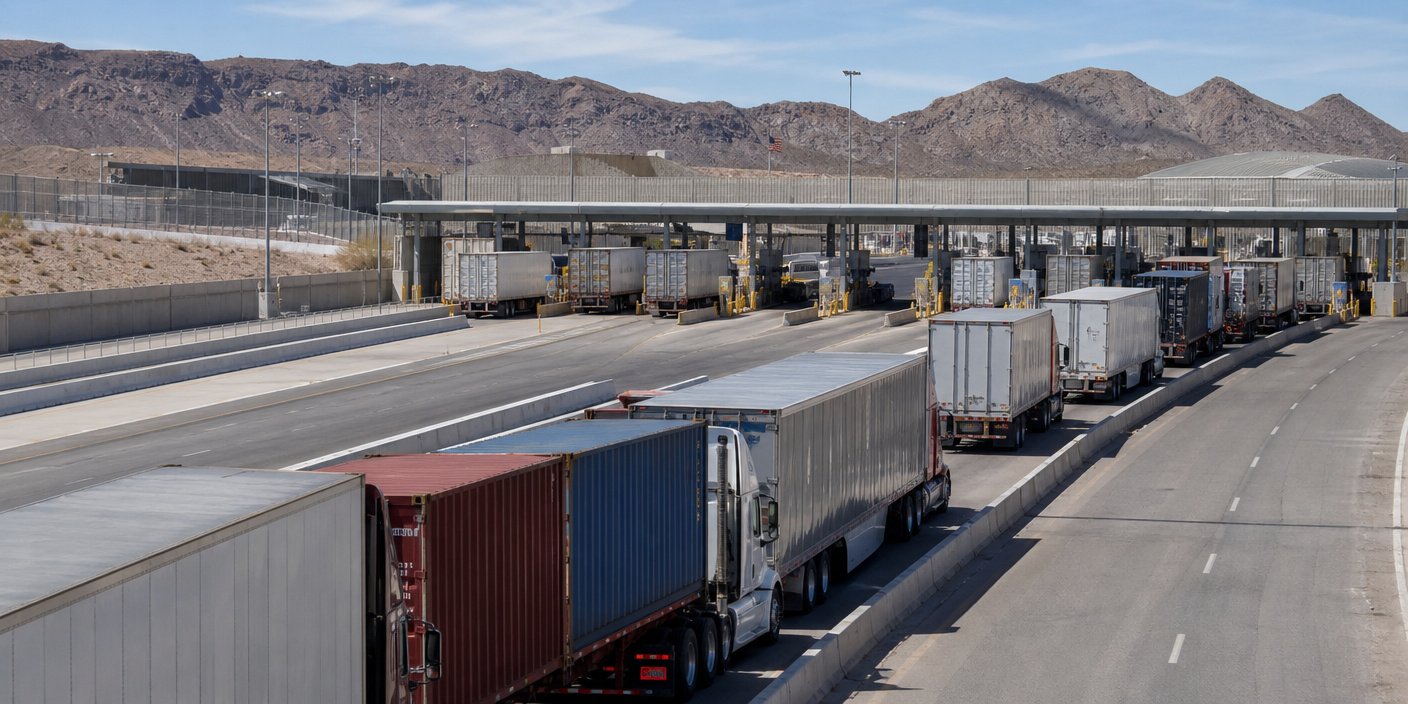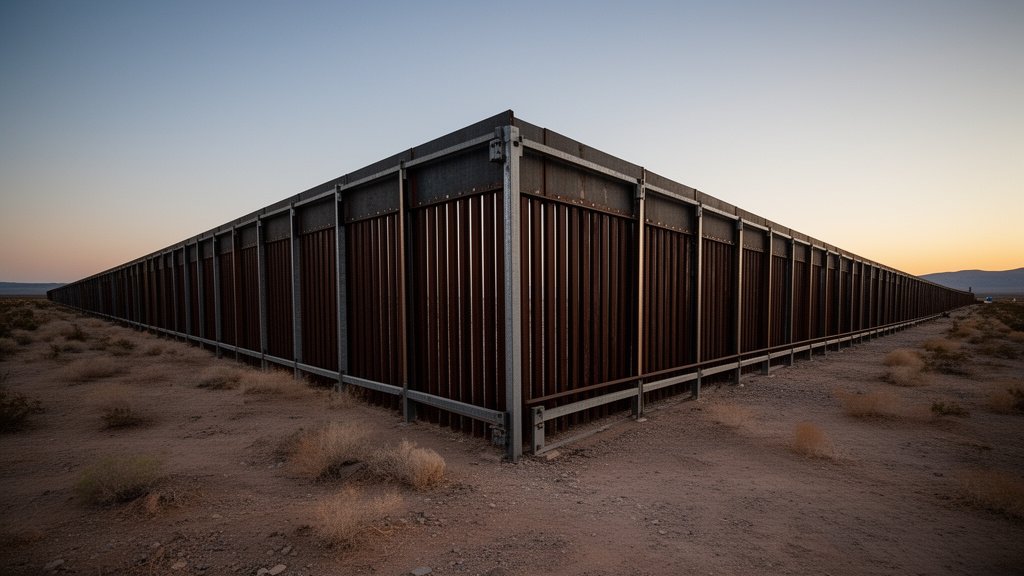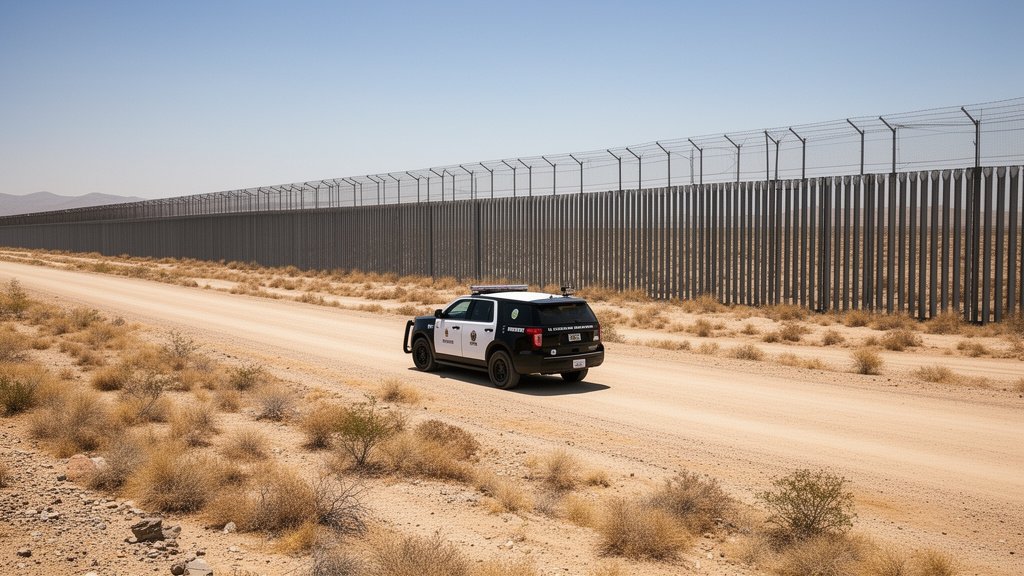
As a caravan of approximately 600 migrants currently traverses through Mexico, originating from Honduras, the Department of Homeland Security (DHS) and the White House have issued a unified, stern warning regarding the status of the U.S. southern border. Federal officials have confirmed that the border remains closed to illegal entry, explicitly stating that policies historically referred to as “catch and release” are no longer in effect. The message comes amidst intensifying operational preparations by U.S. Customs and Border Protection (CBP) to manage the influx and deter illegal crossings.
Current Movement and Operational Status
The caravan, estimated at roughly 600 individuals, is currently navigating through Mexican territory as it progresses toward the northern border. While these caravans vary in size and composition, federal intelligence units are monitoring this specific group’s trajectory. For the Biden-Harris administration, the presence of this group creates a significant diplomatic and operational challenge, requiring tight coordination with Mexican federal authorities to manage migration flows before they reach the official ports of entry. The administration’s stated strategy hinges on a combination of increased personnel deployment and regional cooperation, aimed at intercepting groups before they reach the immediate border zone.
Shifting Enforcement Protocols: The End of ‘Catch and Release’
The central pillar of the administration’s current communication is the categorical rejection of “catch and release” practices—a term used to describe the process where migrants apprehended at the border are processed and released into the U.S. interior with a notice to appear in immigration court years later.
The Legal Framework of Deterrence
Under current enforcement protocols, the administration has pivoted toward a model of expedited processing and, where applicable, immediate removal. This shift is designed to signal to prospective migrants that the asylum process is not a guarantee of entry and that crossing the border illegally will trigger severe consequences. These include potential criminal prosecution for unlawful entry and mandatory deportation for those who do not meet the high legal threshold for asylum or other forms of protected status.
Diplomatic Coordination and Regional Security
The success of this strategy relies heavily on the assistance of foreign partners, particularly Mexico. The U.S. government continues to provide diplomatic and, in some instances, logistical incentives for Mexican authorities to heighten their own enforcement measures. By curbing the movement of the caravan within Mexico, U.S. officials hope to avoid a logistical bottleneck at the ports of entry. This “remote management” of the border—pushing the enforcement perimeter south of the actual U.S. borderline—has become a cornerstone of modern U.S. immigration policy.
Impact on Asylum Seekers
The legal landscape for these individuals is fraught with complexity. Under Title 8 immigration authorities, migrants processed at the border are subject to rigorous screening. The administration’s focus is on ensuring that those with legitimate claims are identified quickly, while those without legal standing are repatriated. The DHS has emphasized that individuals attempting to circumvent legal, designated pathways will find the path to legal residency effectively blocked, serving as a primary deterrent measure.
Secondary Angles: Understanding the Modern Border Crisis
To fully understand the complexity of the current situation, three secondary factors must be considered:
1. The Evolution of Caravan Tactics: Unlike historical migration patterns, these caravans are organized movements that utilize social media and regional networks to facilitate transit. This creates a moving target for border enforcement agencies, requiring real-time, cross-border intelligence sharing.
2. Economic and Human Cost: The route from Honduras through Mexico is perilous, often controlled by criminal cartels who extort migrants. The administration’s messaging is, in part, an attempt to discourage migrants from placing their lives in the hands of these smuggling networks.
3. Domestic Political Pressure: The management of this caravan occurs within a highly charged domestic political environment. The administration is under immense pressure to prove that it maintains operational control of the border, making the “no catch and release” stance both a practical policy and a political necessity.
FAQ: People Also Ask
1. Does the ‘catch and release’ policy still exist?
No. The administration has explicitly stated that “catch and release” policies are not in effect. Instead, current protocols focus on expedited processing and, for those who do not meet legal standards for entry, immediate removal or deportation.
2. What happens to the 600 migrants if they reach the border?
If they arrive at the border illegally, they face apprehension by U.S. Border Patrol. Depending on their legal status and the results of their initial screening, they are subject to detention, expedited removal proceedings, or, in limited cases, referral for prosecution for illegal entry.
3. How is the U.S. government stopping the caravan before it arrives?
U.S. officials are coordinating closely with the Mexican government. This involves intelligence sharing, diplomatic pressure to maintain enforcement in southern Mexico, and the deployment of resources to ensure that migrants are processed or intercepted long before they reach the U.S. soil.