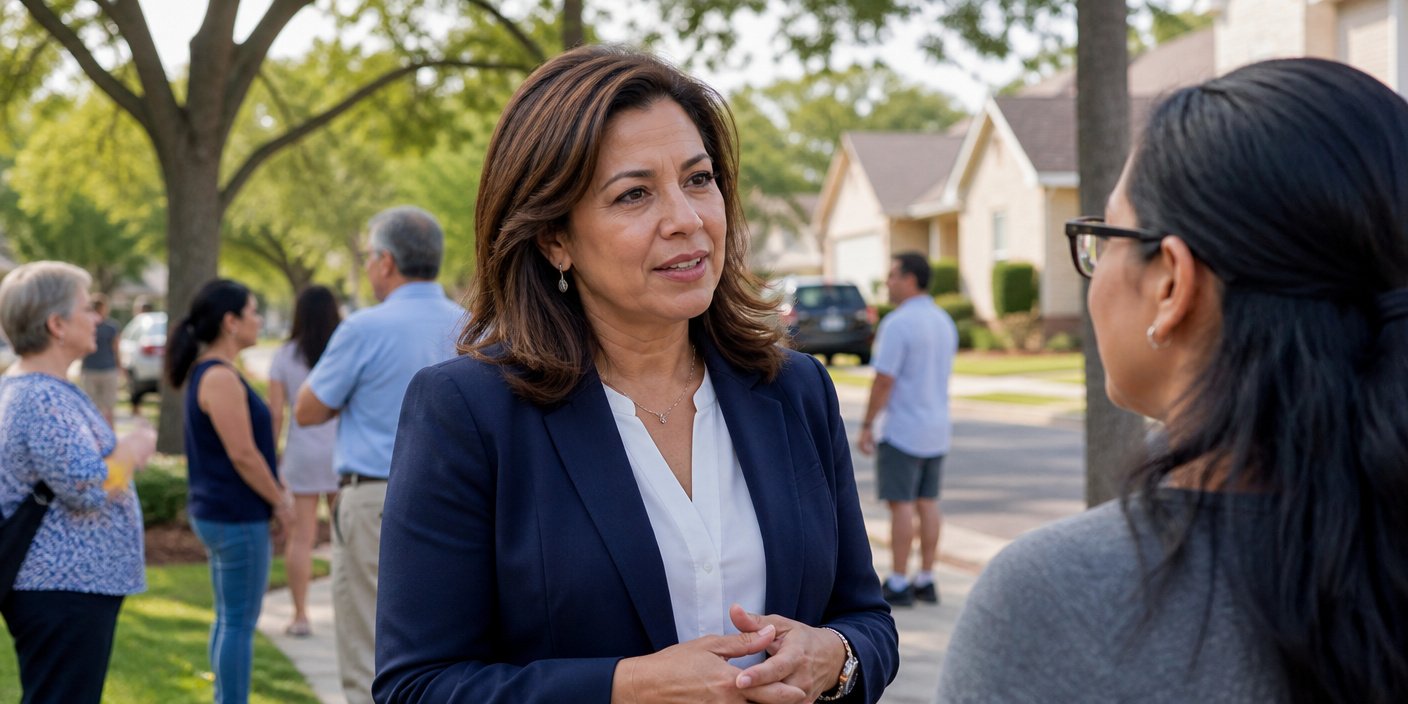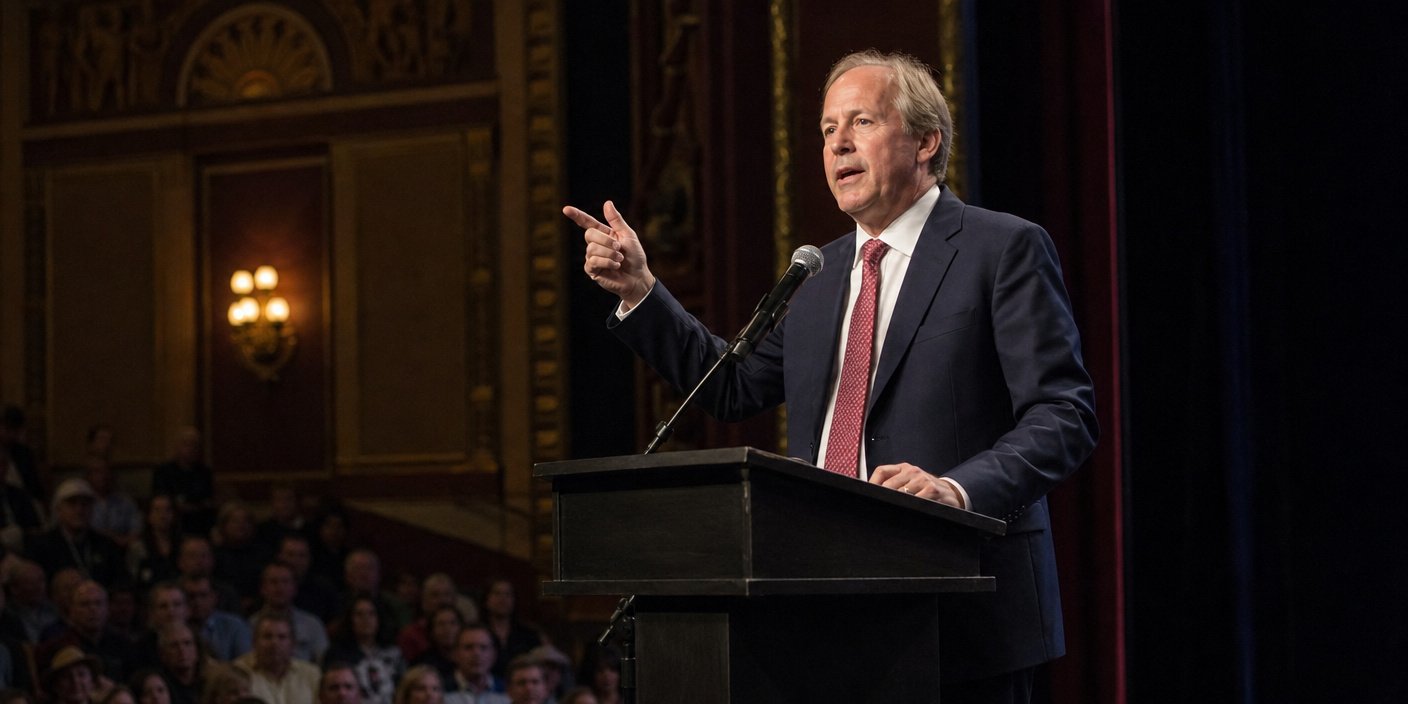


Congressional Democrats have vehemently condemned remarks made by a Texas candidate, labeling them as antisemitic and calling for accountability. The controversy has ignited a sharp rebuke from within the party, highlighting deep divisions and concerns over rhetoric in political campaigns.
Key Highlights:
- Congressional Democrats have issued a strong denouncement of a Texas candidate’s recent statements.
- The remarks have been widely characterized as antisemitic, drawing bipartisan criticism.
- The incident has intensified scrutiny of campaign rhetoric and its impact on political discourse.
- Calls for the candidate to retract or apologize for their statements are mounting.
Democratic Fury Over Antisemitic Slurs
In a swift and unified response, a coalition of Congressional Democrats has publicly denounced a Texas candidate for remarks widely perceived as antisemitic. The backlash, which has rapidly gained traction across political and media spheres, underscores the growing sensitivity and zero-tolerance approach towards hate speech within the party. The statements, made during a recent campaign event, have been described by critics as employing age-old tropes and exhibiting a blatant disregard for the historical context of antisemitism.
The Nature of the Remarks
While the specific verbatim quotes have varied in reporting, the consensus among Democratic lawmakers is that the candidate’s language invoked harmful stereotypes and conspiracy theories historically used to demonize Jewish people. Sources indicate the remarks touched upon themes of financial control and undue influence, common refrains in antisemitic propaganda. This has led to immediate accusations of the candidate promoting harmful and divisive narratives that have no place in modern political discourse. The party’s leadership has stressed that such rhetoric is not only offensive but also dangerous, potentially inciting prejudice and discrimination.
Calls for Accountability
Following the widespread condemnation, there are growing calls for the Texas candidate to issue a formal apology or, in some cases, to withdraw from the race. Several prominent Democratic figures have stated that the severity of the remarks warrants more than a simple retraction. They are demanding a clear acknowledgment of the harm caused and a commitment to understanding and rejecting antisemitic ideologies. The party’s stance is that while robust debate is essential, it must remain within the bounds of respect and decency, unequivocally rejecting any form of hate speech. The internal party pressure is significant, with many members emphasizing the need for a strong, consistent response to uphold the party’s values.
Broader Implications for Political Discourse
This incident is not an isolated event but rather reflects a broader concern within the Democratic Party about the rise of divisive rhetoric in political campaigns nationwide. Lawmakers are increasingly grappling with how to address potentially antisemitic or otherwise prejudiced statements from candidates, particularly those who may gain traction by appealing to fringe elements of the electorate. The controversy serves as a potent reminder of the need for constant vigilance against hate speech and the importance of fostering an inclusive political environment. The Democratic National Committee (DNC) and various advocacy groups are expected to monitor the situation closely, potentially influencing campaign strategies and candidate vetting processes moving forward.
Historical Context of Antisemitism in Politics
Antisemitism has a long and disturbing history in political discourse, often manifesting through conspiracy theories about Jewish power and control. These narratives, which have resurfaced in various forms throughout history, have fueled discrimination, violence, and persecution against Jewish communities. Understanding this historical context is crucial to recognizing the severity of the Texas candidate’s remarks. The patterns of speech used can often echo long-standing antisemitic tropes, making them particularly insidious. This incident prompts a re-examination of how such rhetoric has been allowed to permeate political discussions and the responsibility of political parties and media to challenge it.
FAQ: People Also Ask
What constitutes antisemitic remarks?
Antisemitic remarks are statements or expressions that exhibit prejudice, discrimination, or hostility towards Jewish people. This can include perpetuating harmful stereotypes, conspiracy theories about Jewish control, denying the Holocaust, or using slurs and hateful language directed at individuals or the Jewish community as a whole.
Why are antisemitic remarks particularly concerning in politics?
Antisemitic remarks in politics are concerning because they can normalize hate speech, incite discrimination and violence against a minority group, and undermine democratic values of equality and inclusion. When political figures use such language, it can legitimize prejudice and have a ripple effect on public discourse and policy.
What is the typical response from political parties to antisemitic remarks by their members?
Political parties generally condemn antisemitic remarks and often call for apologies or disciplinary action. The severity of the response can vary depending on the party, the specific remarks, and the political climate, but a strong condemnation is usually the standard to uphold party values and public image.
What is the historical significance of conspiracy theories involving Jewish people?
Historically, conspiracy theories about Jewish people have played a significant role in fueling antisemitism. These theories often falsely accuse Jewish individuals or groups of secretly controlling financial markets, governments, or media, which has been used to justify persecution, pogroms, and discrimination throughout history, most notably culminating in the Holocaust.