
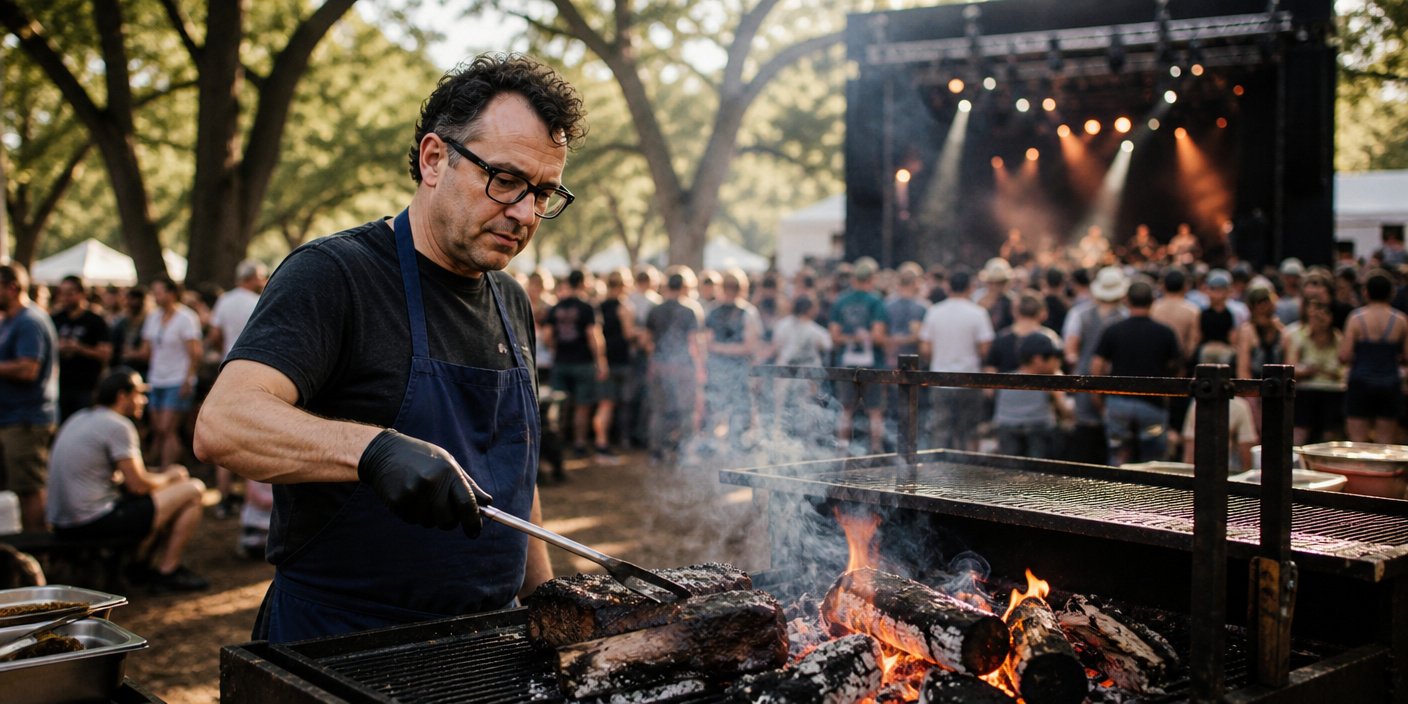
Hot Luck 2026 solidified its reputation as the definitive crossroads of culinary mastery and musical prowess, transforming Austin into a smoky, sonic epicenter on October 16-17, 2026. The festival, spearheaded by pitmaster Aaron Franklin, successfully balanced the raw, visceral nature of live-fire cooking with the high-energy atmosphere of Texas’s renowned music scene, creating a weekend that felt both intimate and expansive.
Key Highlights
- Foundational Leadership: Curated by Aaron Franklin, the event leveraged his expertise to bring together a roster of top-tier culinary talent from across the nation.
- The Fusion Model: The weekend was defined by its unique programming, seamlessly blending open-flame cooking demonstrations with live musical performances.
- Strategic Timing: Held on October 16-17, 2026, the event capitalized on Austin’s temperate fall climate, drawing massive crowds to the city’s heart.
- Cultural Status: The festival reinforced its standing as a “premier” Texas food event, differentiating itself from standard culinary trade shows through its focus on authentic craftsmanship.
The Anatomy of a Culinary Phenomenon
The allure of Hot Luck 2026 was not merely in the food served, but in the atmosphere cultivated. In a city where “keep it weird” is a civic mandate, this festival managed to elevate the concept of a weekend cookout into an immersive cultural experience. At the center of it all was Aaron Franklin, whose influence acted as the gravitational pull for both attendees and fellow chefs.
The Franklin Philosophy: Smoke and Sound
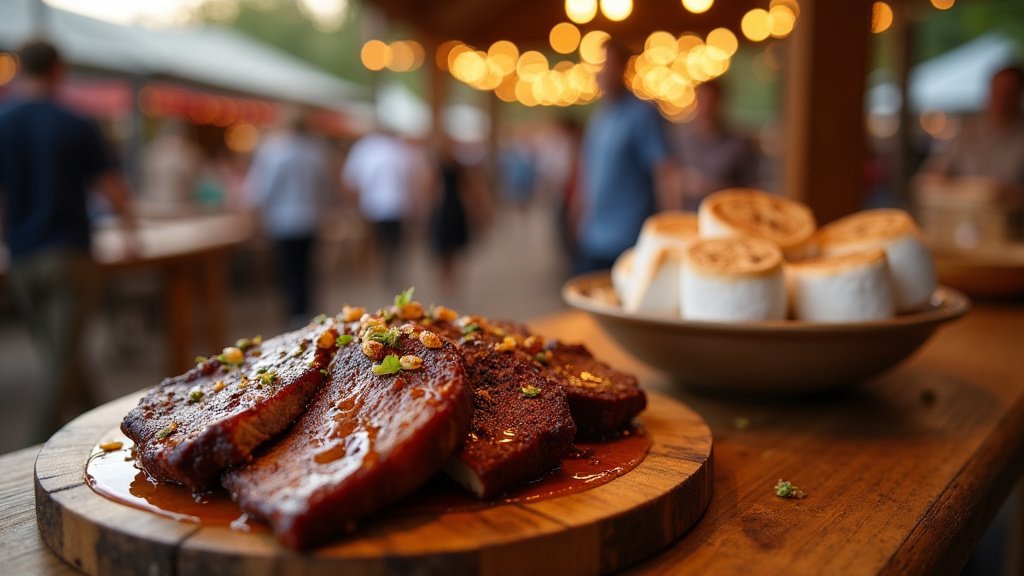
Aaron Franklin’s approach to Hot Luck has always been rooted in the belief that culinary art is an extension of lifestyle, not a distant, high-brow pursuit. In 2026, this philosophy was on full display. The event moved away from the sterile environment of convention halls, opting instead for venues that felt like extensions of Austin’s living room. The live-fire cooking stations were not just kitchens; they were performances in their own right. Attendees watched as chefs manipulated embers, smoke, and heat to transform raw proteins into complex, layered dishes. The “Hot” in Hot Luck is literal—it refers to the fire that is the lifeblood of this festival.
A Symbiotic Cultural Exchange
What sets Hot Luck apart from the plethora of food festivals across the United States is the intentional, symbiotic relationship between the chefs and the musicians. In 2026, this was more pronounced than ever. It was not uncommon to see a James Beard Award-winning chef plating a dish while a local Austin band provided the soundtrack on an adjacent stage. This crossover is essential to the festival’s identity. It breaks down the barrier between “dinner” and “entertainment,” forcing guests to participate in both sensory experiences simultaneously. The music didn’t just play in the background; it informed the rhythm of the meal, and the aroma of the woodsmoke dictated the tempo of the stage.
Economic and Community Impact
Beyond the plate and the stage, Hot Luck 2026 served as a vital economic engine for Austin. By drawing culinary talent and food enthusiasts from across the country, the festival provides a tangible boost to local hospitality businesses, from boutique hotels to independent breweries. Austin’s economy has long relied on its reputation as a creative hub, and events like Hot Luck ensure that this reputation remains backed by high-end, experiential tourism. For the local hospitality sector, the October dates provided a significant shoulder-season lift, keeping visitor traffic high during a traditionally transitional month.
Future-Proofing the Festival
As we look toward the post-2026 landscape, the success of this year’s installment poses an interesting question: Can this format scale without losing its soul? The “exclusive yet accessible” vibe is difficult to maintain at larger volumes. However, the feedback from the 2026 event suggests that the appetite for “craft-focused” culinary events is only growing. The future of Hot Luck likely lies in its ability to continue curate experiences that feel authentic rather than commercialized. By maintaining the intimate connections between the chefs and the audience, the festival remains a gold standard for what a food event can be when it prioritizes passion over profit.
FAQ: People Also Ask
Q: What makes Hot Luck different from other food festivals?
A: Unlike traditional food festivals that focus solely on tastings or chef appearances, Hot Luck is defined by its “live-fire” concept, where the cooking process is performative and central to the event, heavily integrated with live music entertainment.
Q: Who is the primary organizer of Hot Luck?
A: The festival is founded and curated by renowned pitmaster Aaron Franklin, ensuring a high level of culinary credibility and connection to the national chef community.
Q: Where is Hot Luck 2026 held?
A: The event is hosted in Austin, Texas, utilizing a variety of venues that reflect the city’s unique cultural landscape.
Q: Is Hot Luck appropriate for all ages?
A: While the festival features diverse culinary offerings, the atmosphere is largely geared toward adult food and music enthusiasts, though it maintains a festive, communal vibe.