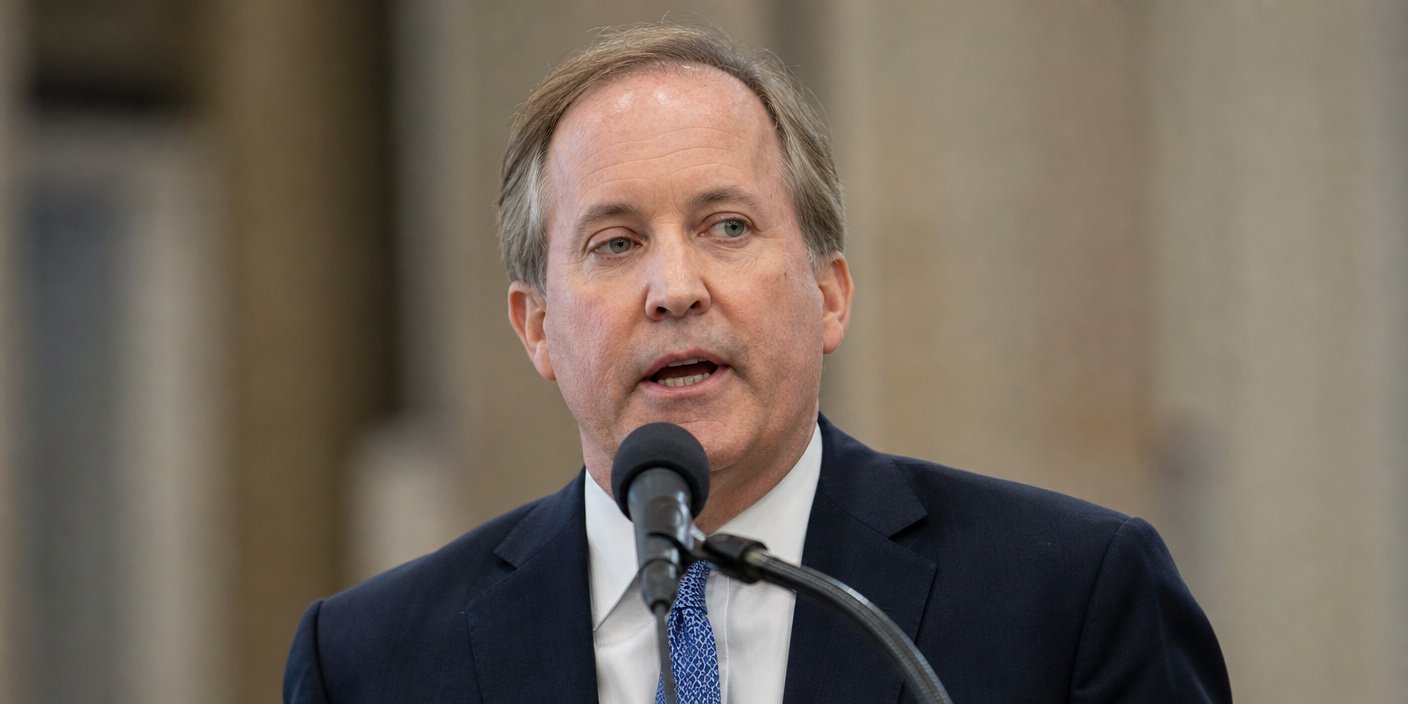

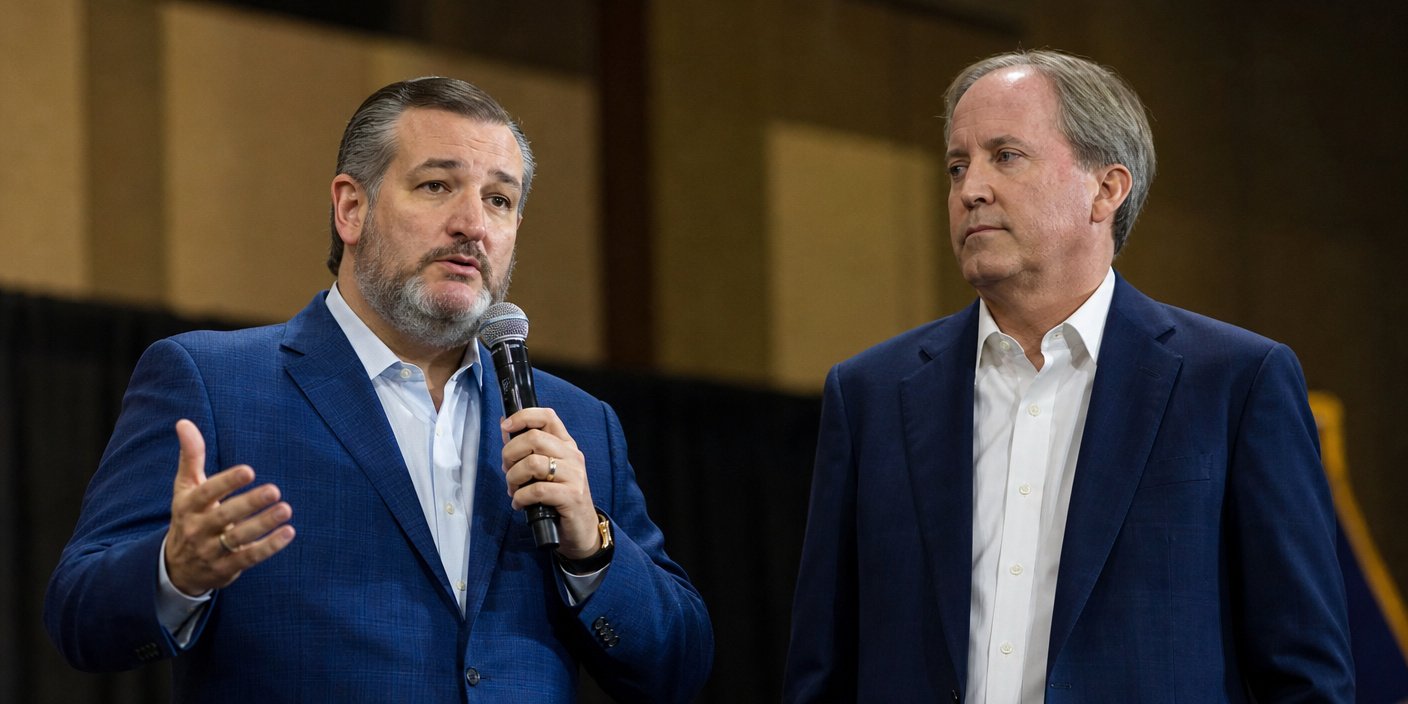
In a strategic maneuver that signals a realignment of power within the Texas Republican Party, U.S. Senator Ted Cruz is throwing his full political weight behind Attorney General Ken Paxton’s U.S. Senate bid. This intensification of support comes at a pivotal moment in the election cycle, with Cruz prioritizing the consolidation of the conservative base to secure a decisive victory against Democratic challenger James Talarico. As the political temperature in Texas continues to rise, the Cruz-Paxton alignment is being framed as the definitive effort to maintain GOP dominance in the state’s upper chamber representation.
Key Highlights
- Strategic Consolidation: Senator Ted Cruz is intensifying his public and legislative backing of Ken Paxton to solidify the Republican voting block.
- Focus on Turnout: The campaign is prioritizing a robust ground-game strategy, specifically targeting rural and suburban GOP strongholds to maximize voter turnout.
- Defining the Contrast: The race is increasingly being characterized as a fundamental clash of ideologies, with the Cruz-Paxton team contrasting their vision against James Talarico’s platform.
- Election Timeline: Both camps are mobilizing resources for a high-intensity final sprint, as polling data indicates a narrowing window for late-deciding voters.
The Texas Political Landscape Shift
The decision by Senator Ted Cruz to aggressively advocate for Ken Paxton’s U.S. Senate aspirations represents more than a simple endorsement; it is a calculated effort to define the ideological future of the Texas Republican Party. By aligning with Paxton, who has long been a polarizing but influential figure among the state’s base, Cruz is effectively issuing a call to arms for the conservative coalition. This maneuver is designed to preempt any splintering within the party, ensuring that the grassroots energy that propelled previous victories remains unified behind a single, cohesive message.
The Mechanics of the Cruz-Paxton Alliance
At the core of this partnership is a shared objective: the mobilization of the ‘base.’ Cruz, a seasoned operative in statewide campaigns, understands that in the current political climate, passive support is insufficient. Consequently, he has begun integrating his digital outreach apparatus with the Paxton campaign’s data-targeting capabilities. This synergy is aimed at identifying disenfranchised or infrequent Republican voters who possess the potential to alter the trajectory of the election. By focusing on issues such as border security, state sovereignty, and fiscal conservatism, the Cruz-Paxton team is constructing a narrative that resonates deeply with the party’s foundational elements.
Addressing the Talarico Challenge
James Talarico, the Democratic challenger, has consistently attempted to reframe the election around healthcare, public education, and infrastructure—issues he argues have been neglected during the current administration’s tenure. However, the Cruz-Paxton strategic team is actively countering this narrative. Through a series of targeted media blitzes and town hall appearances, the campaign is working to re-center the discourse on national security and individual liberty. The strategy is to turn the contest into a referendum on the national implications of the Texas seat, effectively nationalizing the race to boost engagement among voters who might otherwise be focused on local or state-level concerns.
Strategic Implications for the GOP Base
The intensity of Cruz’s involvement serves as a signal to the broader donor class and political establishment that the seat is a top-tier priority. By attaching his own reputation to Paxton’s success, Cruz is raising the stakes significantly. If this strategy yields a high-margin victory, it will undoubtedly solidify Cruz’s position as the preeminent power broker in Texas politics for the next cycle. Conversely, it forces a clear choice for voters: a continuation of the current conservative trajectory championed by the Cruz-Paxton alliance or a shift toward the alternative represented by Talarico’s platform. As the election date approaches, the focus remains firmly on turnout metrics, which both campaigns agree will be the deciding factor in a contest that continues to defy conventional polling models.
FAQ: People Also Ask
1. Why is Ted Cruz getting so involved in this specific race?
Senator Cruz views this seat as essential for maintaining the Republican firewall in the U.S. Senate. His intense involvement is a strategic attempt to ensure the seat remains in the hands of an ideological ally, thereby preserving his own influence within the national party apparatus.
2. What does Ken Paxton’s bid mean for the Texas GOP?
Paxton’s bid signifies a transition toward a more populist-focused agenda for the Texas Republican Party. His alliance with Cruz highlights a desire to merge the party’s traditional conservative voting block with the newer, more energetic populist movement.
3. How does James Talarico plan to counter the Cruz-Paxton alliance?
Talarico’s campaign is focusing on a ‘get out the vote’ strategy in urban centers and suburban areas where he believes moderate and independent voters are dissatisfied with the current state leadership. He is framing his platform as a practical, solution-oriented alternative to the ideological battle being waged by his opponents.