
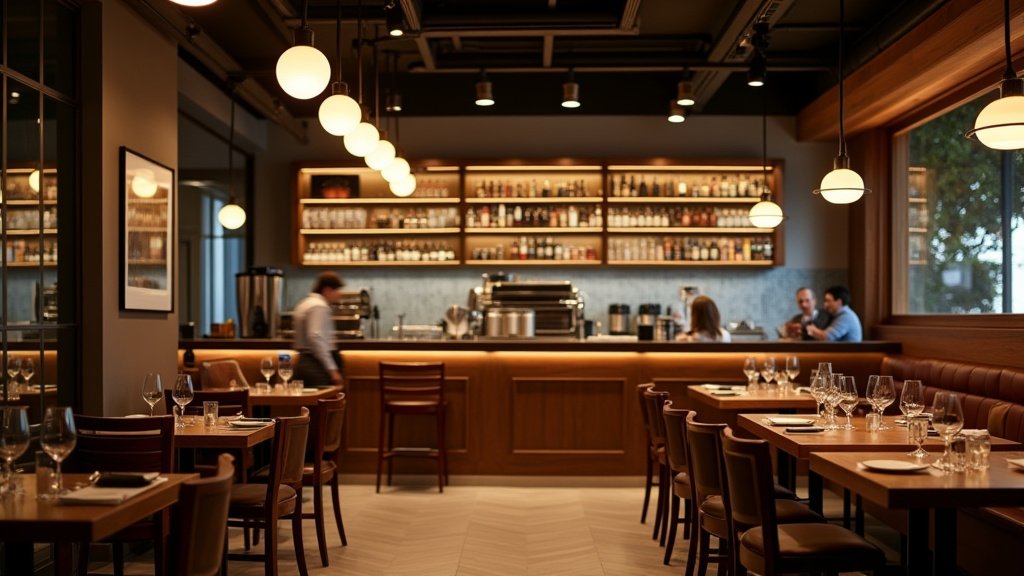
October 2026 has ushered in a wave of culinary innovation across the Dallas-Fort Worth metroplex, with ten distinct restaurants opening their doors to eager patrons. From artisan roasteries in Allen to authentic Japanese concepts in Plano, the region’s hospitality sector is seeing significant growth as diners seek out fresh, high-quality experiences. This latest surge of openings highlights a shifting geography in the North Texas dining landscape, where suburbs are increasingly becoming primary destinations for destination-worthy meals.
Key Highlights
- Suburban Growth: Coach Coffee Shop introduces a refined, artisan cafe experience to Allen, signaling a shift in neighborhood coffee culture.
- International Flair: Curry Tei & Bar arrives in Plano, further diversifying the area’s international dining corridor with specialized, authentic flavors.
- Market Confidence: The ten collective openings for October represent a robust investment in the regional hospitality economy, bucking national trends of stagnation.
The New Frontier of Dallas Dining
The North Texas culinary landscape is undergoing a profound transformation. As October 2026 settles in, the concentration of new restaurant openings has moved beyond the traditional downtown hubs, spreading into vibrant suburban corridors that now command equal attention from local food critics and casual diners alike. This decentralization of the Dallas dining scene is not merely a matter of convenience; it represents a fundamental change in how the region views hospitality, placing a premium on neighborhood accessibility and specialized culinary identities.
The Rise of the Sub-Market Specialist
At the forefront of this trend is the Coach Coffee Shop in Allen. While the area has long boasted a high density of retail spaces, the arrival of a venue that blends the artisanal precision of high-end roasting with the community-centric atmosphere of a cafe marks a maturation of the local market. It is no longer enough to simply serve coffee; consumers now demand a “third place” that bridges the gap between home and office, characterized by aesthetic intentionality and premium sourcing. The success of this model in Allen serves as a bellwether for other boutique operators looking to capture suburban market share.
Similarly, the opening of Curry Tei & Bar in Plano illustrates the deepening appetite for specialized international cuisines. Plano has long been a cultural melting pot, but Curry Tei & Bar represents a move toward hyper-focused culinary experiences rather than generalist dining. By anchoring their menu in specific regional traditions rather than broad interpretations, they are tapping into a sophisticated diner base that prioritizes authenticity and technical execution over mass-market appeal.
Economic Resilience and Consumer Behavior
Beyond the individual menus and interior designs, these ten openings represent a significant economic statement. The investment required to launch a brick-and-mortar establishment in the current economic climate is substantial. The fact that entrepreneurs are proceeding with these launches suggests a high degree of confidence in the North Texas consumer’s purchasing power. We are observing a divergence in consumer behavior: while discretionary spending is tightening in some sectors, the dining-out experience remains a resilient staple of social and economic life in Dallas.
This trend is bolstered by the influx of corporate relocations to the Dallas-Fort Worth area, which has created a demographic base that is both diverse and demanding. These new residents are accustomed to high-caliber culinary scenes from cities like New York, San Francisco, and Chicago, and they are actively seeking comparable experiences in their new home. Restaurants that fail to meet these expectations are quickly filtered out, while those that succeed—like the ten highlighted this month—become instant fixtures of the community.
Looking Toward the Future of Dining
As we project the trajectory of the Dallas culinary scene beyond October, several themes emerge. First, the “Hybrid Model”—establishments that serve as coffee shops by day and curated bars or casual eateries by night—is becoming increasingly prevalent. This maximizes the utility of commercial real estate and captures distinct daypart revenue streams. Second, the integration of technology in the dining experience is becoming seamless; from reservation management to contactless ordering, these new spots are built on a digital-first architecture that prioritizes efficiency without sacrificing the human element of service. Finally, we anticipate that the “Suburban Chic” movement will continue to accelerate, with higher-end, chef-driven concepts viewing the suburbs not as secondary markets, but as primary theaters for their next major projects.
FAQ: People Also Ask
Q: What makes the October 2026 openings unique compared to previous years?
A: The primary difference is the geographic dispersion. Unlike previous waves that focused heavily on downtown Dallas, the current expansion is heavily weighted toward thriving suburbs like Allen and Plano, reflecting a broader demographic shift.
Q: Are these new restaurants mostly casual or fine dining?
A: The October list is diverse, though it trends toward ‘approachable luxury’—concepts that offer high-end ingredients and sophisticated design but maintain a relaxed, welcoming environment suitable for both daily habits and special occasions.
Q: How does the opening of Coach Coffee Shop impact the local Allen economy?
A: It represents a shift toward experiential retail. By offering a high-quality, destination-style cafe, it encourages foot traffic and provides a hub for local social interaction, which can act as a catalyst for further small business development in the immediate vicinity.