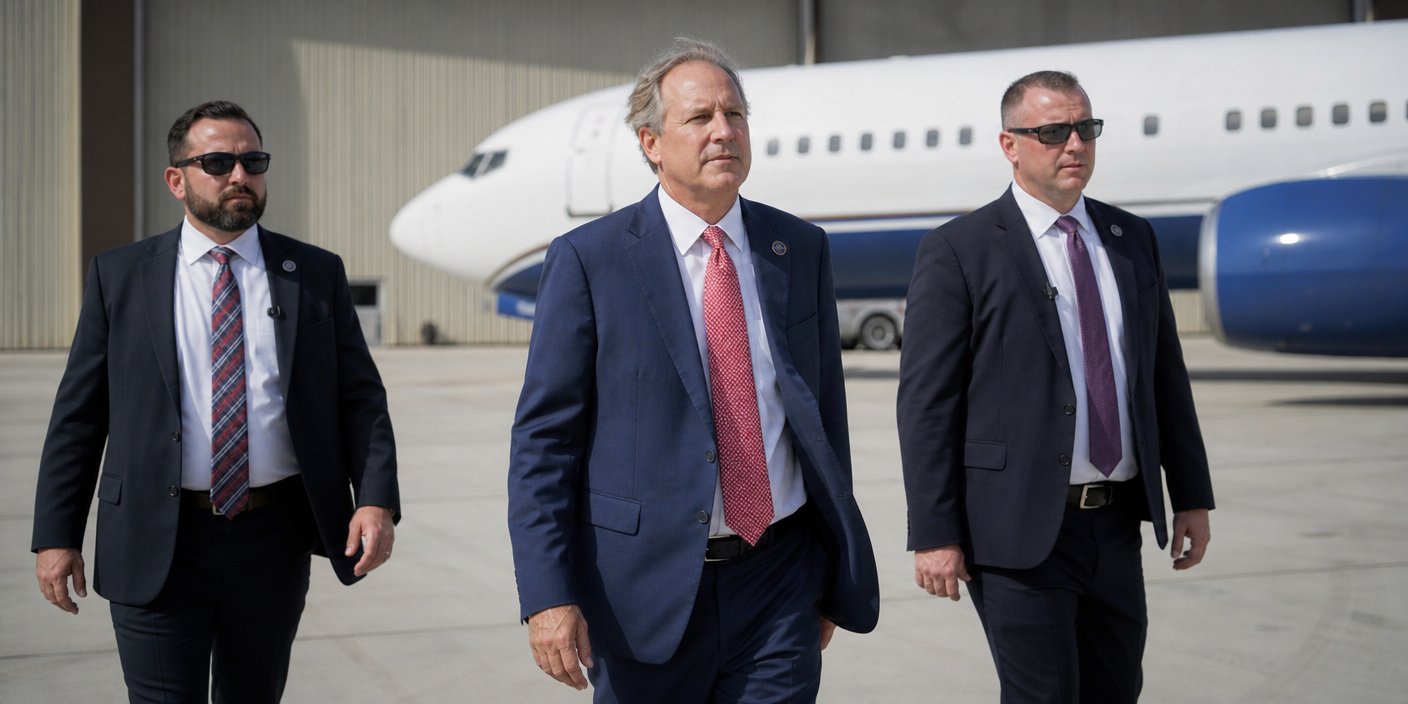

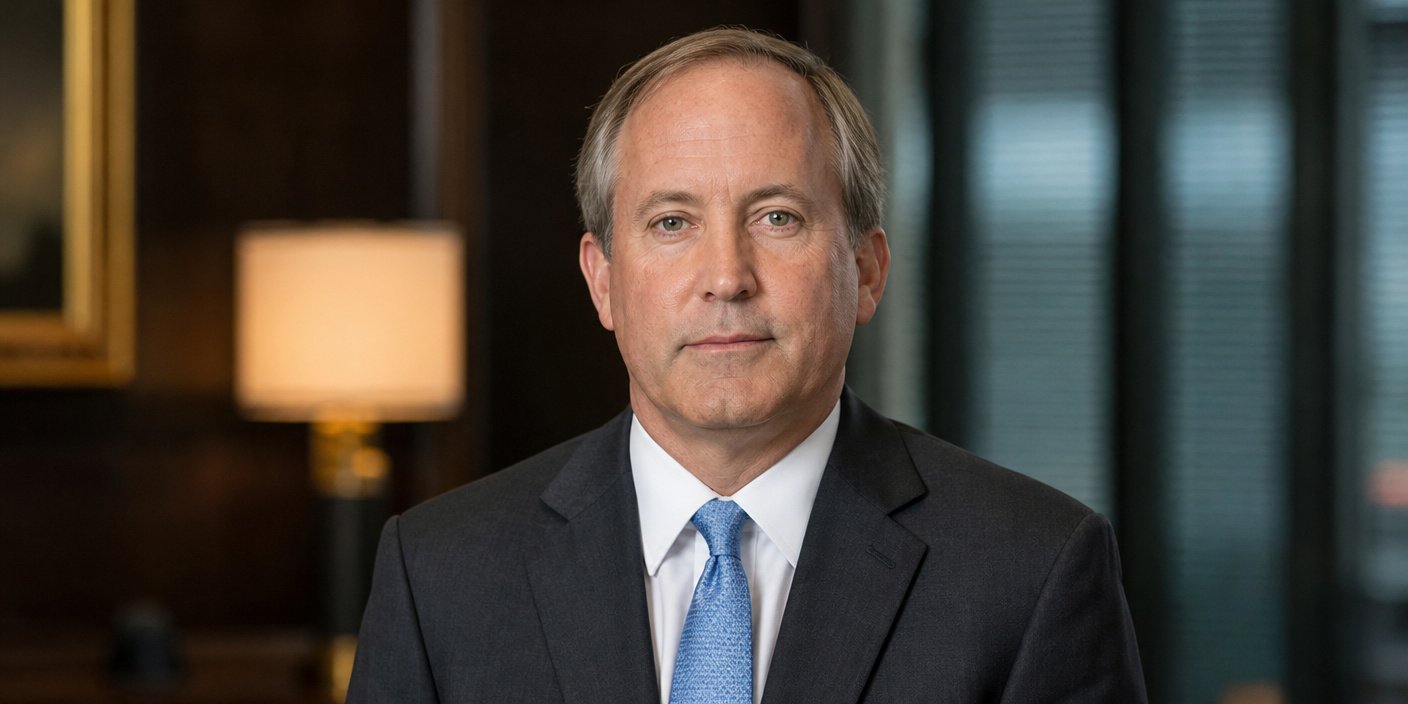
The intersection of campaign finance and the Office of the Attorney General in Texas is facing intense scrutiny following reports that Ken Paxton, the incumbent Attorney General and a U.S. Senate candidate, accepted significant campaign contributions from donors who simultaneously held active legal matters or interests before his office. This revelation has ignited a firestorm of ethical questions regarding the potential for “pay-to-play” dynamics and the influence of private interests on public legal outcomes, particularly as the Senate race enters its decisive final phase. As voters weigh the integrity of their representatives, the disclosure of these financial ties provides a critical focal point for the debate surrounding governance in the Lone Star State.
Key Highlights
- Investigative findings indicate a pattern of campaign donations arriving from entities involved in active legal disputes or regulatory matters under the purview of the Texas Attorney General’s office.
- The report emphasizes the potential for inherent conflicts of interest, where private contributions may influence or be perceived to influence official actions.
- The story emerges during the critical final stages of the U.S. Senate race, potentially altering the campaign narrative.
- Experts point to the lack of strict campaign finance limits in Texas as a contributing factor to the persistence of these ethical dilemmas.
The Anatomy of the Conflict: Assessing Influence and Policy
The fundamental premise of the allegations centers on the duality of the Attorney General’s role: as the state’s top legal officer, Paxton possesses the power to initiate, settle, or drop lawsuits that can have multi-million-dollar impacts on private corporations and individuals. When these same entities engage in significant campaign fundraising for the individual overseeing their legal destiny, the separation between political ambition and impartial administration becomes perilously thin.
The Mechanics of Campaign Finance in Texas
Texas remains one of the few states with minimal restrictions on individual campaign contributions for statewide offices, a structural reality that proponents argue fosters free speech but that critics contend invites corruption. In the context of the Attorney General’s office, this legislative environment creates a specific vulnerability. Unlike other executive positions where policy influence is broad, the OAG (Office of the Attorney General) wields specific, targeted authority over litigation. When donors with active dockets contribute to the campaign, it creates a systemic appearance of a transaction, regardless of the individual actions taken by the AG’s office. This situation underscores the tension between the legal right to participate in the political process and the ethical obligation of public officials to remain detached from the interests of those they regulate.
Impact on the U.S. Senate Campaign
As Paxton pivots to his U.S. Senate candidacy, the timing of these reports is particularly impactful. Senate races are nationalized, highly scrutinized affairs where the candidate’s record—and the perception of that record—is under a microscope. By surfacing these ties now, the investigative report provides political opponents with a tangible line of attack regarding transparency. For the voter, the issue becomes one of character and institutional reliability: can a Senator who navigated such complex conflicts of interest at the state level be trusted to prioritize the national interest over the interests of their financial backers in Washington D.C.?
Institutional Integrity and the Texas Ethics Commission
This situation also places a renewed spotlight on the Texas Ethics Commission. Charged with upholding the integrity of the state’s political system, the Commission faces a difficult mandate when tasked with policing influential officials. The recurring nature of these controversies suggests that existing disclosure requirements may be insufficient. Reform advocates are now calling for stricter recusal policies or, at the very least, higher levels of public disclosure when donors have active litigation against the state. The debate is no longer just about the specific actions of one officeholder, but about whether the current legal framework allows for the institutional capture of the state’s highest legal authority.
Secondary Angle: The Economic Ripple Effect
Beyond the political implications, there is an economic dimension. When legal outcomes appear to be influenced by campaign donations, it can distort the market. Businesses that do not have the resources to fund campaigns may find themselves at a disadvantage in legal disputes with state regulators. This creates an uneven playing field where access to the Attorney General becomes a competitive advantage, potentially stifling fair market competition and discouraging investment from entities that choose not to engage in political fundraising.
Secondary Angle: Historical Context of Texas Political Culture
This is not a new narrative in Texas history. The state has long struggled with the “Good Ol’ Boy” network, where personal relationships and financial support often bridged the gap between the private sector and the capitol. However, the modern scale of corporate lobbying and political action committees has magnified these traditional issues. The current controversy is an evolution of this history, representing the clash between 20th-century political traditions and the 21st-century demand for radical transparency.
Secondary Angle: Public Trust in the Legal System
Perhaps the most lasting impact is on public trust. The judiciary and the executive agencies are meant to be the final arbiters of fairness. When the public perceives that justice is for sale, the entire structure of the rule of law is undermined. This incident contributes to a broader erosion of faith in public institutions, a trend that experts warn could lead to increased polarization and a decline in civic participation, as voters conclude that the system is rigged against their interests.
FAQ: People Also Ask
Q: What is the primary ethical concern regarding the donations?
A: The primary concern is the potential conflict of interest, where donors who have legal matters currently being handled by the Texas Attorney General’s office are simultaneously contributing to that official’s campaign funds, creating the appearance or reality of a “pay-to-play” dynamic.
Q: How does Texas law regulate campaign contributions?
A: Texas has relatively loose regulations compared to other states, with no strict limits on the amount of money individuals or political action committees can donate to statewide campaigns, provided that these donations are disclosed in accordance with state law.
Q: How do these allegations affect the U.S. Senate race?
A: The allegations serve as a point of contention for opponents, who use the findings to challenge the candidate’s ethical track record and transparency, forcing a debate on whether their past state-level actions are disqualifying for federal office.