
The Texas political landscape is witnessing a profound realignment as the durability of the Republican voting bloc comes under intense scrutiny. Recent analyses of the upcoming Texas Senate race indicate a widening divide within the GOP, driven largely by the controversial tenure and legal entanglements of Attorney General Ken Paxton. This internal discord, characterized by friction between establishment figures and hardline loyalists, has inadvertently created a strategic vacuum. Democratic challenger James Talarico, leveraging a disciplined focus on policy and suburban engagement, is rapidly positioning himself to capitalize on this volatility, transforming what was once a safe-seat calculus into a competitive battlefield.
Key Highlights
- Consolidation Crisis: Attorney General Ken Paxton is facing significant hurdles in uniting the fractured Republican voting base following high-profile internal disputes and legal challenges.
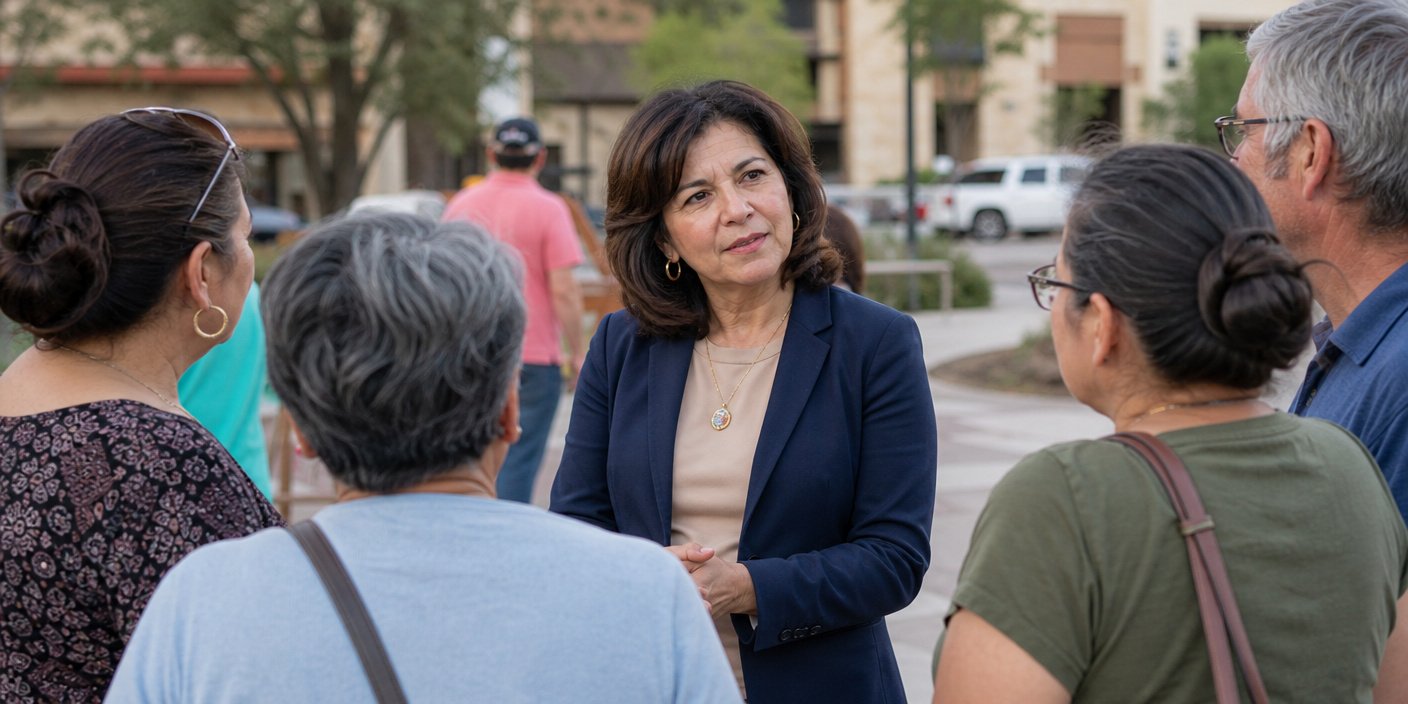
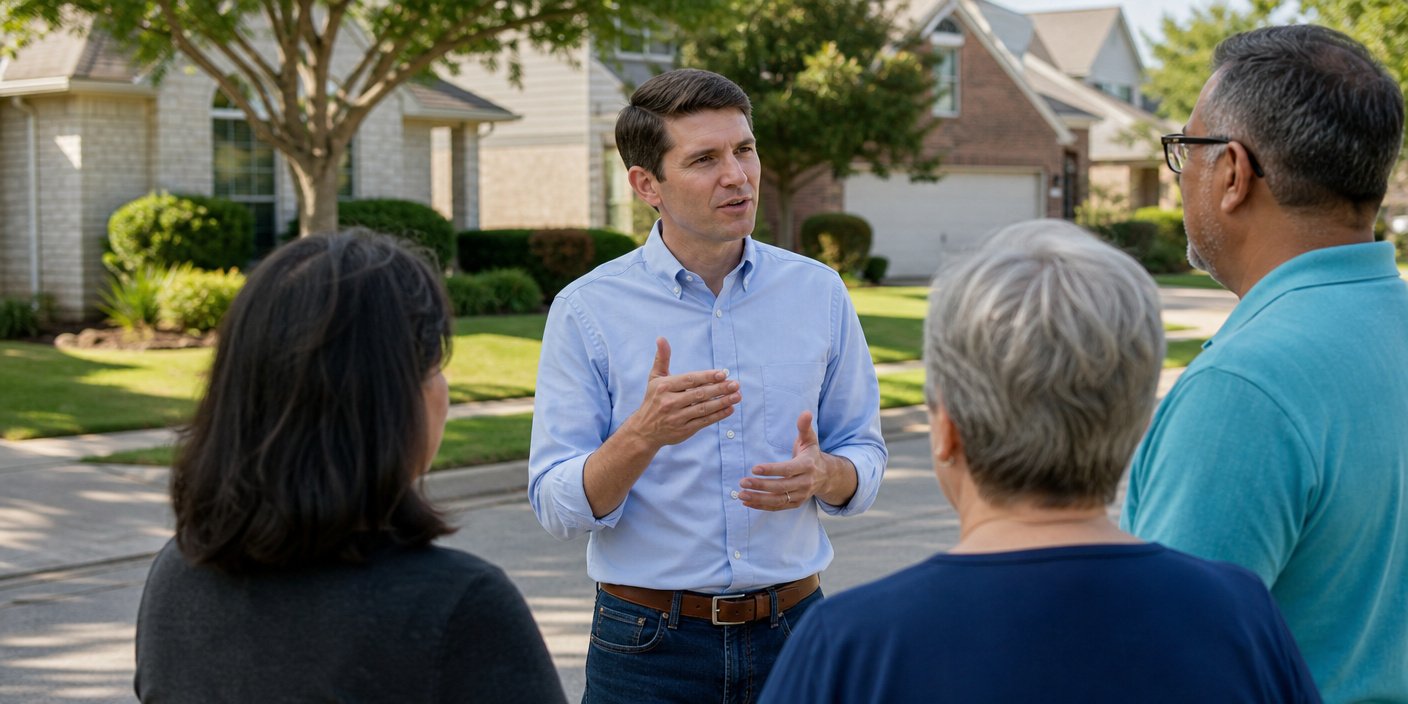
- The Talarico Offensive: State Representative James Talarico is actively maneuvering to capture disillusioned suburban voters, a demographic previously thought to be firmly in the Republican column.
- Strategic Math: Polling models suggest that even a marginal defection of 3-5% of Republican voters—a common occurrence in the current polarized environment—could create a mathematical path to victory for Talarico.
- Policy Over Personality: Talarico’s campaign is deliberately pivoting toward specific economic and education policy, attempting to contrast his platform against the ongoing legal controversies surrounding the Attorney General.
The Fracturing Consensus: Inside the Paxton Paradox
For decades, the Texas Republican apparatus has functioned as a monolith, effectively suppressing Democratic ambition through strict adherence to party lines and robust voter turnout. However, the current cycle suggests that the internal cohesion of the Texas GOP is fraying. The primary catalyst for this shift is the enduring controversy surrounding Attorney General Ken Paxton.
Paxton, long considered a heavyweight in Texas conservative circles, has faced a deluge of scrutiny, culminating in his impeachment trial and ongoing legal battles. While his base remains fervent, the broader coalition required to maintain dominance in a statewide race is showing signs of fatigue. Political analysts observe that the “Paxton effect” is no longer merely a matter of partisan rhetoric; it has become a tangible variable in the Senate race math. The Attorney General’s inability to fully consolidate the Republican vote—particularly among traditional conservatives and suburban independents—has created a soft underbelly in the party’s statewide defense.
This is not merely a critique of a single candidate but an examination of the shifting tides within the Texas electorate. As the party moves further right, the middle ground has expanded, leaving a vacuum that is increasingly being occupied by challenger James Talarico. The challenge for the GOP leadership is to reconcile their base’s demands with the necessity of appealing to a broader, more moderate constituency that is currently signaling exhaustion with the state’s perpetual political infighting.
Talarico’s Calculated Ascent
James Talarico’s strategy is a study in calculated political opportunism. Rather than engaging in the hyperbolic crossfire that has defined much of the recent legislative session, Talarico has adopted a “policy-first” approach. His campaign rhetoric emphasizes pragmatic governance—focusing on public education funding, infrastructure development, and economic stabilization—topics that resonate across the political aisle.
By keeping the spotlight on these granular issues, Talarico has managed to avoid the trap of personalist attacks, which historically fail to sway undecided voters in a deep-red state. Instead, he is betting that the exhaustion surrounding the Texas Attorney General’s legal troubles will drive a segment of the Republican voting bloc to either stay home or explore a protest vote. His campaign is effectively treating the Texas Senate race as a referendum on stability versus volatility, and thus far, the narrative is gaining traction among key demographic groups in Texas’s major metropolitan hubs.
Demographic Shifts and the Senate Math
The math behind the potential upset is rooted in the shifting demographics of Texas’s urban and suburban centers. Historically, the GOP could rely on the sheer volume of rural voters to offset losses in cities. However, the suburban bleed—where college-educated, affluent voters are increasingly disillusioned with the state’s aggressive cultural and legal shifts—is accelerating.
When cross-referencing this trend with the Paxton-specific polling data, the narrative becomes clear: the electoral math is no longer as deterministic as it was in previous cycles. If the Attorney General cannot successfully bridge the divide between his hardline base and the moderate conservative wing, the margin for error effectively disappears. For Talarico, the objective is to maintain this momentum by continuing to court those suburban voters who feel alienated by the current state of Republican leadership.
The Broader Political Horizon: Secondary Angles
To understand the full scope of this electoral opening, one must consider three distinct secondary angles that are currently influencing the outcome of the Texas Senate race.
1. The Donor Class Realignment: Large-scale political donors in Texas are reportedly growing cautious. The uncertainty surrounding the stability of the Attorney General’s legal position is leading some traditionally reliable GOP donors to withhold funding or diversify their contributions, fearing a sustained period of litigation could derail the party’s broader legislative agenda.
2. The Impact of the Impeachment Fallout: The legislative memory of the impeachment trial remains fresh. Many conservative strategists argue that the schism created during the trial between the House and the Senate has not yet healed. This legislative friction is preventing a unified messaging front, allowing Democratic challengers like Talarico to control the narrative regarding state spending and government oversight.
3. Future Legislative Implications: A Talarico victory, or even a narrow defeat, would signal a permanent shift in Texas politics. It would demonstrate that the state is no longer a guaranteed stronghold for the current iteration of the Republican party, forcing a strategic pivot that could redefine Texas conservatism for the next decade. If the party fails to unite, they risk losing the very demographic that kept them in power during the last quarter-century.
FAQ: People Also Ask
Is James Talarico officially running against Ken Paxton?
Yes, within the context of the analyzed Texas Senate race developments, the strategic competition between these two figures is the central narrative. Talarico is positioning his campaign as a direct alternative to the governance style represented by Paxton.
What are the main causes of the Republican split in Texas?
Primary drivers include the fallout from Paxton’s impeachment proceedings, deep disagreements regarding state legislative priorities, and a fundamental conflict between grassroots activists and traditional establishment conservatives.
How significant is the suburban voter bloc in this race?
The suburban vote is considered the decisive factor. Analysts suggest that any deviation of 3-5% from traditional Republican support in suburban counties could alter the election outcome significantly.
What does ‘Talarico’s Texas-sized opening’ imply?
It refers to the strategic opportunity for the Democratic challenger to gain ground in a typically safe Republican state due to the internal fracturing and lack of unity within the Texas GOP voting bloc.