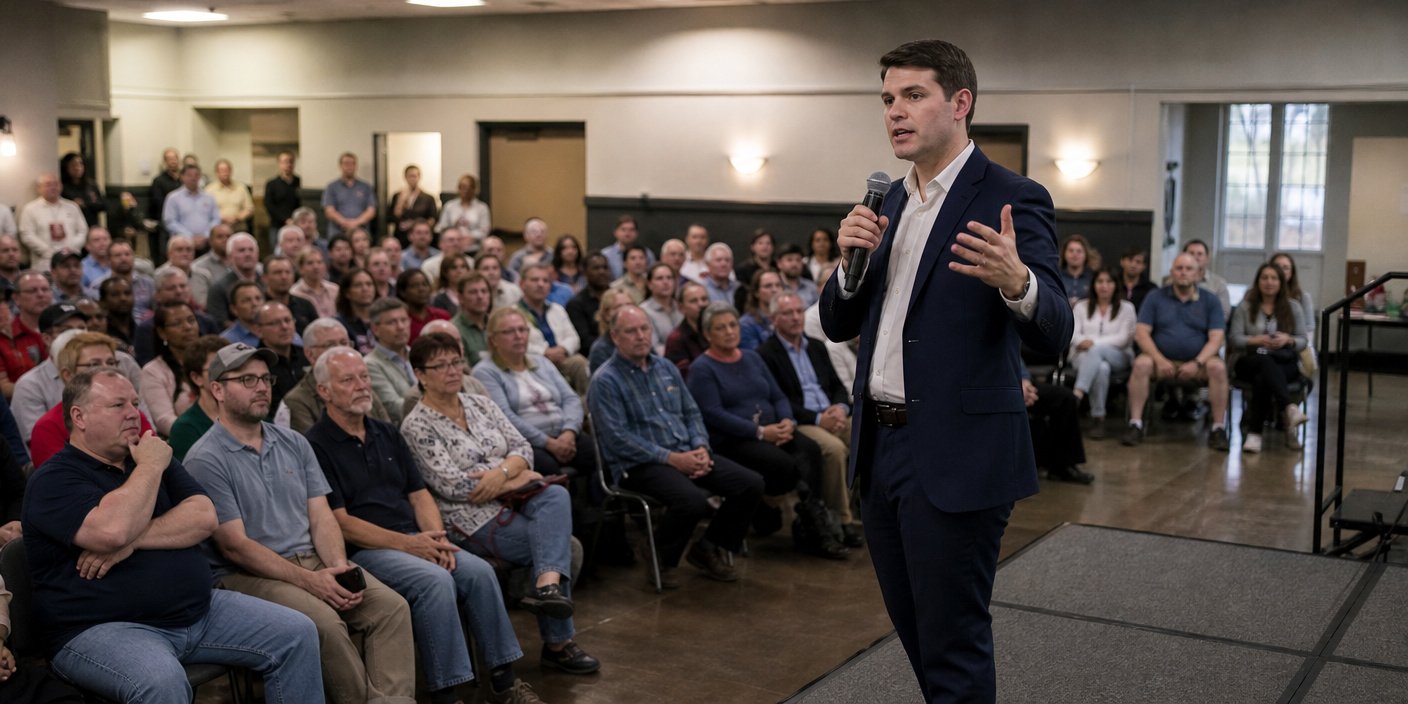

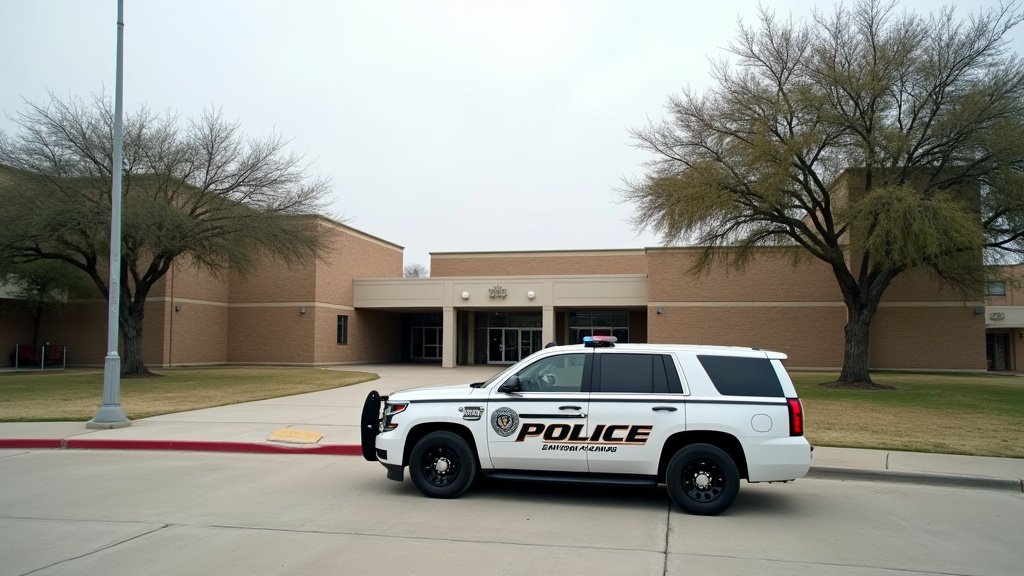
For thousands of Texas schoolchildren, routine childhood behavior is increasingly resulting in formal criminal charges, a trend fueled by a growing reliance on law enforcement to manage student discipline. A collaborative investigation by The New York Times and the San Antonio Express-News reveals that Texas school districts are rapidly escalating minor infractions—such as vaping, verbal altercations, or playground disruptions—into police matters, effectively funneling children aged 10 to 13 into the justice system. This shift marks a significant departure from traditional administrative discipline, raising urgent questions about the long-term impact on student development and the preservation of the educational environment.
Key Highlights
- Criminalization of Childhood: Children as young as 10 are being issued Class C misdemeanor citations for minor school-related misbehavior.
- Vaping as a Catalyst: Much of the enforcement spike is driven by strict zero-tolerance policies regarding vaping on school grounds.
- Systemic Failure: The investigation highlights a breakdown in restorative justice, with schools increasingly offloading disciplinary responsibilities to local police departments.
- Racial and Economic Disparities: Data indicates that students in marginalized communities are disproportionately represented in these criminal referrals.
The Escalating Pipeline to Juvenile Justice
The fundamental purpose of the school disciplinary system—to correct behavior and foster learning—is being fundamentally altered by the introduction of law enforcement into the classroom. According to the investigation, the integration of School Resource Officers (SROs) has expanded beyond physical safety and into the realm of routine student conduct. Rather than navigating school policies through counselors, principals, or detention halls, many Texas students are now encountering police officers at the first sign of disruption.
The Vaping Surge
One of the most significant drivers of this trend is the recent nationwide crackdown on vaping. In Texas, the legislative response has been swift and, according to critics, blunt. Schools are increasingly utilizing police intervention to address students caught with vaping devices. What may have previously resulted in a parental phone call or a suspension is now being processed as a criminal offense, leaving permanent marks on a child’s record before they reach middle school. This policy choice forces police to act as hall monitors, a role that experts argue is ill-suited for law enforcement and counterproductive to the juvenile justice mission.
Impact on the School-to-Prison Pipeline
This administrative shift creates a tangible “school-to-prison pipeline” that begins at an alarmingly young age. When a 10-year-old child enters the justice system, the psychological and societal ramifications are profound. Beyond the immediate fear and trauma of a police interaction, these charges create administrative hurdles that follow a child throughout their academic career. The investigation found that many of these students are subsequently labeled as “offenders,” which can affect their future eligibility for extracurricular activities, advanced programs, and even post-secondary opportunities.
Systemic Vulnerabilities
While the policy is statewide, the enforcement is rarely equitable. The data reveals that students in low-income districts and students of color are more frequently targeted for these citations. This creates a dual-system of discipline where students with access to private resources or schools with more restorative-focused administration are shielded from the criminalizing effects of the current Texas Education Code, while others bear the full brunt of police intervention. The disparity highlights a critical need for reform in how Texas schools utilize local law enforcement resources.
Legislative and Administrative Reform
Advocacy groups are now calling for a re-evaluation of the Texas Education Code regarding student discipline. The current framework encourages, and in some cases mandates, the involvement of law enforcement for specific infractions. Critics argue that “School Resource Officers” should focus exclusively on genuine safety threats, such as active shooters or intruders, rather than internal disciplinary issues. The goal of reformists is to pivot back toward evidence-based strategies—such as behavioral intervention programs and mental health support—that address the root causes of misbehavior rather than merely punishing the symptoms.
FAQ: People Also Ask
Q: Are these charges usually dropped for young students?
A: While many charges may eventually be dismissed or lead to diversion programs, the process itself creates a “criminal record” footprint for the child, which can cause significant stress and long-term administrative complications.
Q: What is the age range most affected by this investigation?
A: The investigation specifically highlighted the plight of children aged 10-13, a critical developmental period where children are particularly susceptible to the negative psychological effects of police involvement.
Q: Does Texas law mandate police involvement for all vaping incidents?
A: The application of the law varies by district. However, many districts have adopted aggressive zero-tolerance policies that encourage immediate police intervention, interpreting state code in ways that maximize law enforcement participation in school discipline.
Q: How do educators feel about this trend?
A: Views are mixed. Some educators support the presence of police as a deterrent, while many administrators and teachers express concern that the criminalization of their students destroys the trust necessary for an effective learning environment.