

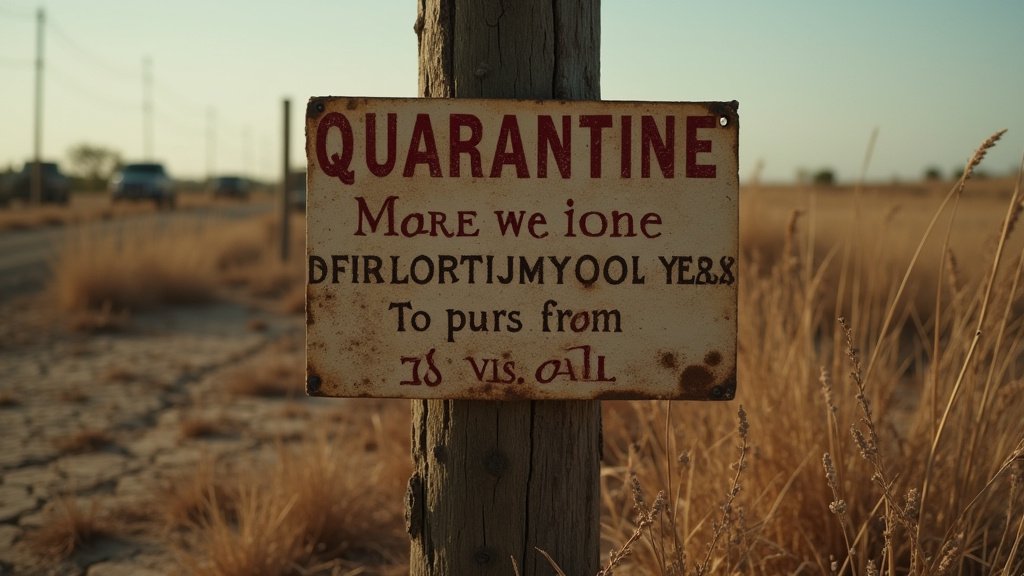
Texas agricultural officials have implemented emergency quarantines spanning 21 counties in South Texas due to a resurgence of the potentially devastating New World screwworm. This parasite, which attacks livestock and can infect humans, poses a significant threat to the state’s multi-billion dollar cattle industry and public health. The quarantine aims to restrict the movement of animals that could carry the pest, preventing further spread.
Key Highlights:
- 21 South Texas counties are now under emergency quarantine.
- The New World screwworm parasite has resurfaced, threatening livestock and humans.
- Movement of animals from quarantined areas is restricted to prevent spread.
- The Texas Animal Health Commission (TAHC) is leading the containment efforts.
Screwworm’s Resurgence and Agricultural Impact
The primary concern driving these emergency measures is the confirmed presence of the New World screwworm (Cochliomyia hominivorax) in several locations within South Texas. This parasite is notorious for its ability to lay eggs in the open wounds of warm-blooded animals, including cattle, sheep, goats, and even humans. Once hatched, the larvae feed on the living flesh of the host, causing severe tissue damage, potential systemic infections, and often death if left untreated. For Texas, a state with a massive cattle population valued in the billions of dollars, the economic implications of a widespread screwworm infestation are dire. The parasite can lead to significant animal losses, reduced productivity, and substantial treatment costs.
Containment Strategies and Official Response
The Texas Animal Health Commission (TAHC), in coordination with the U.S. Department of Agriculture (USDA) Animal and Plant Health Inspection Service (APHIS), is spearheading the response. The 21-county quarantine is a critical tool in their containment strategy. Under the quarantine, the movement of certain animals, particularly susceptible species like cattle, dogs, and goats, out of the designated zones is strictly controlled. This measure is designed to halt the potential spread of the parasite to unaffected areas, both within Texas and to neighboring states. The TAHC is also actively engaging in surveillance and trapping to pinpoint the extent of the infestation and monitor the effectiveness of the quarantine. This proactive approach is vital, as historical outbreaks have demonstrated the rapid spread capability of the screwworm if not aggressively managed.
Historical Context of Screwworm Eradication
The New World screwworm was once a pervasive and economically devastating pest across the southern United States. Through a concerted, multi-decade effort involving sterile insect technique (SIT) – a method of releasing sterilized male screwworms to mate with wild females, thereby reducing the population – the parasite was declared eradicated from the U.S. in the early 1980s. However, sporadic re-infestations have occurred over the years, typically through the introduction of infested animals from Mexico, where the screwworm has never been fully eradicated. The current outbreak underscores the persistent challenge of preventing re-introduction and the need for continuous vigilance and robust border control measures. The success of past eradication campaigns provides a blueprint, but also a stark reminder of the resources and commitment required to combat this pest.
Economic and Public Health Implications
The economic threat to Texas’s agricultural sector cannot be overstated. The cattle industry alone contributes billions to the state’s economy. An uncontrolled screwworm outbreak could result in widespread animal deaths, condemnations at slaughter, reduced calf crops, and increased costs for veterinary care and treatment. Beyond livestock, the parasite’s ability to infect humans, particularly vulnerable populations like children and the elderly, presents a significant public health concern. While human infections are rarer than animal infections, they can be severe and require immediate medical attention. Public awareness campaigns are likely to be initiated to educate residents in affected areas about recognizing the signs of screwworm infestation in both animals and people.
Future Outlook and Prevention Measures
The current quarantines and enhanced surveillance are crucial first steps in managing this resurgence. However, long-term prevention will likely involve continued collaboration between Texas, the USDA, and Mexican authorities to strengthen biosecurity at ports of entry and within Mexico’s screwworm management programs. The effectiveness of the sterile insect technique, which was instrumental in past eradication efforts, may also be re-evaluated and potentially deployed if the current outbreak expands. The TAHC’s commitment to rapid response and inter-agency cooperation will be key to preventing the current situation from escalating into a widespread crisis, safeguarding both the state’s agricultural economy and the health of its residents.
FAQ: People Also Ask
FAQ: People Also Ask
What is the New World screwworm?
The New World screwworm (Cochliomyia hominivorax) is a species of blowfly whose larvae infest the wounds of warm-blooded animals, feeding on living tissue. It is native to the Americas.
How is the screwworm spread?
It is primarily spread through the movement of infested animals, particularly livestock, from one area to another. The female fly lays her eggs in the open wounds of animals, and the hatched larvae then feed on the host’s flesh.
Can screwworms infect humans?
Yes, screwworms can infect humans, although it is much less common than infection in livestock. Human infections typically occur when the larvae infest wounds or mucous membranes.
What is being done to control the screwworm outbreak in Texas?
Texas agricultural officials have implemented emergency quarantines across 21 counties to restrict the movement of animals. The Texas Animal Health Commission (TAHC) and USDA APHIS are conducting surveillance, trapping, and potentially deploying sterile insect techniques to control the parasite’s spread.
How effective was the sterile insect technique (SIT) in eradicating screwworms in the past?
The sterile insect technique was highly effective and was the primary method used to eradicate the New World screwworm from the United States by the early 1980s. It involves releasing large numbers of sterilized male flies, which then mate with wild females, leading to a drastic reduction in the pest population over time.