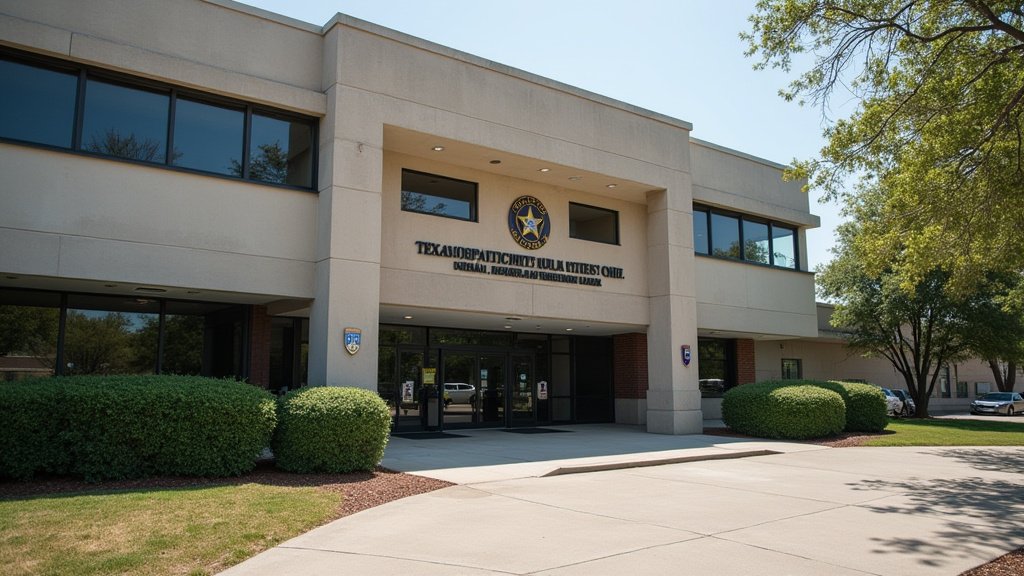
Japanese American internment survivors and faith leaders are demanding the immediate closure of the South Texas ICE Detention Center, citing parallels between past injustices and present-day detention practices. This coalition highlights shared experiences of forced separation and dehumanization, urging an end to current immigration detention policies.
Key Highlights:
- A coalition of Japanese American internment survivors and faith leaders is calling for the closure of the South Texas ICE Detention Center.
- They draw direct parallels between their historical experiences of internment and current ICE detention practices.
- The demand centers on ending what they describe as dehumanizing and unjust immigration detention policies.
- The group seeks to leverage historical awareness to advocate for policy change.
Echoes of Internment: A Call for Justice
The South Texas ICE Detention Center has become the focal point of a powerful protest, led by a unique coalition of Japanese American internment survivors and faith leaders. These individuals, who experienced the profound injustices of forced incarceration during World War II, are now lending their voices and historical perspective to demand the closure of the detention facility. Their activism is not merely a protest against current immigration policies but a deeply personal plea rooted in the trauma of their own past.
Historical Parallels and Present-Day Concerns
Survivors of the Japanese American internment draw stark comparisons between the WWII experience and the conditions at the South Texas ICE Detention Center. During WWII, over 120,000 people of Japanese ancestry, most of whom were American citizens, were forcibly removed from their homes and incarcerated in internment camps across the United States. This mass incarceration was driven by fear and racial prejudice, leading to the loss of homes, businesses, and fundamental civil liberties. Today, the coalition argues that the detention of migrants and asylum seekers in facilities like the one in South Texas echoes these historical injustices. They point to issues such as family separations, prolonged detention without due process, and the dehumanization of individuals as shared elements between the past and the present.
The Role of Faith Leaders
Faith leaders have joined the movement, bringing a moral and ethical dimension to the advocacy. They emphasize the sanctity of human dignity and the universal values of compassion and justice. Citing religious texts and ethical principles, these leaders argue that the current detention practices are incompatible with humanitarian values. Their involvement aims to galvanize broader public support and to pressure policymakers to address the humanitarian crisis at the border and to reconsider the reliance on large-scale detention facilities. The interfaith nature of the coalition underscores a commitment to solidarity and a shared belief in advocating for the most vulnerable.
Demands for Closure and Policy Change
The primary demand from the coalition is the outright closure of the South Texas ICE Detention Center. Beyond this specific facility, they are advocating for systemic changes in U.S. immigration policy. This includes a shift away from detention-based approaches towards more humane and community-based alternatives. They are also calling for increased transparency and accountability within the immigration enforcement system. By framing their demands through the lens of historical injustice, the survivors and faith leaders aim to create a powerful moral argument that resonates with the public and elected officials, seeking to prevent history from repeating itself.
FAQ: People Also Ask
Q1: Why are Japanese American internment survivors protesting at an ICE detention center?
A1: They see striking parallels between the forced incarceration and dehumanization they experienced during World War II and the current detention of migrants at facilities like the South Texas ICE Detention Center. They are advocating for an end to what they view as unjust and inhumane immigration policies.
Q2: What are the main arguments against the South Texas ICE Detention Center?
A2: The arguments include claims of family separations, prolonged detention, lack of due process, and the overall dehumanization of individuals, which survivors liken to the injustices of Japanese American internment. Faith leaders also cite ethical and moral objections.
Q3: What do the protesters hope to achieve?
A3: The coalition aims to achieve the closure of the South Texas ICE Detention Center and broader reforms in U.S. immigration policy, advocating for more humane and community-based alternatives to detention.
Q4: How do faith leaders contribute to this movement?
A4: Faith leaders bring a moral and ethical framework to the protest, emphasizing human dignity and compassion. They work to broaden public support and advocate for policy changes based on humanitarian principles.