

U.S. Customs and Border Protection officers at the Laredo Field Office have intercepted a staggering amount of methamphetamine over a single weekend, seizing over $72.3 million in illicit drugs across multiple ports of entry.
Key Highlights:
- Over $72.3 million worth of methamphetamine was seized.
- The seizures occurred at multiple ports of entry within the Laredo Field Office’s jurisdiction.
- The operation took place over a single weekend, highlighting significant drug trafficking activity.
- This interdiction is part of ongoing efforts to combat drug smuggling along the U.S.-Mexico border.
Record Methamphetamine Bust at Laredo Ports of Entry
In a significant operation that underscores the persistent challenges of drug interdiction, U.S. Customs and Border Protection (CBP) officers stationed at the Laredo Field Office reported a colossal seizure of methamphetamine valued at more than $72.3 million. This massive bust, which took place over the course of a single weekend, involved coordinated efforts across several ports of entry within the Laredo sector. The sheer volume and value of the confiscated narcotics highlight the scale of sophisticated drug trafficking networks attempting to exploit border crossings.
The Scale of the Interdiction
The seizures represent one of the largest single-weekend methamphetamine busts reported by CBP in recent memory for the Laredo Field Office. Officials emphasized that the drugs were intercepted through a combination of vigilant patrolling, advanced detection technology, and thorough inspection processes. The Laredo Field Office encompasses a vast stretch of the U.S.-Mexico border, making it a critical, yet challenging, area for interdiction operations. The success of this operation is a testament to the dedication and expertise of the CBP officers involved in safeguarding the nation’s borders from the influx of dangerous contraband.
Strategic Importance of Laredo Field Office
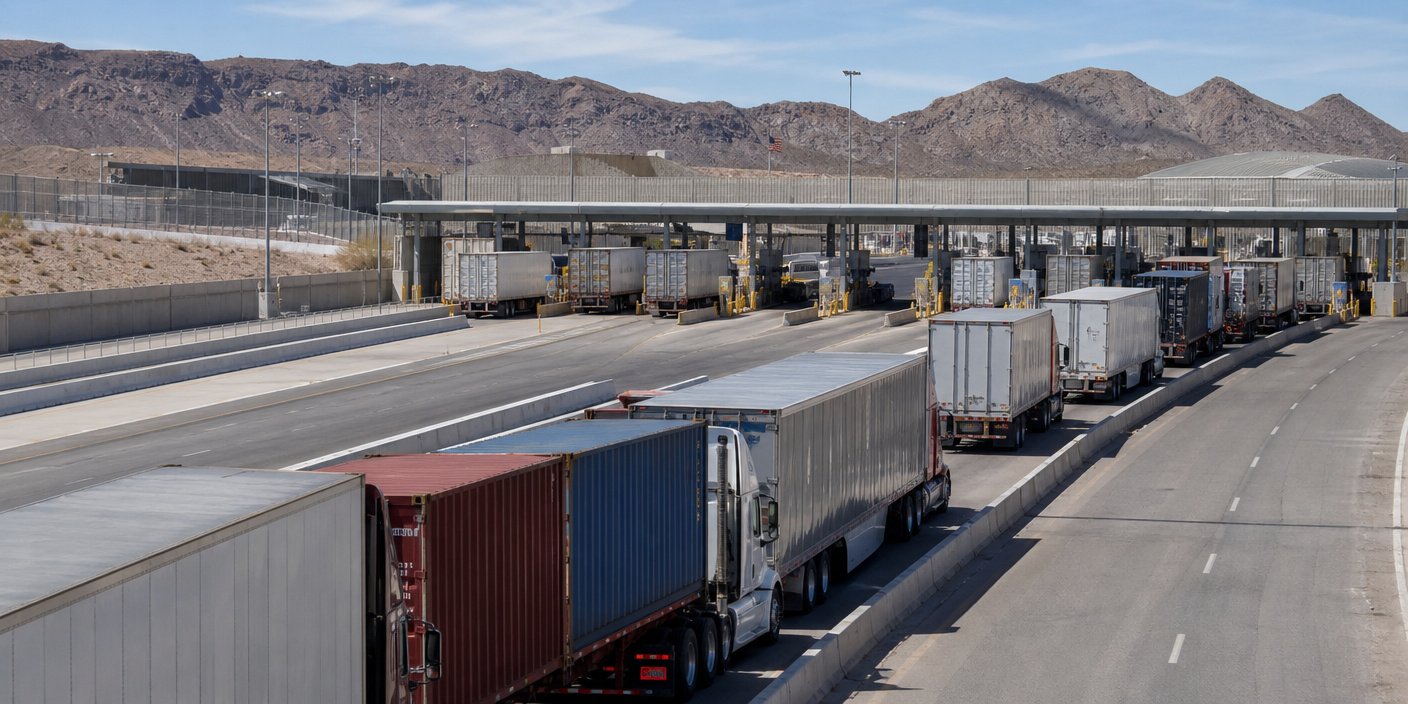
The Laredo Field Office is strategically vital due to its numerous ports of entry, including the World Trade Bridge, Juarez-Lincoln International Bridge, and Colombia Solidarity International Bridge. These crossings are among the busiest in the nation for both commercial and passenger traffic. Consequently, they are also prime targets for transnational criminal organizations seeking to smuggle narcotics, weapons, and other illicit goods into the United States. The recent methamphetamine seizure is not an isolated incident but rather an indicator of the relentless pressure these organizations exert, and the equally relentless efforts by CBP to counter them. The sheer quantity of drugs prevented from reaching American communities underscores the critical role CBP plays in national security and public health.
Combating Transnational Criminal Organizations
These interdictions are a direct blow to the financial operations of transnational criminal organizations (TCOs). Methamphetamine is a highly addictive and destructive substance, and its widespread availability contributes to significant societal costs, including increased crime rates, healthcare burdens, and addiction crises. By seizing such a substantial quantity of methamphetamine, CBP not only disrupts the supply chain but also denies TCOs the immense profits that fuel their illicit activities. This continuous effort is part of a broader, multi-agency strategy aimed at dismantling these organizations by targeting their financial infrastructure and operational capabilities. The success of these operations relies heavily on intelligence sharing and coordinated enforcement actions.
Future Outlook and Enforcement
CBP officials have reiterated their commitment to maintaining a strong presence and employing innovative strategies to counter evolving smuggling tactics. The agency continuously invests in cutting-edge technology, such as non-intrusive inspection systems and advanced screening tools, to enhance its interdiction capabilities. Furthermore, ongoing training and intelligence gathering are crucial to staying ahead of criminal elements. The significant volume of this recent seizure serves as a stark reminder of the ongoing threats at the border and the necessity for sustained vigilance and robust enforcement efforts to protect communities from the perils of illegal drugs. The fight against drug trafficking is a dynamic one, requiring constant adaptation and unwavering dedication from law enforcement personnel.
FAQ: People Also Ask
What is the primary function of CBP officers at ports of entry?
CBP officers at ports of entry are primarily responsible for enforcing U.S. laws and regulations concerning customs, immigration, and agriculture. Their duties include inspecting individuals and goods entering the country to prevent the illegal entry of people, contraband, and prohibited items, as well as collecting duties and taxes on imported goods.
How does CBP detect large quantities of drugs?
CBP utilizes a multi-layered approach that includes canine units trained to detect narcotics, advanced non-intrusive inspection (NII) technology like X-ray and gamma-ray scanners, radiation portal monitors, and intelligence-driven operations. Officers also rely on their experience and observation skills to identify suspicious individuals and shipments.
What are the consequences of being caught smuggling illegal drugs into the U.S.?
Individuals caught smuggling illegal drugs into the U.S. face severe legal consequences, including lengthy prison sentences, substantial fines, and asset forfeiture. The penalties vary depending on the type and quantity of drugs involved, as well as the individual’s criminal history.
How much methamphetamine was seized in total?
Over $72.3 million worth of methamphetamine was seized by CBP officers at the Laredo Field Office ports of entry over a single weekend.
What is the Laredo Field Office’s role in border security?
The Laredo Field Office plays a critical role in securing the approximately 370 miles of the U.S.-Mexico border within its jurisdiction. It manages multiple international bridges and land ports of entry, serving as a crucial hub for trade and travel, while simultaneously acting as a front line in the fight against illicit trafficking.