

San Antonio residents are facing a significant fiscal shift as the San Antonio City Council has granted an initial green light to a proposal aimed at addressing city budget needs through a combination of property tax hikes and increased fees for various city services. This pivot in municipal strategy arrives as city leadership grapples with inflationary pressures, growing infrastructure maintenance costs, and a tightening revenue environment for the 2026-2027 fiscal cycle. The move, characterized by officials as a necessary step to maintain core service delivery, has immediately sparked a broader conversation regarding the cost of living in the Alamo City.
Key Highlights
- Property Tax Hike: The City Council has formally approved the preliminary trajectory for a property tax rate increase to bolster the city’s general fund.
- Service Fee Expansion: Municipal fees for a range of public services, including permits and administrative processing, are slated for adjustment, aiming to shift more costs to direct users of these services.
- Budgetary Justification: Officials cite an urgent need to cover rising operational costs and public safety funding requirements that have outpaced current revenue projections.
- Next Steps: The proposal will now head to public hearings where residents will have the opportunity to voice concerns before a final vote is tallied in the coming weeks.
Balancing the Books: The Cost of San Antonio’s Fiscal Plan
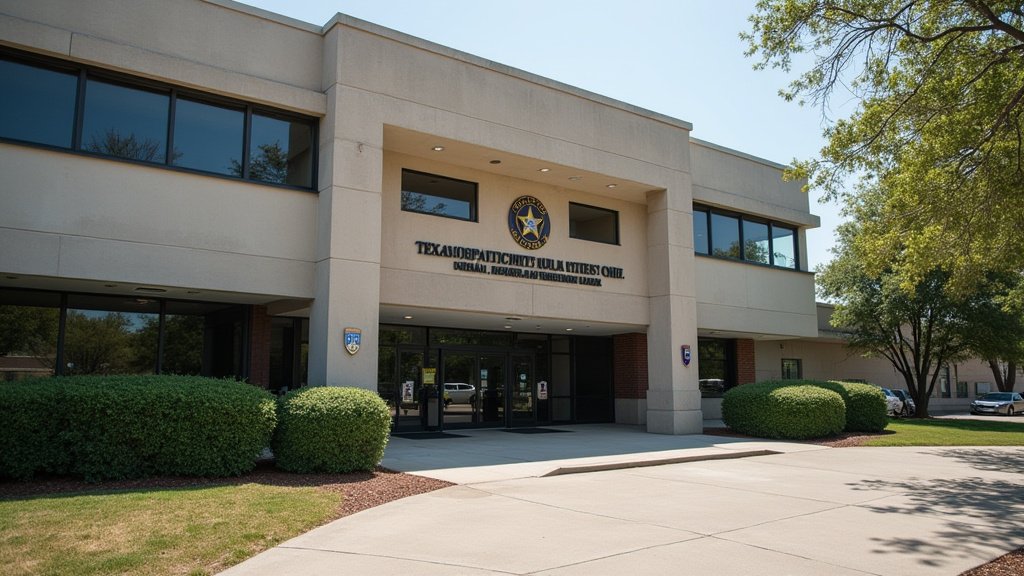
The decision to adjust the tax and fee structures in San Antonio is rarely taken lightly, and the atmosphere in City Hall on August 14, 2026, reflected the tension of balancing essential city services with the financial capacity of its taxpayers. As the San Antonio City Council maneuvers through the complexities of the current fiscal landscape, the narrative centers on structural deficits that threaten to undermine the quality of public amenities and essential services.
Analyzing the Property Tax Trajectory
Property taxes represent the largest single revenue stream for the city’s general fund. By authorizing an initial hike, the council is attempting to stabilize the budget against a backdrop of rising appraisal values and the subsequent demand for public expenditures. The proposed increase is designed to capture additional revenue without triggering the state-mandated election thresholds that often follow significant tax adjustments. For the average homeowner, this translates to a modest but noticeable increase in the annual tax bill. City officials maintain that this adjustment is the most reliable way to fund public safety departments—specifically police and fire services—which consume the largest portions of the municipal budget.
The Ripple Effect of Service Fee Hikes
Beyond property taxes, the decision to raise fees for municipal services represents a departure from tax-heavy reliance. By increasing the costs associated with city-issued permits, building inspections, and other administrative service fees, the city aims to ensure that those who consume specific services cover a larger share of the operational costs. This strategy is intended to prevent the general taxpayer from subsidizing private development or commercial activity. However, small business owners and residential contractors have expressed concern that these incremental increases could stifle local economic activity and increase the cost of home renovations and new commercial developments within city limits.
Council Priorities vs. Public Pushback
The divergence in opinion between city leadership and the public is palpable. While the City Manager’s office has presented detailed fiscal projections illustrating the dire consequences of inaction—including potential service degradation and reduced response times—taxpayer advocacy groups argue that the city has not done enough to identify internal cost savings. The upcoming public forums are expected to be contentious, as residents seek transparency on how these new revenues will be allocated. The challenge for the council is not only to secure the necessary funding but also to rebuild public trust by demonstrating tangible improvements in municipal efficiency and accountability. As inflation continues to impact household budgets, the council’s ability to justify these hikes against the backdrop of an uncertain economic future will be the defining political test of the current legislative term.
FAQ: People Also Ask
1. Why is the San Antonio City Council increasing fees and property taxes now?
City officials state that the increases are necessary to bridge a structural budget deficit caused by rising inflationary costs, infrastructure maintenance needs, and the necessity of funding public safety departments adequately in the 2026-2027 fiscal year.
2. Which specific city services will see fee increases?
The fee increases are primarily targeted at municipal administrative services, including building permits, inspection fees, and specific utility-related processing costs. This strategy aims to ensure that direct users of these services contribute more equitably to their operational costs.
3. Is the property tax hike final?
No. The City Council has provided an ‘initial green light,’ which signifies the beginning of the formal budgeting process. The proposal must undergo rigorous review and public hearings before a final, binding vote is taken by the council to adopt the new tax rate.
4. How will this affect small business owners?
Small businesses that rely on city permits or regular municipal inspections may see an increase in their operational overhead. Advocacy groups suggest this could lead to higher costs for consumers as businesses attempt to pass these expenses on to their customer base.