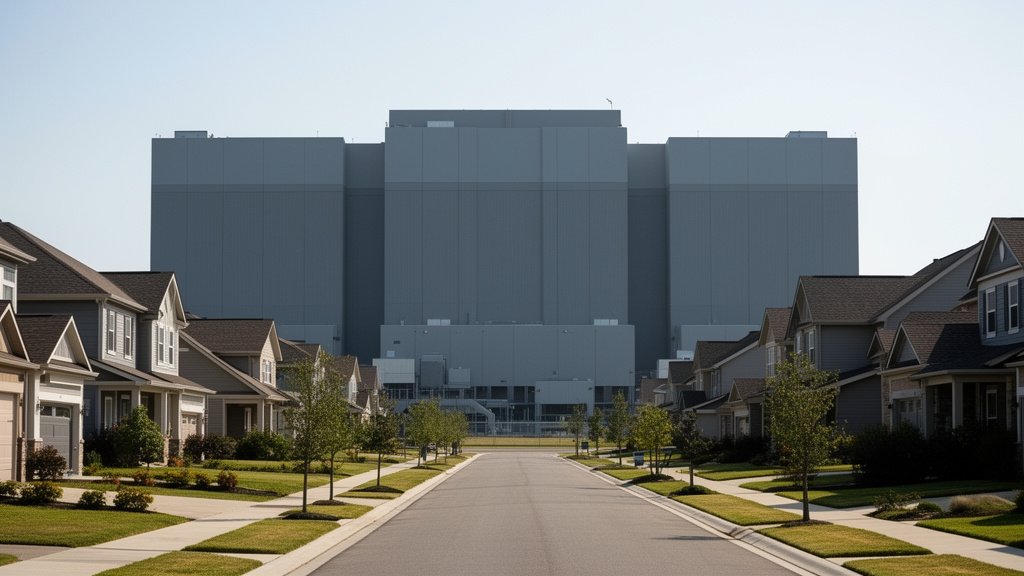

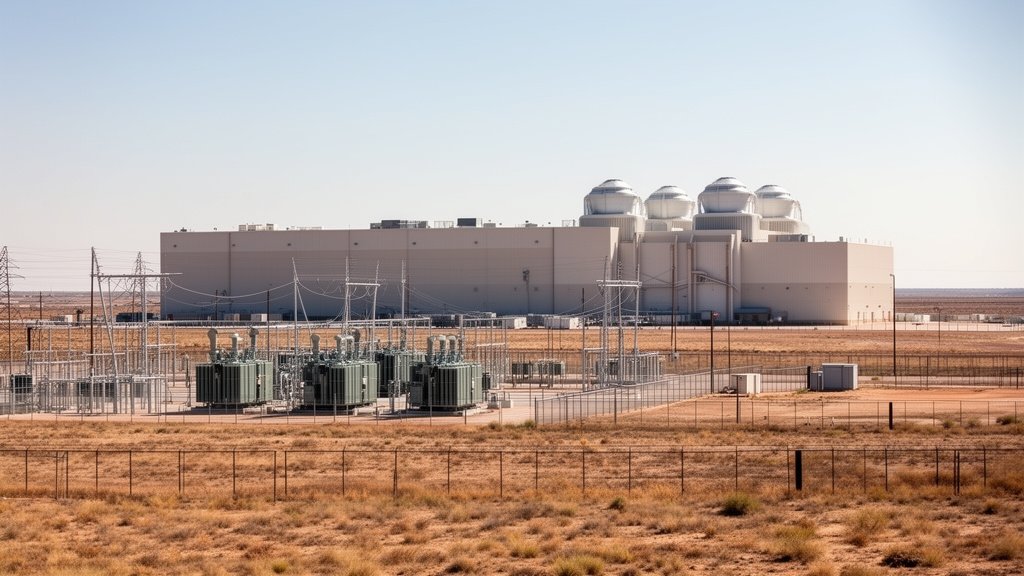
Governor Greg Abbott has ordered the Texas Commission on Environmental Quality (TCEQ) to cease the issuance of new air and water permits for data centers, establishing an immediate moratorium. This administrative pause is designed to provide the state with a necessary window to conduct comprehensive audits alongside the Electric Reliability Council of Texas (ERCOT) and the Texas Water Development Board (TWDB). The directive arrives at a critical juncture as the state balances the rapid expansion of high-tech digital infrastructure with the escalating demands on its essential utility systems.
Key Highlights
- Regulatory Pause: The TCEQ is now prohibited from approving new air or water quality permits for data center projects until further notice.
- Grid Integrity Focus: ERCOT will evaluate the impact of massive data center electricity load requirements on the resilience of the Texas power grid.
- Water Resource Assessment: The Texas Water Development Board will analyze the long-term sustainability of water consumption patterns required for industrial-scale server cooling.
- Strategic Pivot: This moratorium signals a shift toward prioritizing infrastructure capacity over rapid, unchecked industrial expansion in the technology sector.
Protecting Texas Utilities Amidst the AI Infrastructure Boom
The decision to halt permit processing for data centers represents a significant shift in Texas industrial policy. For years, the state has positioned itself as a premier destination for big-tech expansion, leveraging low taxes, accessible land, and a relatively deregulated business environment. However, the surge in demand from artificial intelligence (AI) and cloud computing has fundamentally altered the landscape, turning data centers into some of the largest consumers of both electricity and water resources.
The Grid Resilience Mandate
At the heart of the moratorium is the role of the Electric Reliability Council of Texas (ERCOT). The state’s power grid has been under intense scrutiny following extreme weather events in recent years. Data centers, which operate 24/7 and require massive amounts of constant power, are distinct from residential or commercial loads. These facilities are often ‘always-on,’ preventing the grid from shedding load easily during peak usage periods. By mandating an audit, Governor Abbott is effectively seeking to quantify how much of the grid’s reserve capacity is being swallowed by digital infrastructure, ensuring that household power needs and existing industrial commitments are not compromised by new entrants.
The Water-Cooling Challenge
While electricity consumption often dominates the conversation, water usage is a critical secondary factor. Modern data centers require substantial quantities of water for cooling systems, particularly evaporative cooling towers, to keep servers operational. In a state prone to drought and with varying groundwater availability, the Texas Water Development Board (TWDB) must now assess the cumulative impact of these massive water withdrawals. The moratorium ensures that permits are not granted in regions where local aquifers or water supply chains cannot support the intensity of data center operations without depriving agricultural or municipal sectors.
Economic and Industrial Implications
Balancing Growth and Infrastructure
The secondary, yet perhaps most pressing angle, is the economic tug-of-war. Texas has enjoyed an influx of billions of dollars in capital investment and thousands of jobs related to the tech sector. Advocates for the industry argue that slowing down permitting could drive developers to neighboring states with fewer restrictions. However, the state’s counter-argument is one of sustainability: a grid failure or a water shortage would have far more devastating economic impacts than a temporary pause on new construction.
The Future of Data Center Zoning
Industry experts anticipate that this audit will eventually lead to new zoning or regulatory requirements. We may see ‘data center corridors’ established in areas with excess power and water, rather than allowing developers to build wherever land is cheap. This could fundamentally alter real estate prices in regions like the I-35 corridor or the Dallas-Fort Worth metroplex. Future developers may also be required to invest in onsite power generation or water reclamation technologies as a prerequisite for permitting.
Environmental and Sustainability Metrics
The audit process is also expected to incorporate environmental impact assessments more deeply. As Texas continues to transition its energy mix, the integration of data centers must align with state-wide sustainability goals. The current pause allows the state to re-evaluate whether current permitting protocols are robust enough to handle the sheer scale of the ‘hyper-scaler’ data centers currently being proposed. This is a move toward a ‘smart growth’ strategy that treats infrastructure as a finite resource, rather than an infinite utility.
FAQ: People Also Ask
Is this moratorium permanent?
No, the directive establishes a pause to facilitate specific audits by ERCOT and the Texas Water Development Board. It is intended to be a temporary measure while the state reviews the impact of data centers on infrastructure capacity.
Which organizations are involved in the audit?
The audit is being conducted by the Texas Commission on Environmental Quality (TCEQ), the Electric Reliability Council of Texas (ERCOT), and the Texas Water Development Board (TWDB).
Does this impact existing data centers?
The moratorium applies to the issuance of new air and water permits. Facilities that already possess the necessary permits or are already operational are generally not subject to the immediate halting of their current activities, though they may be part of the long-term policy review.
Why are data centers such high consumers of water?
Data centers use water primarily for cooling. Large-scale server farms generate immense heat, and liquid cooling systems, specifically evaporative cooling towers, use significant volumes of water to regulate temperatures and keep hardware within safe operating limits.