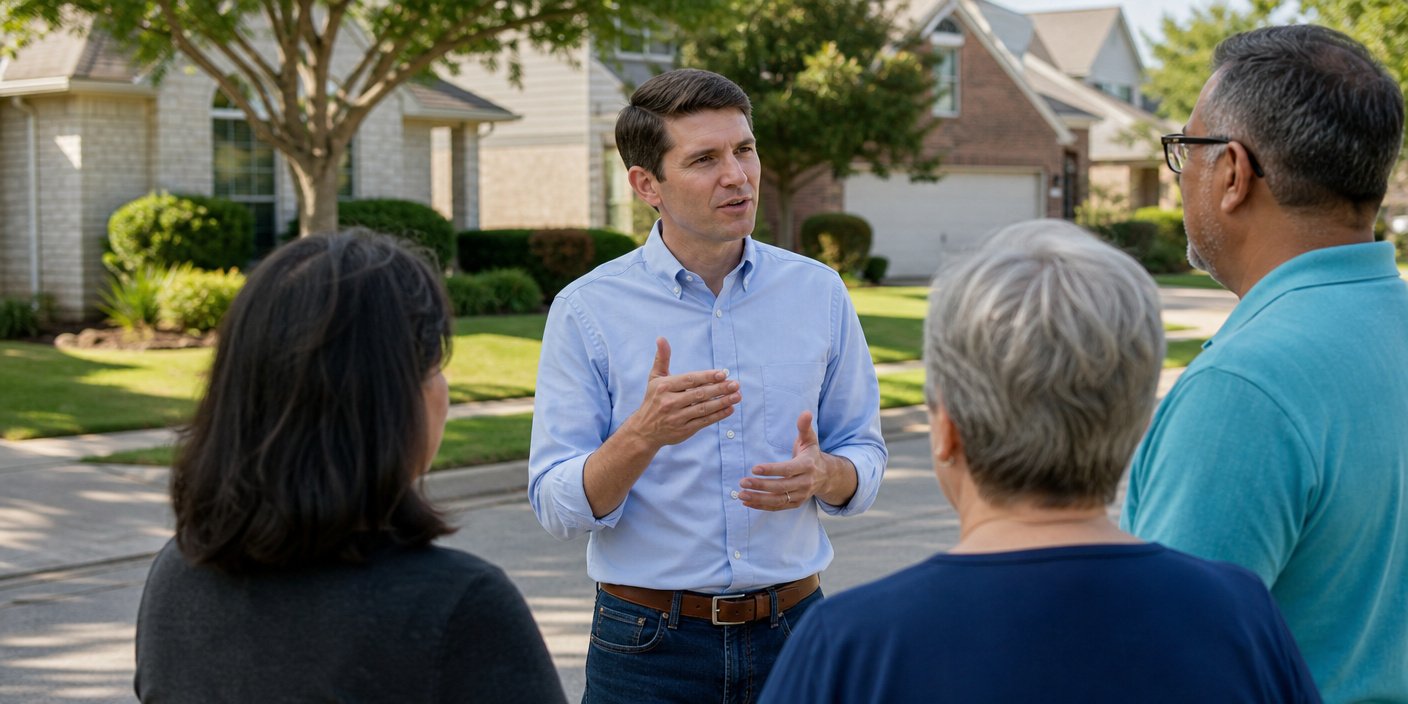

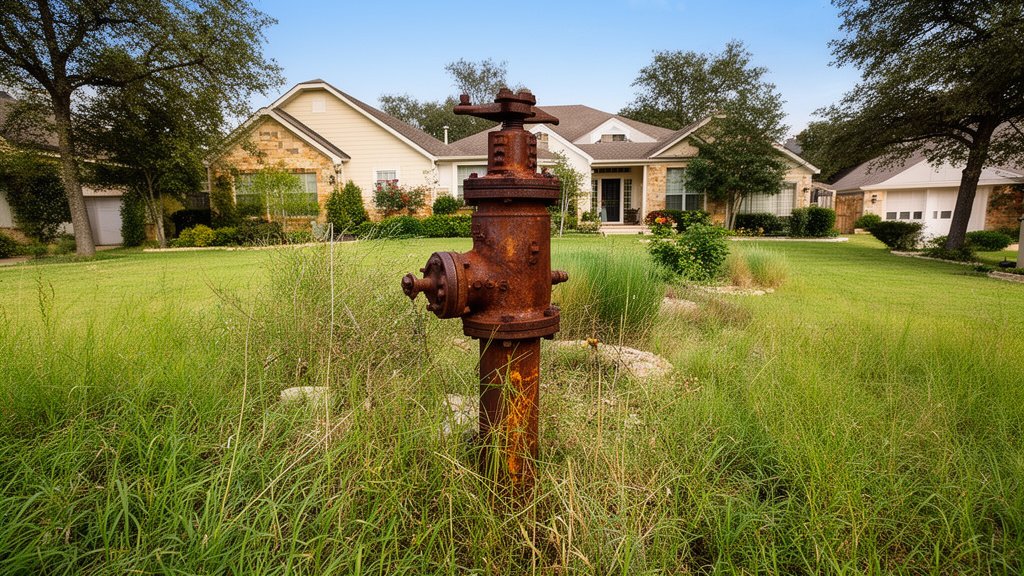
For residents at the Preserve at Medina in San Antonio, the allure of a quiet, modern subdivision was supposed to be the hallmark of the American Dream. That dream, however, has been punctuated by a recurring, environmental, and financial nightmare. Tucked away within the manicured landscaping and residential infrastructure lies an unwelcome reminder of Texas’s industrial past: a leaking, abandoned oil well that has turned the neighborhood into a case study for the volatile intersection of residential development and neglected energy infrastructure.
The Preserve at Medina Crisis
The situation at the Preserve at Medina is not an isolated incident of bad luck; it is a symptom of a larger, systemic oversight within Texas land use policy. Residents have reported persistent chemical odors, concerns over air quality, and the looming fear of soil contamination right outside their backyards. The leaking oil well—an “orphan” or “abandoned” well—represents a failure of historical mapping and modern zoning oversight. When developers break ground on new suburban tracts, they often rely on legacy maps that are decades, sometimes nearly a century, out of date. This creates a lethal “hide-and-seek” scenario where dormant, potentially hazardous industrial sites are paved over or built around, only to reactivate or leak years after families move in.
The Regulatory Labyrinth: RRC and TCEQ
At the center of this controversy is the Railroad Commission of Texas (RRC), the state agency tasked with regulating oil and gas exploration. The RRC faces mounting pressure to not only track but actively remediate these hazards. However, the agency often struggles with a massive backlog of orphan wells—wells that have no financially viable owner to hold accountable for plugging or cleanup.
When a well is discovered within an active subdivision, the legal and regulatory framework becomes incredibly complex. Who pays for the remediation? Is it the developer who failed to disclose the well, the previous mineral rights holder, or the state through its Orphan Well Program? For the residents of the Preserve at Medina, these questions are not theoretical; they are daily concerns that impact property values and quality of life. The collaboration—or lack thereof—between the RRC and the Texas Commission on Environmental Quality (TCEQ) creates a circular regulatory loop where residents struggle to find a single point of accountability.
The Deeper Crisis: A State of Abandonment
The Anatomy of an Orphan Well Epidemic
To understand why this is happening in a modern San Antonio subdivision, we must look at the sheer scale of the issue. Texas is home to tens of thousands of orphaned oil and gas wells. Many of these date back to the early 20th century, before modern environmental regulations were codified. These wells, which were often capped with nothing more than mud, rocks, or concrete-filled trash, are susceptible to failure as the materials degrade over time. When groundwater levels shift or seismic activity occurs, these subterranean pressure vessels can begin to vent gases like hydrogen sulfide, methane, or, in the case of the Preserve at Medina, liquid hydrocarbons, directly into the soil.
Economic and Health Impacts
The presence of an active, leaking well has tangible consequences. First, there is the potential health hazard. Hydrogen sulfide (H2S) is toxic even at low levels, causing respiratory issues, headaches, and nausea. Methane leaks present an even more direct, explosive risk. Beyond the physical safety concerns, the economic impact is immediate and devastating. Potential homebuyers are naturally wary of properties with “environmental encumbrances.” Even if the RRC performs a remediation project, the stigma of a “leaking well property” can persist, suppressing resale values and complicating insurance policies. For many families, their home is their largest asset, and the discovery of a nearby leak can erase years of equity gains overnight.
The Future of Development and Oversight
Looking forward, the Preserve at Medina situation serves as a warning for future urban expansion. The rapid growth of San Antonio and the surrounding Hill Country means that developers are constantly pushing the boundaries of cities into areas that were previously sprawling, unmapped oil fields.
1. Stricter Permitting: Municipalities must mandate higher-resolution geophysical surveys before approving residential zoning. Reliance on legacy RRC maps is no longer sufficient.
2. Financial Assurance: Developers may soon be required to carry higher bond amounts to cover the cost of potential abandoned well discoveries, shifting the financial risk from the homeowner to the entity profiting from the development.
3. Public Transparency: Homeowners need clear disclosure laws that force developers to reveal the presence of all plugged and abandoned wells on land plots before a purchase agreement is signed.
Without these structural changes, the “annoying neighbor” of a leaking well will continue to show up in subdivisions across Texas, turning the suburban dream into a reminder of the state’s industrial, often unaddressed, past.
FAQ: People Also Ask
Q: How can a developer build on top of an old oil well?
A: Often, it is not intentional. Developers use RRC maps to identify known wells, but many old wells were never recorded, or their locations were miscalculated by decades-old surveying equipment. By the time the error is discovered, the homes are already built.
Q: What are the health risks of a leaking oil well near my home?
A: The primary risks include exposure to volatile organic compounds (VOCs) and hazardous gases like hydrogen sulfide and methane. These can cause immediate symptoms like headaches, dizziness, and respiratory irritation, and long-term exposure can pose more severe health risks.
Q: Who is responsible for paying for the cleanup of an abandoned well?
A: If a “responsible party” (the original operator) can be identified, they are legally liable. If the well is truly “orphaned” (no owner can be found), the Railroad Commission of Texas utilizes the Oil and Gas Regulation and Cleanup Fund to plug and remediate the site.
Q: Can I check if my home is near an old oil well?
A: Yes, the Railroad Commission of Texas provides an online Public GIS map viewer. Homeowners can input their address to see if any known recorded wells exist on or near their property, though this does not guarantee accuracy for unrecorded historical wells.