

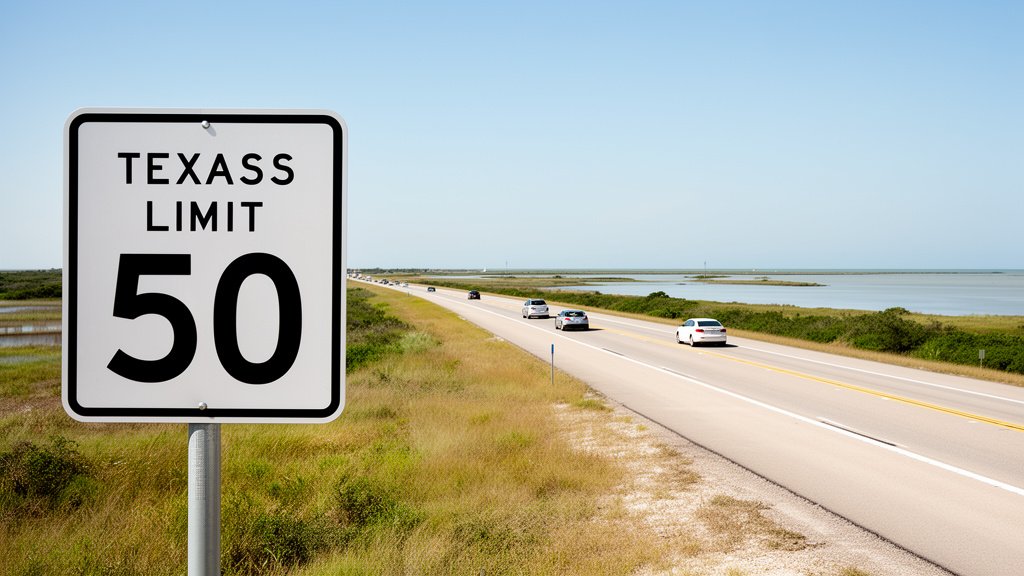
The Texas Department of Transportation (TxDOT) has officially initiated a speed reduction mandate on Highway 361, dropping the speed limit from 60 mph to 50 mph. This critical infrastructure change, effective immediately, arrives as a direct response to a harrowing series of three deadly crashes that occurred along the corridor throughout August 2026.
For residents, commuters, and tourists navigating the vital artery connecting Corpus Christi and Port Aransas, the change represents a significant shift in traffic policy. The move is designed to mitigate the risks associated with the high-traffic, geographically challenging coastal route, which has faced intense scrutiny regarding Texas Highway 361 safety protocols following the recent spike in fatalities.
The Regulatory Shift and Immediate Impact
The decision to lower the speed limit by 10 mph is not merely a bureaucratic adjustment but a tactical intervention intended to create safer reaction times for drivers. Highway 361 is notoriously susceptible to fluctuating weather conditions, shifting sands, and, during peak season, an influx of tourists unfamiliar with the road’s specific idiosyncrasies. TxDOT crews have been mobilized to replace signage along the corridor, with the new 50 mph limit taking precedence immediately to curb the velocity of traffic flowing into the Port Aransas area.
This reduction aims to address the ‘velocity-incident’ correlation that has plagued the area throughout the summer. By forcing a deceleration, officials hope to minimize the severity of potential impacts, turning what might be a high-speed collision into a survivable traffic event. Engineering studies cited by local safety boards suggest that a 10 mph reduction can significantly widen the field of vision for drivers, particularly when navigating the specific intersection points where the most recent fatalities occurred.
Examining the Corridor: A Geography of Risk
To understand why these changes are so urgent, one must look at the unique topography of Highway 361. The roadway functions as a lifeline for the barrier islands, but it acts as a funnel for thousands of vehicles daily. Unlike standard highway infrastructure, this stretch is characterized by its proximity to the coastline, which brings unique hazards: sudden gusts of wind, blowing sand, and a high volume of heavy vehicles and golf carts sharing the space with passenger cars.
Recent analysis indicates that the road design, while efficient for logistics, has struggled to keep pace with the surge in post-pandemic tourism. The August 2026 accidents highlighted that the speed differential between locals and visitors often creates dangerous pockets of congestion and erratic lane-changing behavior. As the roadway approaches key access points, the speed disparity has historically led to rear-end collisions—a primary focus of the new safety mandate.
Enforcement and the Role of Public Safety
Beyond engineering changes, the Texas Department of Public Safety (DPS) has announced a ramped-up enforcement campaign. The DPS presence on the corridor has been bolstered significantly, with troopers conducting proactive patrols to ensure compliance with the new speed limits. This ‘zero-tolerance’ approach is intended to signal to the motoring public that the enforcement agency is prioritizing the safety of the corridor above traffic throughput.
Troopers are expected to focus heavily on distracted driving and speed limit violations, particularly in the transitions where the speed drops from open-highway speeds to the tighter municipal restrictions near town entryways. For many, this visible increase in law enforcement is a welcome relief, though some business leaders in Port Aransas have expressed concerns regarding potential traffic bottlenecks created by stricter adherence to the slower speed limits during peak vacation hours.
Secondary Angles: Economic Impact and Long-term Infrastructure
While the primary conversation is focused on safety, the long-term economic and logistical implications for the Corpus Christi-Port Aransas connection remain a secondary concern. Traffic flow is the lifeblood of the coastal tourism economy. If the new speed limits cause significant, sustained backups, the local economy may feel the ripple effects. However, officials argue that the cost of inaction—measured in human lives—far outweighs the frustration of a longer commute.
Furthermore, this incident invites a broader discussion on the future of regional infrastructure. Experts suggest that beyond simple speed reductions, the long-term solution may require permanent physical dividers and improved lighting systems. The current ‘band-aid’ approach of lowering speeds may serve as a temporary stabilization measure while TxDOT reviews more permanent civil engineering upgrades to handle the projected traffic volume for the next decade.
Finally, the incident has sparked a local debate regarding the ‘culture of speed’ on coastal roads. Residents are calling for a permanent reassessment of how Highway 361 is classified, moving it closer to a managed parkway style, which could include more aggressive traffic calming measures rather than relying solely on signage enforcement. As the state monitors the effectiveness of the 50 mph limit through the remainder of the year, data will determine whether these changes become permanent or if further engineering interventions are required.