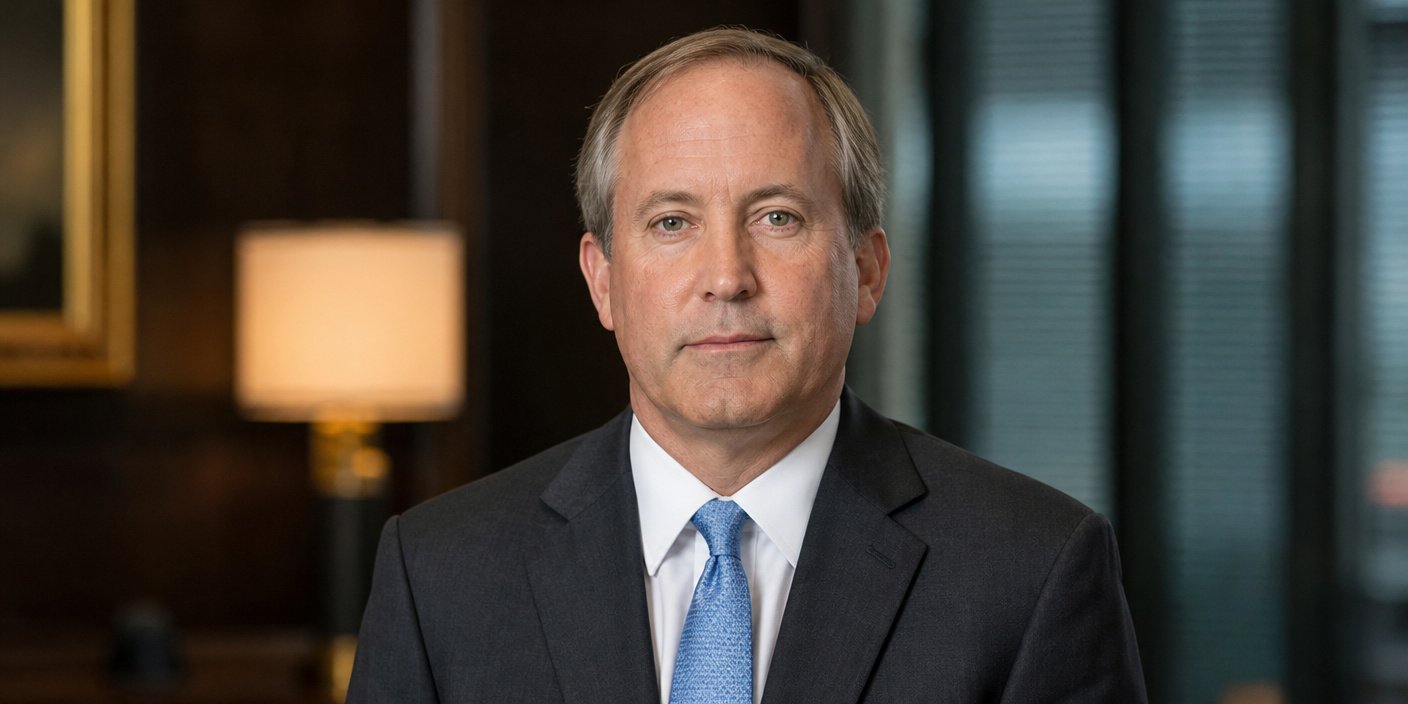

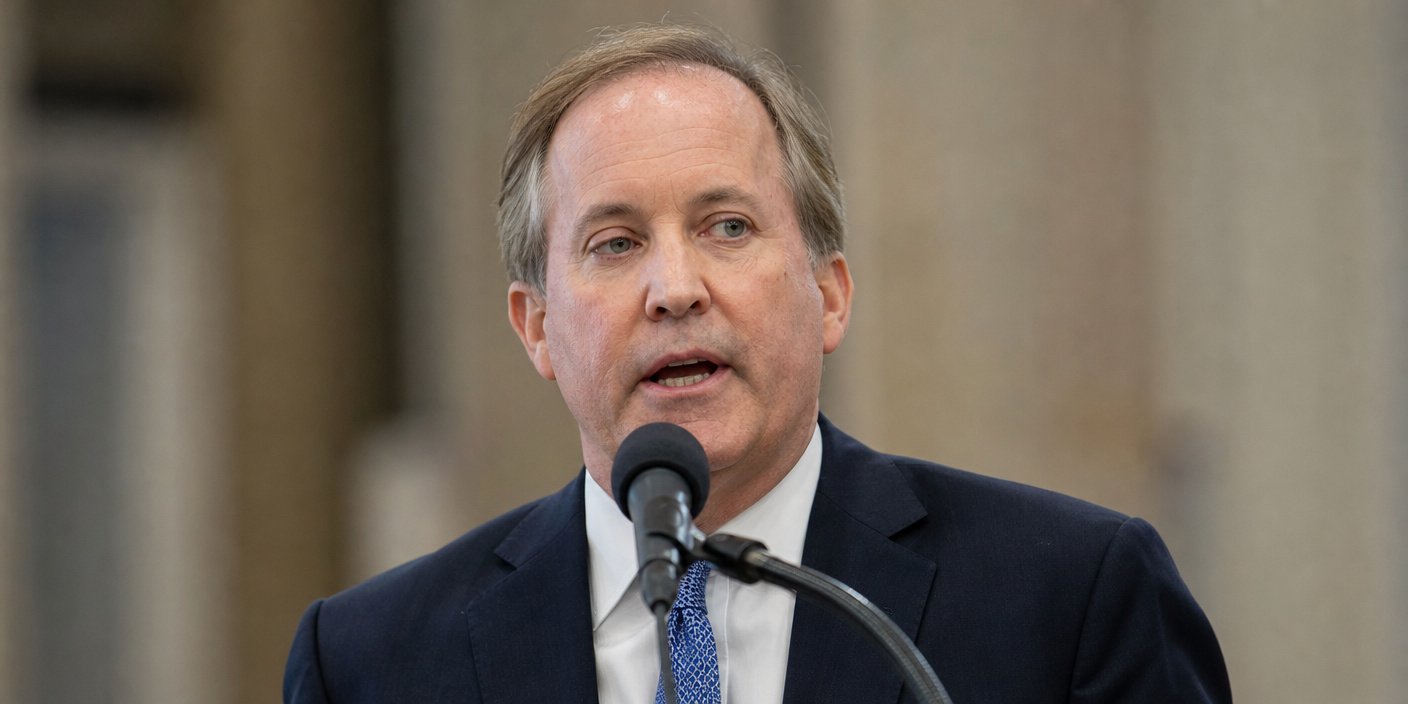
In an aggressive escalation of the 2026 Texas U.S. Senate race, the Texas Forever Super PAC has officially reported a staggering $5.85 million in new expenditures. This significant financial commitment is dedicated entirely to opposing Republican nominee Ken Paxton, marking one of the earliest and most substantial displays of opposition spending in the current election cycle. By leveraging sophisticated digital advertising campaigns managed by Gambit Strategies, the PAC aims to saturate the information ecosystem, signaling that the race for the Texas Senate seat will be defined by high-frequency, precision-targeted digital warfare.
Key Highlights
- Massive Expenditure: The Texas Forever Super PAC has funneled $5.85 million into an anti-Paxton initiative.
- Strategic Execution: Campaign operations are being orchestrated by Gambit Strategies, a firm specializing in high-impact digital advertising.
- 2026 Outlook: This move represents a major escalation in the 2026 Texas U.S. Senate race, underscoring the intensity of the Republican internal contest.
- Digital Saturation: The focus remains on data-driven digital media placements, signaling a shift away from traditional broadcast dominance.
The Anatomy of a High-Stakes Digital Campaign
The decision by the Texas Forever Super PAC to deploy $5.85 million so early in the cycle is a strategic gamble designed to frame the narrative before opponents can effectively respond. In modern political discourse, the first mover often sets the tone, and this multi-million dollar injection into digital advertising suggests an intent to force Ken Paxton onto the defensive immediately. The involvement of Gambit Strategies indicates a focus on programmatic advertising—using algorithms to place ads in front of specific, persuadable voter segments across social media, streaming platforms, and web display networks.
Targeting the Digital Information Ecosystem
Unlike traditional cable television buys, which offer broad, less-targeted exposure, the current strategy focuses on precision. By utilizing Gambit Strategies, the Super PAC is likely capturing real-time data on voter engagement, allowing them to iterate on their messaging based on performance metrics. This allows for rapid-response advertising that can adapt to changing headlines or voter sentiment. The $5.85 million sum is not merely a “blitz” but an sustained, long-term pressure campaign designed to maintain constant visibility in the digital feeds of the Texas electorate.
The 2026 Texas Senate Map
Texas has become a focal point of national political attention, and the 2026 Senate race is shaping up to be an expensive, complex battle. The financial firepower directed at Paxton highlights the deep fissures within the Republican infrastructure in Texas. This investment suggests that external organizations are not waiting for the traditional primary season to begin but are instead looking to define the candidates months, if not years, in advance. This “always-on” campaign model is becoming the new standard for high-profile federal races, as organizations seek to maximize their influence over a distracted and fragmented media audience.
The Role of Super PACs in Modern Primaries
This spending also highlights the evolving role of Super PACs. By operating independently of the official campaign committees, the Texas Forever Super PAC can leverage unlimited contributions to run messaging that the official campaign might avoid due to FEC coordination restrictions. This dynamic allows for a more aggressive, negative, and uncompromising tone, as these entities are not bound by the same standards of “candidate-approved” messaging. The $5.85 million spent against Paxton is a clear indicator that the 2026 race will be characterized by a significant influx of independent expenditure funds, further complicating the financial landscape for every candidate involved.
Secondary Angles: Understanding the Wider Context
1. The Erosion of the ‘Quiet Period’
Historically, candidates used early periods in an election cycle to build ground operations and fundraising networks. The current spend suggests the end of this “quiet period.” With such heavy digital spending, the public perception of candidates is now being formed by outside groups long before the candidates themselves can fully articulate their platforms. This shifts the power from the campaign trail to the digital advertising dashboard.
2. Digital Fatigue and Voter Psychology
With $5.85 million fueling a targeted digital campaign, the risk of “voter fatigue” becomes a genuine concern. Constant bombardment on social media and streaming platforms can lead to a negative association with the entity being attacked, but it can also lead to a general sense of cynicism among the electorate. The challenge for the Texas Forever Super PAC will be sustaining the message without causing the intended audience to tune out.
3. Paxton’s Political Durability
Ken Paxton has historically demonstrated a significant level of political resilience in the face of intense opposition. The effectiveness of this $5.85 million expenditure remains to be seen. If the strategy fails to shift public opinion, it could embolden Paxton’s supporters, framing him as a candidate who is being targeted by “out-of-state” or “establishment” interests, which has historically been a successful narrative in Texas Republican primaries.
FAQ: People Also Ask
Q: What is the primary objective of the Texas Forever Super PAC’s $5.85 million spend?
A: The primary objective is to oppose Ken Paxton in the 2026 Texas U.S. Senate race. By investing this amount early, the PAC seeks to influence voter sentiment and define the narrative surrounding his candidacy through high-frequency digital advertising.
Q: Who is managing the digital advertising for this campaign?
A: The advertising strategy is being managed by Gambit Strategies, a firm known for handling complex, data-driven political digital media campaigns.
Q: Why is this expenditure considered an escalation?
A: The timing and the sheer volume of the $5.85 million early in the cycle signal that the 2026 primary race will be significantly more aggressive and expensive than previous contests, prioritizing digital saturation over traditional campaign methods.