
President Donald J. Trump has formally approved a major disaster declaration for the state of Texas, clearing the way for critical federal support to assist with recovery efforts following a series of devastating weather events. The declaration, which comes in response to severe storms, straight-line winds, tornadoes, and widespread flooding, triggers immediate federal aid for 19 specified counties that suffered extensive damage starting on July 12, 2026.
Key Highlights
- Federal Authorization: A Major Disaster Declaration has been granted for Texas to support local recovery efforts following severe weather beginning July 12, 2026.
- Targeted Aid: The declaration specifically authorizes Public Assistance funding for 19 counties, including Bandera, Kerr, and Uvalde.
- Scope of Damage: The federal funding addresses damages caused by a combination of tornadoes, high-velocity straight-line winds, and severe flooding.
- Deployment: Federal agencies, including FEMA, are mobilized to assist local government entities in infrastructure repair and emergency debris removal.
Federal Relief Mobilized for Texas Recovery
The approval of this major disaster declaration marks a significant escalation in the federal response to the climate-related crises that struck Texas earlier this month. By designating the situation a major disaster, the administration has unlocked the Public Assistance program, which is designed to reimburse state and local governments for the cost of emergency work and the repair or replacement of public infrastructure destroyed during the severe weather event.
Assessing the Devastation
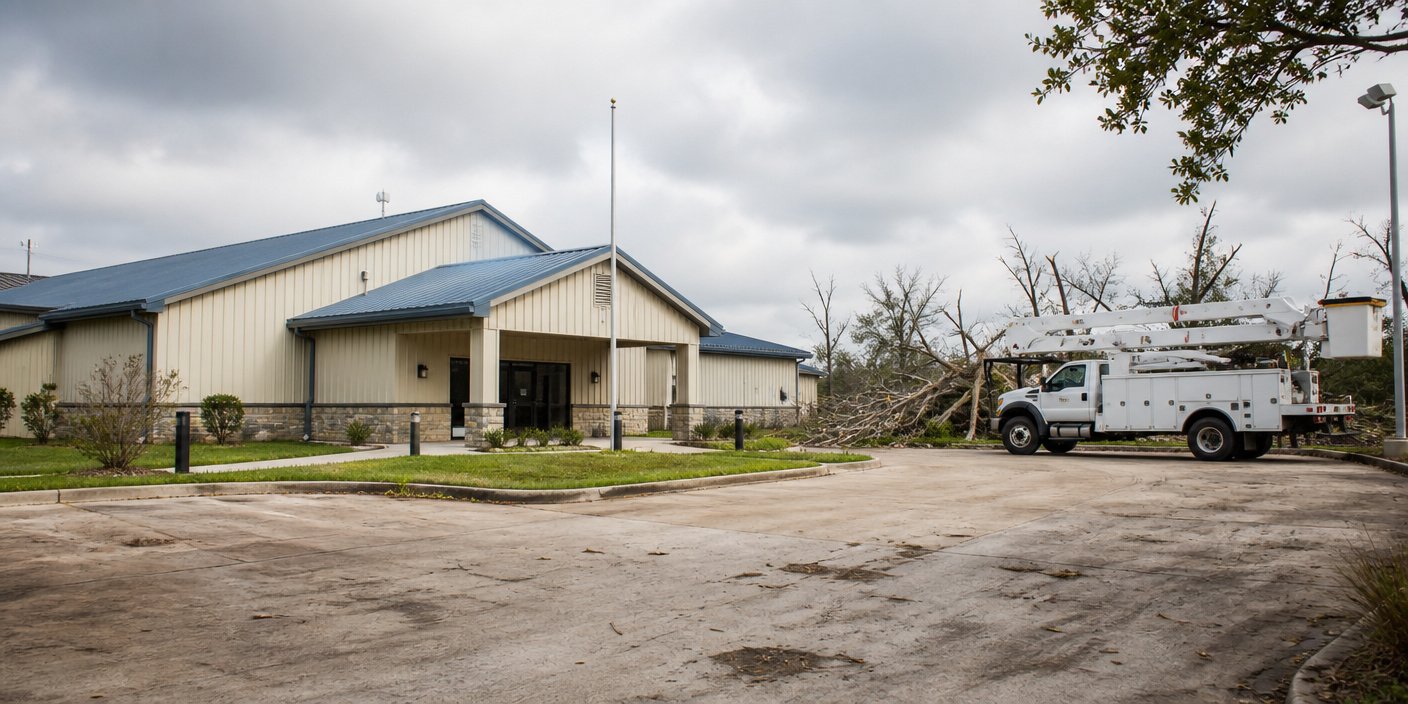
The storm systems that swept through the region beginning July 12, 2026, left a trail of destruction that overwhelmed local resources. The combination of atmospheric instability led to powerful tornado touchdowns and severe flooding that compromised essential infrastructure, including roadways, public utilities, and municipal buildings. The impact on rural and semi-rural counties like Bandera, Kerr, and Uvalde has been particularly acute, as these areas often have limited tax bases to absorb the sudden costs associated with major emergency response and reconstruction.
The Role of Public Assistance
Public Assistance is one of the most critical tools in the federal disaster response toolkit. Unlike Individual Assistance, which directly helps residents, the Public Assistance funding authorized in this declaration is aimed at the “public” sector. This includes the removal of debris, which is often the first and most costly step in the recovery process, as well as the restoration of public facilities such as schools, bridges, and water systems. With this declaration, local jurisdictions can now seek federal cost-sharing agreements, typically covering 75% of eligible costs, significantly lowering the financial burden on Texas taxpayers.
Strategic Secondary Angles
1. Infrastructure Resilience: This event highlights the ongoing debate regarding the resilience of Texas’s rural infrastructure. Experts are looking at this recovery phase as an opportunity to not just rebuild what was broken, but to implement “better-than-before” standards that can withstand the increasingly severe weather patterns observed in the region.
2. Economic Impacts on Regional Agriculture: While the focus remains on physical infrastructure, the agricultural impact in these 19 counties is substantial. Economists are monitoring the ripple effects on local food supply chains and ranching operations, which may require separate, additional agricultural relief programs beyond the current FEMA declaration.
3. Inter-Agency Coordination: The efficiency of this deployment serves as a stress test for current federal-state disaster protocols. The collaboration between the Texas Division of Emergency Management (TDEM) and the federal government is being watched closely to see how quickly resources can be mobilized to these specific, geographically dispersed counties.
FAQ: People Also Ask
What does a ‘Major Disaster Declaration’ actually mean?
It is a formal designation by the President of the United States that triggers federal aid programs under the Stafford Act. It enables FEMA and other federal agencies to provide direct financial and technical assistance to state and local governments.
What is ‘Public Assistance’ funding?
Public Assistance (PA) funding provides financial support for state and local government entities (and certain private non-profits) to cover the costs of emergency protective measures, debris removal, and the repair or replacement of public infrastructure.
Which counties are affected?
While the full list includes 19 counties, the primary areas identified in the initial approval include Bandera, Kerr, and Uvalde, which saw significant impacts from the July 12, 2026, storms.
How long does this support last?
FEMA maintains an active presence until the authorized tasks are completed. The timeframe varies based on the severity of the damage, often spanning several months to years for large-scale infrastructure projects.