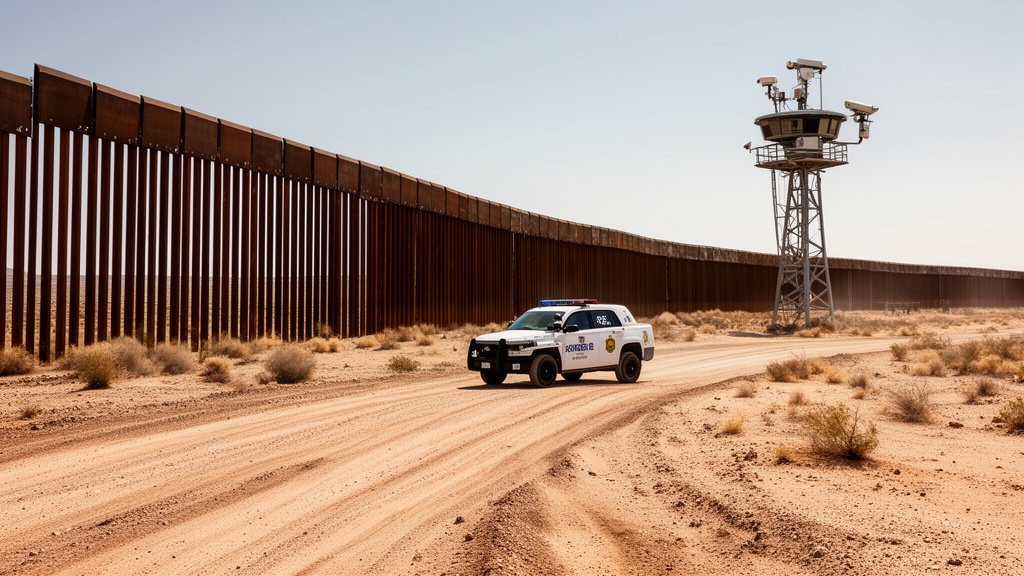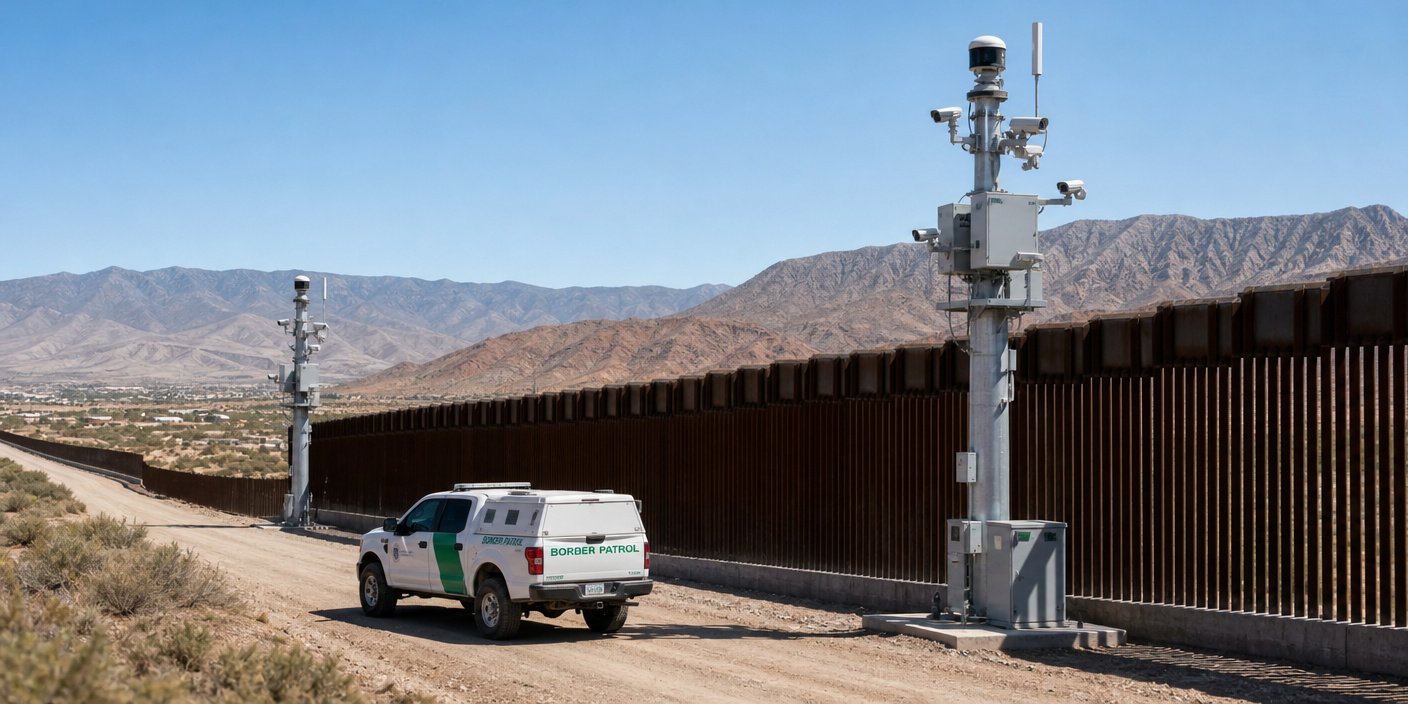

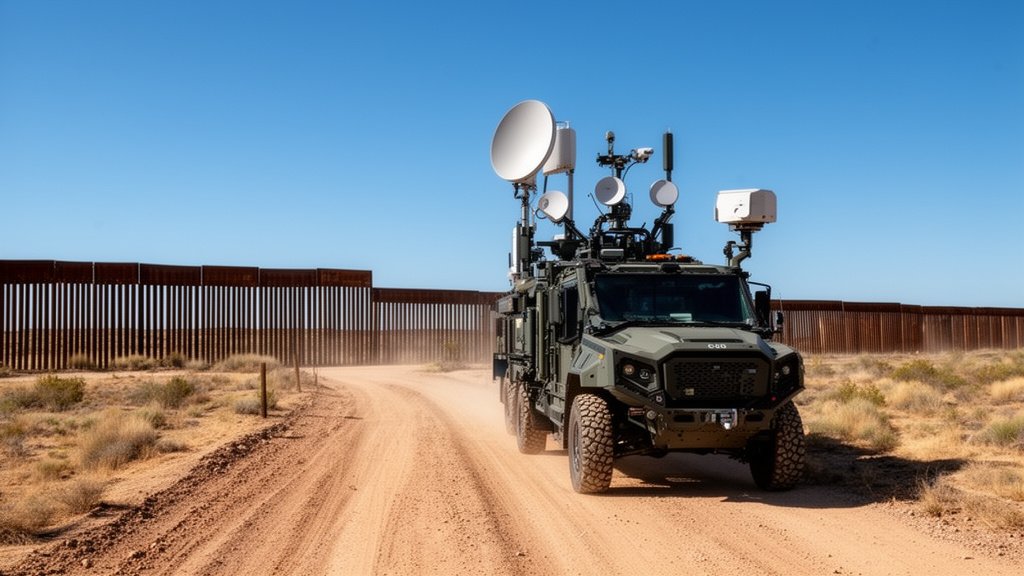
The U.S. government has officially activated a sweeping set of temporary flight restrictions (TFR) across the U.S.-Mexico border, marking a major escalation in the digital defense of national airspace. By leveraging the combined resources of the Department of Transportation (DOT), Department of Defense (DoD), and the Department of Homeland Security (DHS), federal authorities are now enforcing strict limits on unauthorized drone activity. These measures, which extend one nautical mile north of the border and cap altitude at 400 feet, represent a direct response to the increasing use of sophisticated, drone-based surveillance by transborder criminal organizations. This move signifies a pivotal shift in border security strategy, moving beyond physical infrastructure to focus on the contested, low-altitude skies.
Key Highlights
- Strict Geographic Limits: A mandatory 1-nautical-mile buffer zone north of the border is now under active flight regulation.
- Altitude Ceiling: All unauthorized drone operations are capped at 400 feet above ground level to prevent high-altitude smuggling and reconnaissance.
- Inter-Agency Coordination: The directive is a joint operation between the DOT, DoD, and DHS, unifying federal oversight of border airspace.
- National Security Priority: The initiative targets cartel threats and illegal surveillance that exploit gaps in traditional border monitoring.
The New Digital Border: Countering Aerial Threats
The introduction of these flight restrictions is not merely a bureaucratic change; it is a tactical response to a clear and present threat. For years, criminal syndicates operating along the southern border have increasingly pivoted toward Unmanned Aircraft Systems (UAS) to bypass traditional surveillance. These entities have utilized drones to monitor U.S. law enforcement patrols, identify gaps in physical barriers, and facilitate the illicit movement of narcotics and human trafficking operations. By controlling the skies, cartels have effectively created an intelligence advantage that federal agencies are now moving to neutralize.
Mechanics of the Mandate
The regulatory framework, enacted through the Federal Aviation Administration (FAA)—a key component of the DOT—establishes a “no-fly” environment for unauthorized drones within the designated corridor. The selection of the 1-nautical-mile threshold is strategic; it provides a sufficient buffer for law enforcement to identify and intercept non-compliant aircraft before they cross into deep domestic territory. By capping operations at 400 feet, the directive creates a “clean zone” for monitoring, ensuring that any craft operating above this altitude or within the prohibited proximity can be immediately flagged as a potential threat by regional C-UAS (Counter-Unmanned Aircraft Systems) technology.
C-UAS Technology Integration
The implementation of these restrictions coincides with a massive investment in C-UAS infrastructure. Border security is no longer limited to sensors on the ground or cameras on towers; it now involves sophisticated electronic warfare capabilities. These systems are designed to detect, track, and, in some instances, disrupt the signal protocols used by commercial and custom-built drones. The ability to enforce this TFR relies heavily on the integration of radar, radio-frequency sensors, and optical tracking systems operated by Customs and Border Protection (CBP) and the DoD. This technology allows federal agents to see the digital signature of an illicit drone long before it approaches the buffer zone.
The Cartel Aerial Pivot
Intelligence reports have indicated that criminal organizations have evolved from using drones as a simple “eyes-in-the-sky” tool to employing them for more complex logistical maneuvers. Cartels are deploying high-end, long-range drones with encrypted communication links to relay movement data from U.S. border patrols back to their handlers in real-time. This “intelligence-led smuggling” has allowed organizations to minimize their risk of interdiction significantly. The government’s new TFR is a decisive attempt to disrupt this intelligence stream. By stripping these organizations of their aerial visibility, the U.S. government intends to force illicit activity back into the open, where it can be more easily tracked and prosecuted using traditional ground-based assets.
Future Implications: Airspace Sovereignty
The imposition of these restrictions highlights a growing trend: the militarization of airspace management in civilian-adjacent zones. As drone technology continues to become more accessible, cheap, and technologically advanced, the capacity for non-state actors to challenge sovereign airspace will likely grow. Experts suggest that these current restrictions may serve as a testing ground for more permanent, robust drone defense policies that could eventually extend across other sensitive national borders. The challenge moving forward will be balancing these security needs with the legitimate needs of legal, civilian drone operators in the border region. The federal government has indicated that they will maintain a rigorous vetting process to distinguish between commercial, research, and criminal drone activity, ensuring that the “digital wall” is as effective as it is precise.
FAQ: People Also Ask
Q: Does this restriction impact recreational drone hobbyists?
A: Yes, the TFR is broad and applies to almost all unauthorized drone operations. While there are exceptions for specific law enforcement and authorized government missions, general recreational flight within the 1-nautical-mile buffer is effectively prohibited.
Q: How will the government enforce these drone flight restrictions?
A: Enforcement is handled through an array of Counter-Unmanned Aircraft Systems (C-UAS). These systems include long-range radar, RF (radio frequency) interceptors, and automated alert systems that notify border patrol agents the moment an unauthorized drone enters the restricted airspace.
Q: Are these restrictions permanent or temporary?
A: The official status is “temporary flight restriction” (TFR), a classification used by the FAA to address acute security threats. However, given the nature of the security environment on the southern border, these TFRs are often extended, renewed, or eventually codified into permanent regulatory policy.
Q: What are the legal penalties for flying a drone in a TFR zone?
A: Violating an FAA-mandated TFR can result in severe federal penalties, including significant fines, the immediate seizure of the aircraft, and potential criminal charges if the operation is linked to illegal smuggling or surveillance activities.