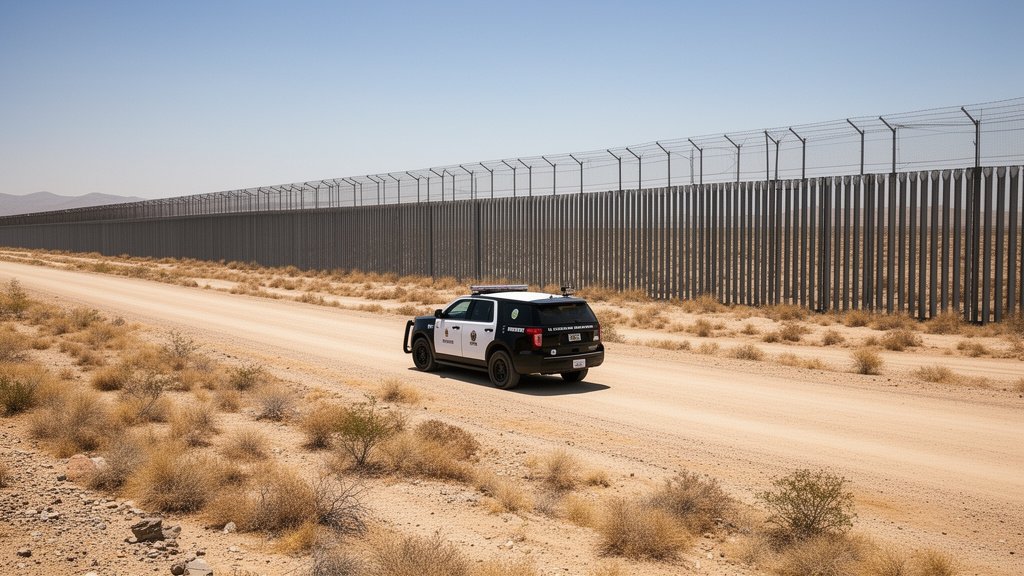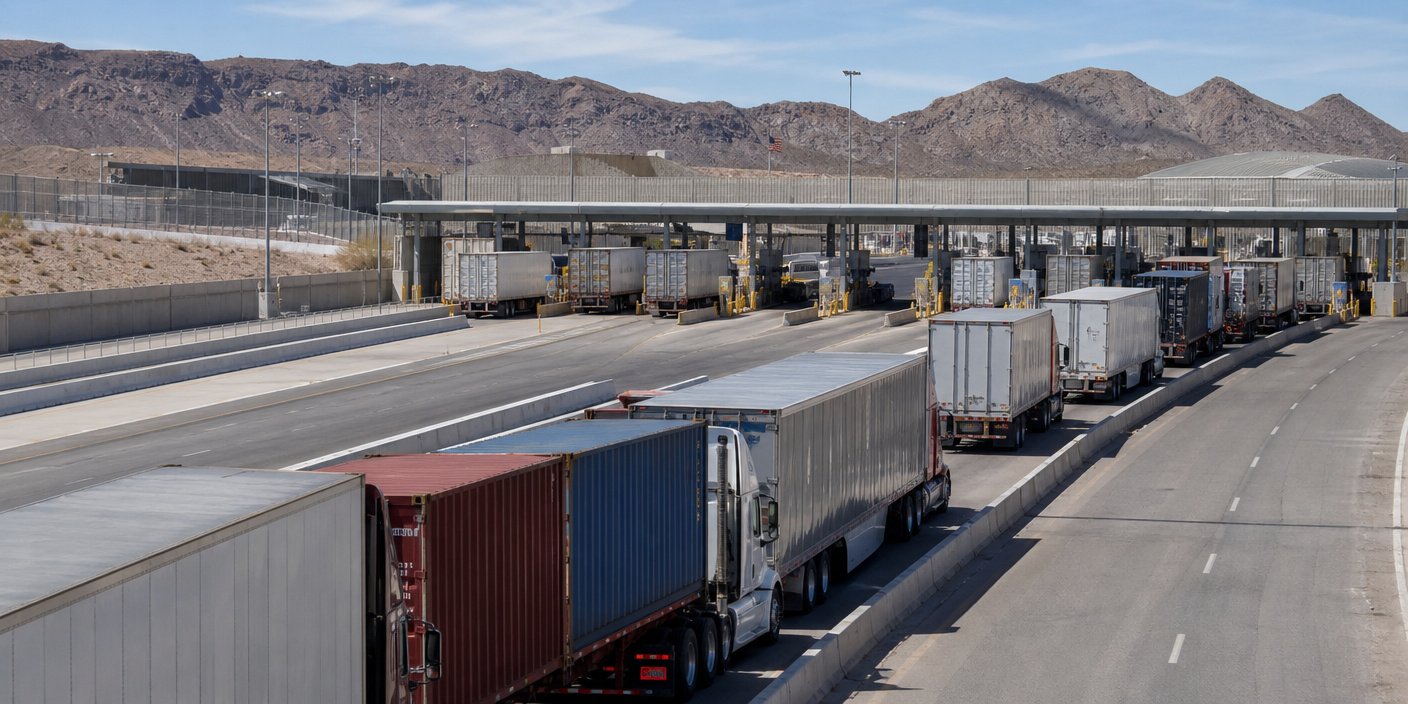

U.S. households relying on affordable Canadian prescription medications face a looming financial and logistical hurdle as U.S. Customs and Border Protection (CBP) moves to tighten regulations on small-value international shipments. Starting October 22, the government is effectively ending the ‘de minimis’ (Section 321) duty-free status for many packages worth US$800 or less that contain regulated goods, a move experts warn could disrupt the supply chain for patients sourcing medicine across the northern border.
The Mechanics of the Policy Shift
For decades, the ‘de minimis’ exemption has allowed packages entering the United States with a fair market value of $800 or less to bypass formal customs entry procedures, duties, and taxes. This policy, rooted in the Trade Facilitation and Trade Enforcement Act of 2015, was designed to lower the burden on customs officials by streamlining low-value, non-commercial shipments. However, the regulatory landscape shifted dramatically this year. The Biden-Harris administration, driven by concerns over illicit drug precursors like fentanyl and safety risks associated with unregulated goods, has targeted this loophole. By reclassifying these shipments, the CBP is aiming to bring more oversight to the influx of products that have previously enjoyed a frictionless path into the U.S. market. For the average consumer purchasing maintenance medications from Canadian pharmacies, this reclassification means their routine deliveries are no longer considered ‘low-value’ cargo; they are now subject to rigorous inspections and potential tariff assessments that were previously waived.
Consumer Impact: Beyond the $800 Threshold
While the threshold technically remains at $800, the administrative shift is the real concern. The new policy mandates that packages containing items subject to heightened scrutiny—such as prescription drugs—will likely undergo formal entry processing. This is a critical pivot. Formal entry requires significantly more documentation, often necessitating the services of a customs broker. For a patient ordering a three-month supply of blood pressure or diabetes medication, the cost of these administrative fees and potential brokerage services could easily exceed the savings gained by purchasing abroad. Furthermore, because these shipments will now be flagged for potential duty assessments, patients should anticipate increased shipping times. The ‘frictionless’ delivery model that defined cross-border pharmacy commerce is being replaced by a ‘regulated’ model, which historically prioritizes security and revenue collection over consumer convenience. Economists tracking the pharmaceutical supply chain suggest that companies operating these cross-border pharmacy models may have to pass these new regulatory compliance costs directly to the consumer, effectively eroding the price advantage of Canadian medication.
The Safety vs. Affordability Paradox
The tension here is emblematic of a broader government struggle: balancing the demand for affordable healthcare against the imperative of border security. The CBP’s enforcement rationale centers on public safety. The agency has repeatedly cited the risks of unregulated imports that may not meet FDA standards or, more critically, the use of small-parcel logistics to facilitate the entry of dangerous synthetic precursors. Yet, the policy creates a significant ‘collateral damage’ effect for the thousands of Americans who turn to Canada to mitigate the high cost of U.S. prescription drugs. Patients who are accustomed to relying on these pharmacies for essential medications are now finding themselves in a regulatory gray area. Without the de minimis protection, these shipments are susceptible to seizure, return-to-sender scenarios, or significant clearance delays if they fail to meet the new, stringent documentation requirements for regulated goods. Advocacy groups for seniors and those with chronic illnesses are already raising alarms, noting that for fixed-income families, the disappearance of this loophole is not just a logistical inconvenience—it is a potential threat to continuity of care.
Future Outlook and Logistics
Looking ahead, the pharmaceutical import sector will likely undergo a consolidation phase. Smaller, less established online pharmacies may struggle to comply with the new CBP administrative burdens, potentially leading to a market exit. Larger, more robust pharmacy chains that can afford the overhead of formal customs compliance may survive, but their pricing models will inevitably shift to account for these changes. Consumers are advised to monitor their order statuses closely starting late October and to communicate with their Canadian suppliers regarding new shipping documentation requirements. The era of ‘no-questions-asked’ entry for Canadian medications appears to be concluding, signaling a need for patients to re-evaluate their medication sourcing strategies in the coming fiscal quarter.