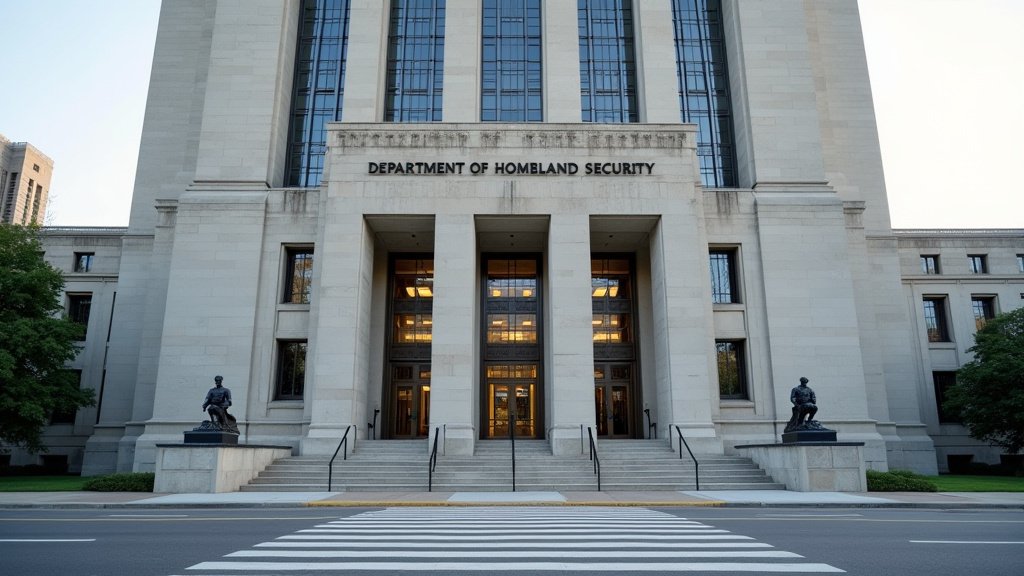


Immigrants’ rights advocates and progressive lawmakers are urging a reallocation of federal funds, proposing to divert resources from Immigration and Customs Enforcement (ICE) towards strengthening domestic social safety nets. This call to action, gaining traction in political discourse, suggests that enhanced funding for programs like affordable housing, healthcare, and job training could yield greater societal benefits than current immigration enforcement expenditures.
Key Highlights:
- Advocates propose redirecting ICE funding to bolster social programs.
- The debate centers on prioritizing domestic needs over immigration enforcement.
- Potential areas for increased funding include housing, healthcare, and workforce development.
- The proposal aims to address systemic inequalities and improve community well-being.
Reallocating Resources: Shifting Priorities in Federal Spending
The ongoing debate surrounding federal budget priorities has brought the potential reallocation of funds from Immigration and Customs Enforcement (ICE) to the forefront. Proponents of this shift argue that a robust social safety net is a more effective and humane investment in the nation’s future than the current levels of spending on immigration enforcement. This perspective suggests that resources currently allocated to ICE could be more impactful if directed towards programs designed to alleviate poverty, improve public health, and foster economic stability for citizens and legal residents alike.
The Economic Argument for a Stronger Safety Net
Economists and social policy experts have long argued that investing in social safety nets yields significant economic returns. Programs such as subsidized childcare, Pell Grants for higher education, and expanded unemployment benefits can increase workforce participation, boost consumer spending, and reduce long-term dependency on public assistance. The argument is that by providing a stable foundation for individuals and families, these programs empower them to become more productive members of society, ultimately contributing more to the economy. This contrasts with the view that funds spent on ICE are primarily for enforcement and containment, with less direct impact on broad economic growth or poverty reduction.
Societal Impact and Community Well-being
Beyond economics, the proposal to fund the safety net over ICE is rooted in a vision of societal equity and community well-being. Advocates contend that by bolstering programs that address basic needs, the government can actively work to reduce systemic inequalities. Increased funding for affordable housing initiatives, for example, could help combat homelessness and create more stable communities. Similarly, expanding access to quality healthcare and mental health services can lead to healthier populations and reduced strain on emergency services. These investments are seen as fostering social cohesion and improving the overall quality of life for a broader segment of the population.
The Role of Immigration and Customs Enforcement
Immigration and Customs Enforcement (ICE) is responsible for enforcing U.S. immigration laws. Its operations include detention, deportation, and investigations related to immigration violations. Critics of ICE often point to the human rights concerns associated with its enforcement practices, including family separations and the conditions in detention centers. They argue that the significant portion of the federal budget allocated to ICE could be better used to address domestic issues that affect a larger number of people, particularly those most vulnerable.
Exploring Secondary Angles
This debate also touches upon several secondary angles. Historically, the role and funding of immigration enforcement agencies have evolved significantly, often in response to changing political climates and national security concerns. Furthermore, the economic impact of immigration itself is a complex topic, with studies showing both benefits and challenges. Looking forward, the long-term implications of underfunding social infrastructure versus investing in enforcement present a critical policy choice for lawmakers.
FAQ: People Also Ask
Q1: What is the core argument for defunding ICE?
A1: The core argument is that federal resources currently allocated to ICE could be more effectively used to strengthen domestic social safety nets, such as affordable housing, healthcare, and job training programs, which are seen as having a broader positive impact on society.
Q2: What are the key programs proponents want to fund instead of ICE?
A2: Proponents typically advocate for increased funding for programs like affordable housing initiatives, universal healthcare access, job training and workforce development, early childhood education, and mental health services.
Q3: What is the economic rationale behind investing in social safety nets?
A3: The economic rationale is that investing in safety nets increases workforce participation, boosts consumer spending, reduces long-term dependency, and ultimately fosters greater economic productivity and stability.
Q4: What are the main criticisms leveled against ICE?
A4: Criticisms against ICE often focus on human rights concerns, including family separations, conditions in detention centers, and the impact of enforcement actions on immigrant communities. There are also arguments that its budget could be better allocated to domestic needs.
Q5: How does this debate relate to broader discussions about immigration policy?
A5: This debate is a facet of broader discussions about immigration policy, particularly concerning the balance between enforcement and humanitarian considerations, and how national resources should be prioritized in addressing both immigration and domestic social issues.