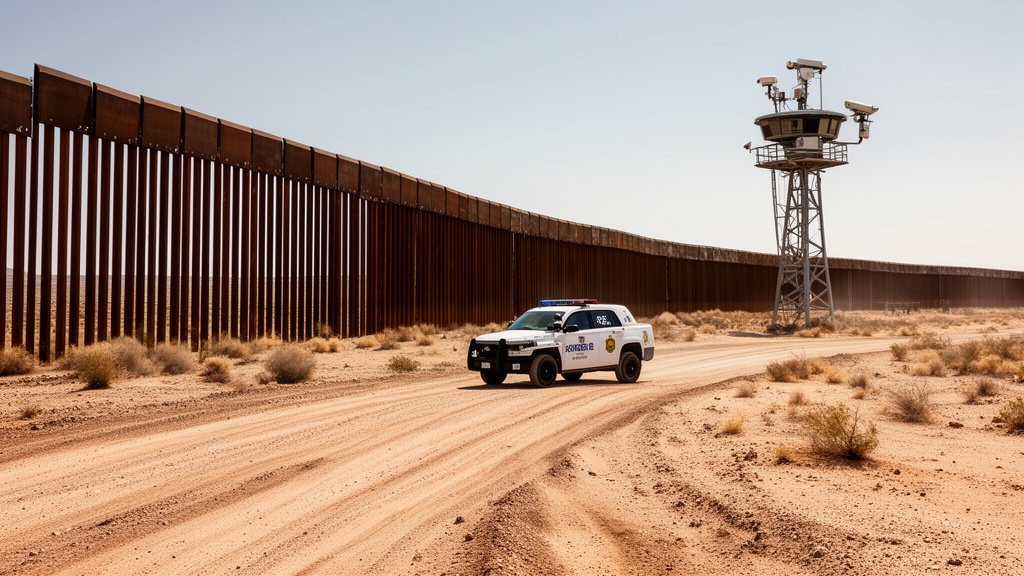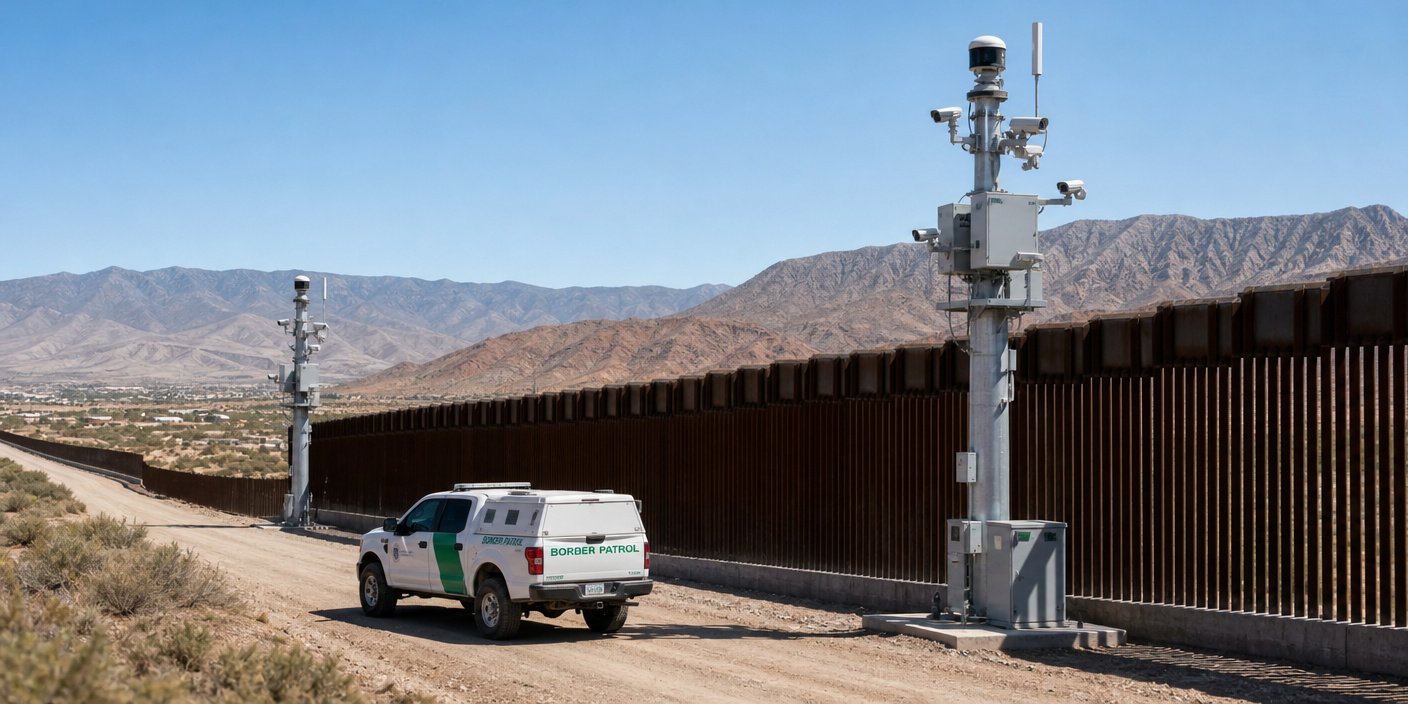

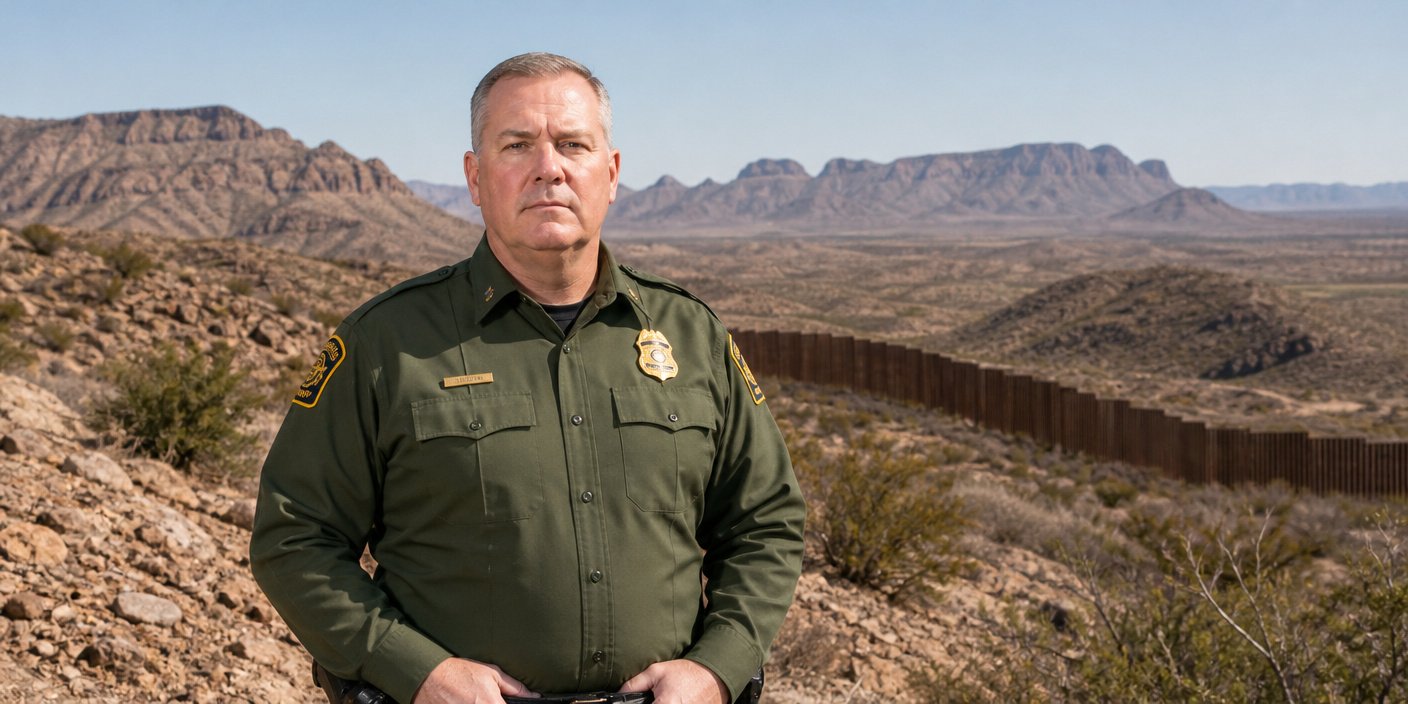
In a direct challenge to ongoing judicial intervention, U.S. Customs and Border Protection (CBP) Commissioner Rodney Scott has firmly asserted that the administration’s $46 billion border wall expansion remains “non-negotiable,” even as federal court orders mandate a pause in construction across the Texas Big Bend region. The defiant stance highlights a deepening schism between executive branch infrastructure initiatives and the judiciary’s role in curbing large-scale land development, particularly in ecologically sensitive and privately owned areas of the Rio Grande basin.
Key Highlights
- Project Scope: The administration continues to defend the viability of a $46 billion border wall initiative, characterizing it as essential national security infrastructure.
- Legal Standoff: Despite an active federal court order imposing a construction halt, leadership maintains the project is legally and operationally imperative.
- Geographic Sensitivity: The Big Bend region remains a primary friction point, with local landowners and conservationists opposing the wall’s footprint.
- Institutional Defiance: Commissioner Rodney Scott’s rhetoric suggests an administration strategy that prioritizes executive directive over ongoing litigation.
The Strategic Standoff: Infrastructure vs. Injunctions
The tension in the Big Bend sector represents a microcosm of the wider legal struggle over the border wall project. At the center of the debate is the administration’s insistence that the barrier is a critical component of national security. Commissioner Rodney Scott’s assertion that the plans are “non-negotiable” underscores a policy decision to treat the wall not merely as a construction project, but as a mandatory national security asset. This classification is significant; by framing the wall as an immutable security requirement, the CBP seeks to bypass the standard environmental and property litigation that has historically delayed such federal infrastructure projects.
However, the judiciary has taken a different view. Federal court orders, which have forced a temporary standstill in several construction sectors, are rooted in challenges regarding the government’s use of eminent domain and its failure to comply with established environmental impact assessments. The legal battle hinges on whether the government has sufficiently accounted for the disruption of local ecosystems and the rights of ranchers in the Big Bend region, an area known for its rugged terrain and biodiversity.
The $46 Billion Economic and Logistical Weight
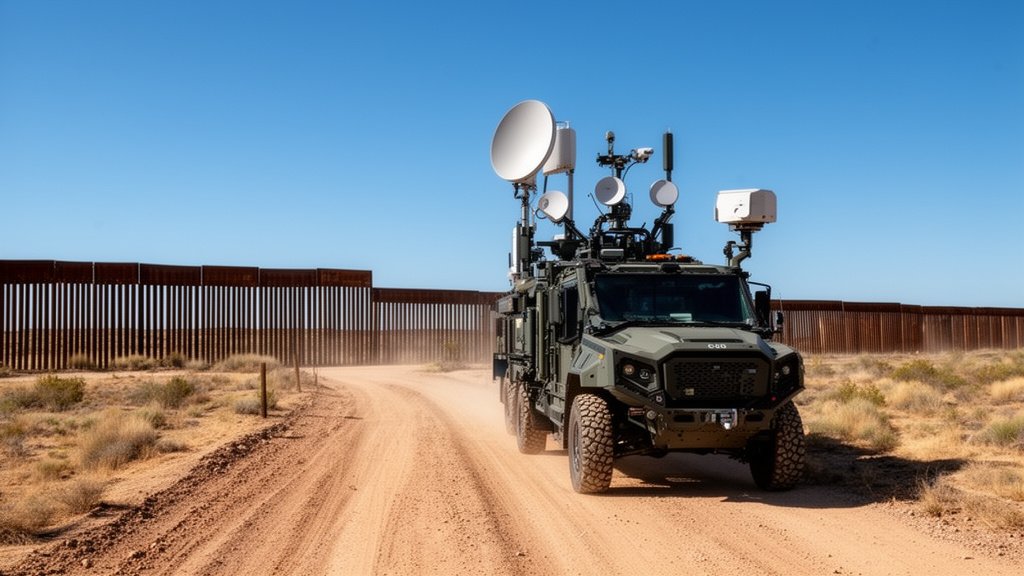
Beyond the legal maneuvering lies the staggering financial commitment of $46 billion. This budget, allocated for the completion and maintenance of the barrier, represents one of the largest infrastructure investments in the history of the Department of Homeland Security. Economists and policy analysts have long debated the efficacy of this expenditure, questioning whether static barrier construction offers the highest return on investment for border security compared to technological solutions like sensor networks, drone surveillance, and increased personnel presence.
Yet, for the administration, the economic cost is framed as a long-term investment. By prioritizing the wall, the CBP is signaling a commitment to a “hard border” strategy that physical barriers uniquely provide. The argument is that technology can be jammed or bypassed, while a steel bollard system, regardless of the criticism it receives, provides a permanent, low-maintenance deterrent against unauthorized crossings. The challenge, of course, is that the construction process itself creates the very logistical bottlenecks that the project is intended to solve.
Ecological and Community Impact in Big Bend
The Big Bend region is not merely a strategic border crossing; it is a complex ecological zone. Opposition from local landowners and environmental organizations—such as the Sierra Club and various property rights advocacy groups—has been fierce. The construction of the wall threatens to bisect vital wildlife corridors and disturb the fragile desert riparian ecosystem of the Rio Grande.
From the perspective of residents, the wall represents an unwanted federal imposition on private land. The government’s use of expedited legal procedures to seize land has alienated many in the ranching community who otherwise support robust border security. This tension creates a “double-jeopardy” scenario for the administration: they are fighting a war on two fronts—one in the federal courts against legal injunctions, and one on the ground against a populace that feels its property rights are being systematically eroded by the very entity—the federal government—charged with protecting them.
FAQ: People Also Ask
Q: Why is the Big Bend region specifically targeted for wall construction?
A: The Big Bend sector represents a challenging, rugged landscape that the CBP identifies as a corridor for unauthorized crossings. Strategically, the administration argues that closing this “gap” is essential for a comprehensive border security plan, despite the logistical difficulties of building in such terrain.
Q: What is the significance of the federal court-ordered pause?
A: The court-ordered pause is a mechanism used by the judiciary to halt construction while the legal merits of the project—including environmental impacts and eminent domain disputes—are adjudicated. It serves as a check on executive overreach, ensuring the government follows proper legal and environmental protocols before altering the landscape.
Q: Is the $46 billion budget fixed?
A: The $46 billion figure represents the administration’s projected cost for the comprehensive barrier project. It is subject to fluctuation based on legal costs, material price indices, construction delays caused by the litigation, and future legislative reallocations of federal funding.
Q: How does the CBP defend the project against environmental concerns?
A: The CBP argues that the security benefits—namely the reduction of unauthorized entries and drug trafficking—outweigh the environmental impact. The agency maintains that it mitigates damage through construction techniques that account for natural drainage and wildlife movement where feasible.