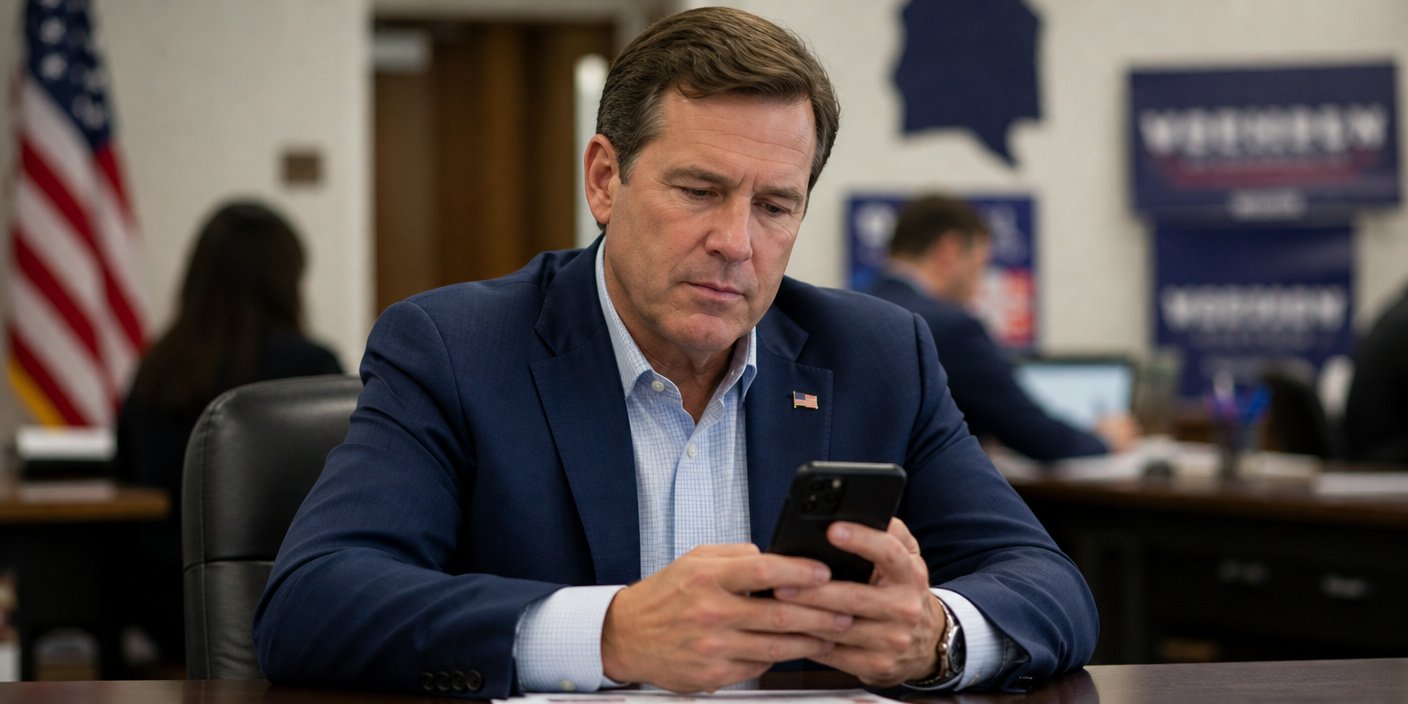


Kansas Attorney General Kris Kobach has publicly offered his support to the Big 12 Conference amidst a brewing controversy involving Texas Attorney General Ken Paxton and the university’s handling of the Brendan Sorsby situation. Kobach’s intervention signals a potential deepening of the political entanglement surrounding conference athletics and state-level legal actions.
Key Highlights:
- Kansas AG Kris Kobach publicly supports the Big 12 Conference.
- The support comes amid a dispute involving Texas AG Ken Paxton and Brendan Sorsby.
- The controversy touches upon the Big 12’s governance and university athletic policies.
- Kobach’s move indicates a potential bipartisan political dimension to conference matters.
Political Undercurrents in Big 12 Athletics
The recent public statements from Kansas Attorney General Kris Kobach indicate a significant political maneuver aimed at supporting the Big 12 Conference. Kobach has directly addressed the ongoing controversy surrounding Texas Attorney General Ken Paxton’s actions and their implications for the conference, particularly concerning the situation involving an individual named Brendan Sorsby. This intervention by a state’s top legal official into the affairs of a collegiate athletic conference highlights the increasing intersection of politics and sports governance.
The Sorsby Controversy and its Ripple Effects
While the specifics of the Brendan Sorsby situation and the exact nature of Ken Paxton’s involvement remain a subject of ongoing discussion and potential legal scrutiny, Attorney General Kobach’s decision to publicly back the Big 12 suggests a broader concern about external pressures on the conference. The Big 12, like other major athletic conferences, operates within a complex framework of NCAA regulations, university policies, and state laws. Actions taken by state officials can have considerable influence on these entities, potentially impacting conference operations, membership, and athletic programs.
Kobach’s stance is interpreted by many as a defense of the conference’s autonomy and its member institutions’ rights to manage their athletic departments and address individual student-athlete issues according to their own established protocols. The involvement of state Attorneys General in such matters is not unprecedented, especially when issues touch upon potential legal violations, contractual obligations, or broader public interest concerns related to the significant economic and cultural impact of collegiate sports.
Inter-State Legal Dynamics and Conference Autonomy
The dynamic between the Kansas and Texas Attorneys General underscores the multi-state nature of collegiate athletics and the potential for inter-state legal friction. The Big 12 Conference is composed of universities from several states, and decisions made by one state’s legal representatives can inevitably affect member institutions in other states. Kobach’s support can be seen as an effort to preempt or counter any perceived overreach by his Texas counterpart, thereby safeguarding the interests of the conference as a whole and its Kansas-based members.
This situation also brings to the forefront questions about the appropriate boundaries between political authority and the governance of collegiate sports. While legal oversight is essential, the involvement of high-profile political figures can sometimes complicate matters, potentially politicizing issues that might otherwise be resolved through established institutional channels. Kobach’s public support for the Big 12 might be an attempt to assert a different political narrative or to signal solidarity with the conference leadership.
Broader Implications for Collegiate Athletics
Beyond the immediate Sorsby controversy, this event raises important questions about the future relationship between state governments and athletic conferences. As collegiate sports continue to grow in financial and cultural significance, it is likely that political involvement will become more pronounced. Attorney General Kobach’s proactive support for the Big 12 could set a precedent for how other state officials engage with conference governance in the future. The case may also influence discussions around the balance of power between conference commissioners, university presidents, athletic directors, and external governmental bodies.
The Big 12 Conference itself has navigated significant structural changes in recent years, including the departure of traditional members and the addition of new ones. Amidst these transitions, maintaining stability and asserting its operational independence is crucial. Actions by state AGs, whether supportive or critical, add another layer of complexity to these ongoing strategic challenges.
FAQ: People Also Ask
What is the role of the Attorney General in relation to collegiate athletics?
Attorneys General can become involved in collegiate athletics matters when there are potential legal violations, contract disputes, issues concerning compliance with state or federal laws, or when such matters are deemed to be of significant public interest. They can issue legal opinions, conduct investigations, or file lawsuits to protect the interests of their state or its citizens.
How might state Attorneys General influence collegiate sports conferences?
State AGs can influence conferences through legal actions, public statements, or by advocating for specific policies at the state level that affect member institutions. Their involvement can bring public attention to issues and potentially pressure conferences or universities to take certain actions or reconsider decisions.
What is the Big 12 Conference?
The Big 12 Conference is one of the major collegiate athletic conferences in the United States, currently comprising universities competing in NCAA Division I sports. It is known for its competitive football and basketball programs and has undergone significant expansion and contraction in recent years.
Why would one state’s Attorney General intervene in another state’s university matter?
Intervention can occur if the actions of one state’s officials are perceived to negatively impact institutions or citizens in another state, or if the issue has broader implications for interstate commerce or legal principles. In this case, Kobach’s support for the Big 12 might stem from a belief that the actions concerning a member institution within the conference could have wider ramifications for the conference’s stability or the integrity of collegiate sports.