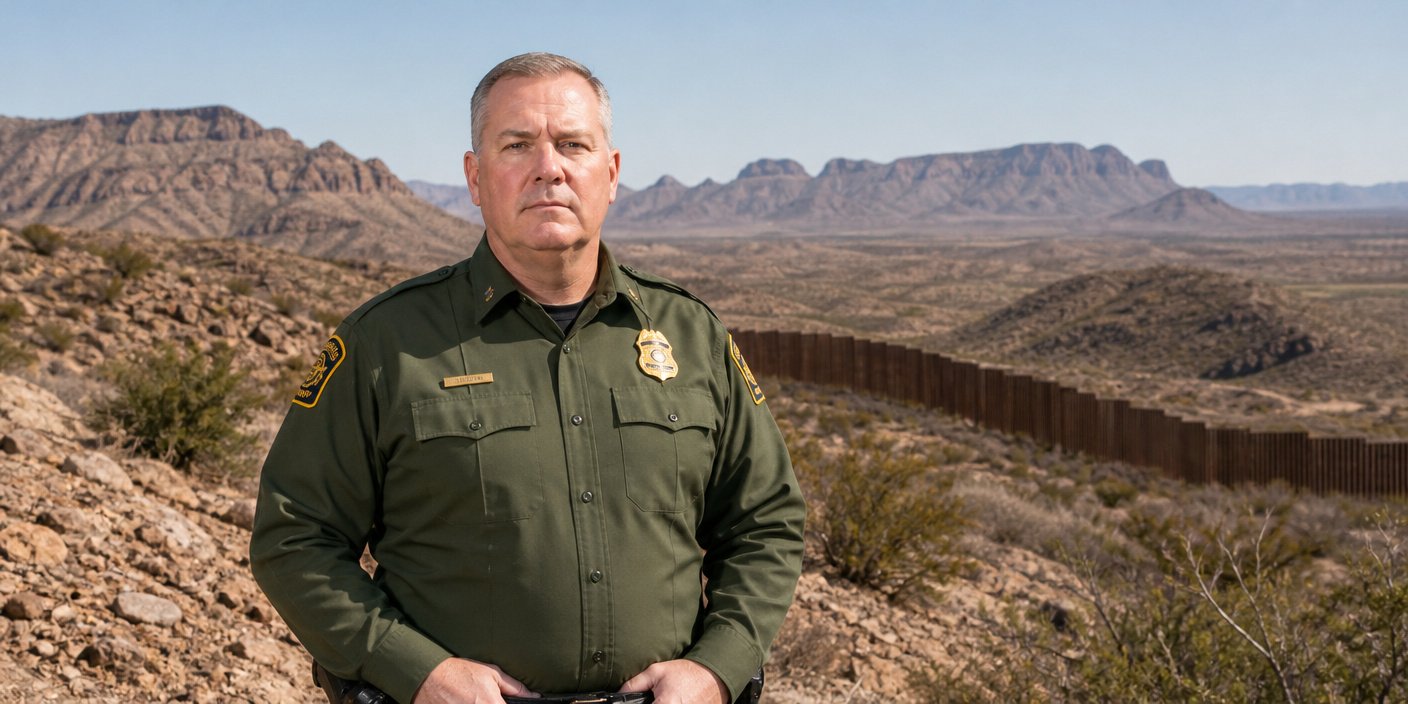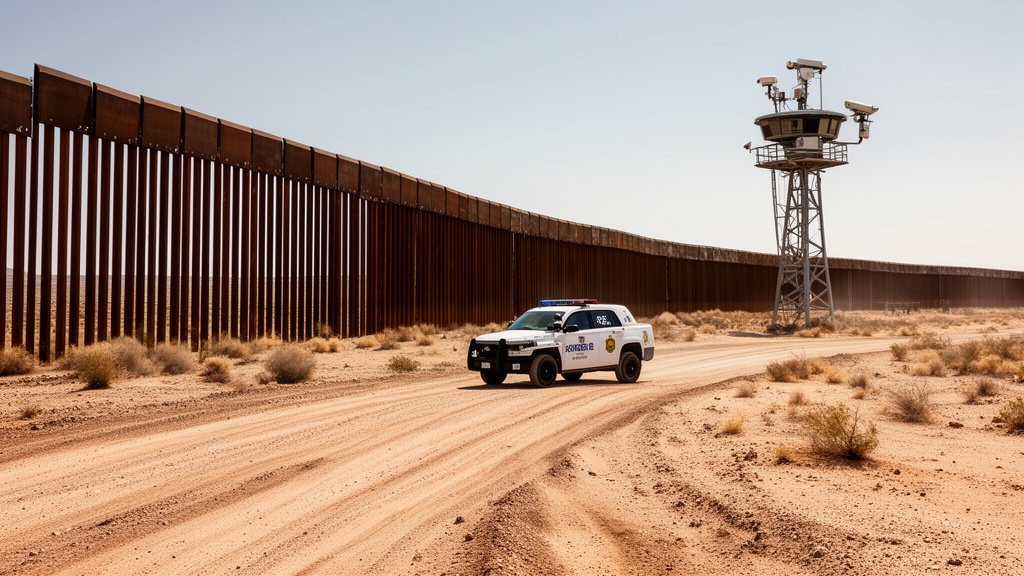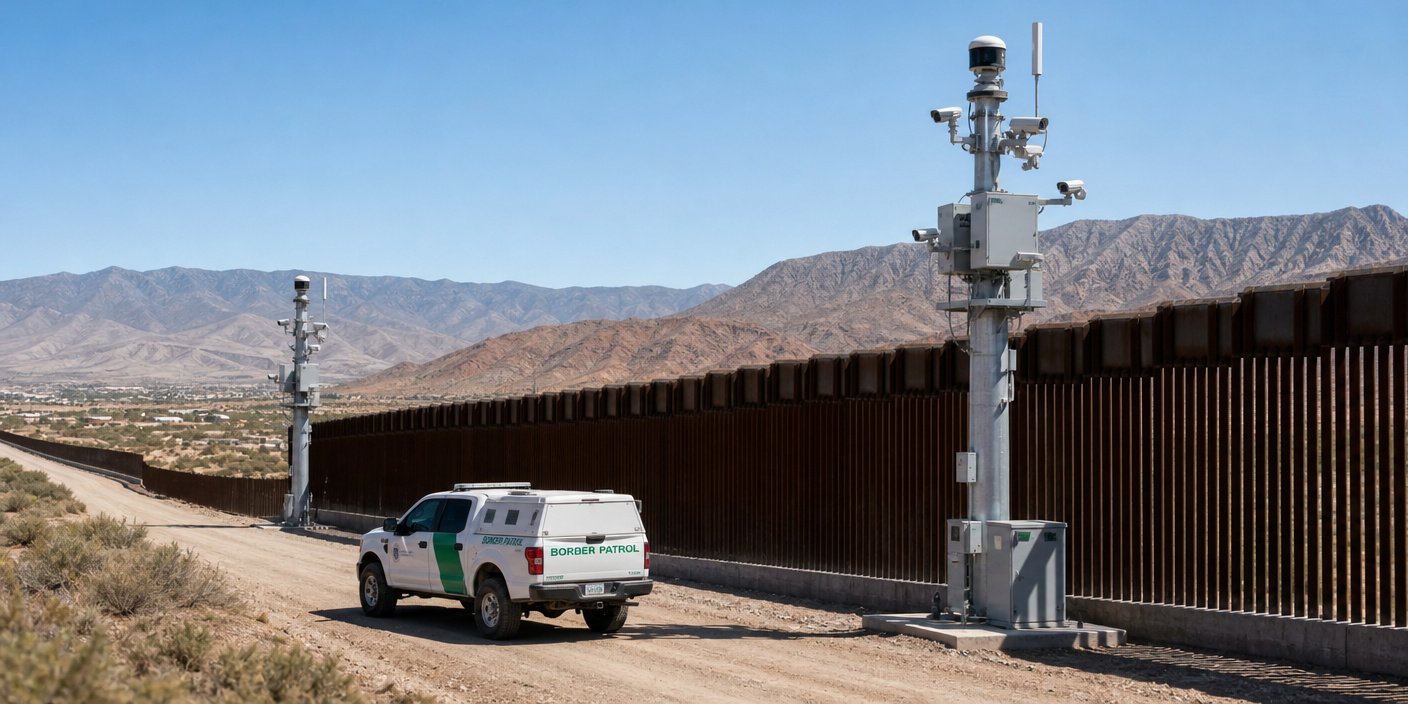

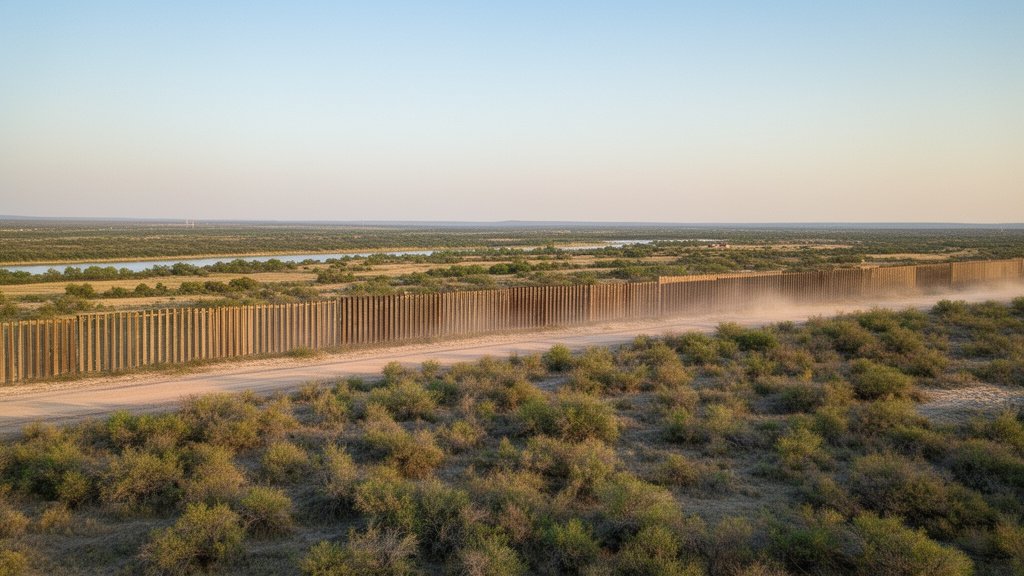
Starr County, Texas—a region that once served as a bedrock of Democratic loyalty—transformed into the epicenter of a political realignment during the 2024 election. Voters here, captivated by promises of enhanced border security and economic revitalization, delivered a stunning 21-point swing toward Donald Trump, moving from a Biden +5 margin in 2020 to a decisive Trump +16 victory in 2024. However, as the dust settles and the operational realities of the administration’s aggressive immigration agenda begin to manifest, the initial euphoria is facing a complex test. Local sentiment is shifting as the immediate, tangible effects of immigration raids threaten the economic stability of the very communities that voted to secure the border.
Key Highlights
- Historic Political Realignment: Starr County experienced one of the most dramatic electoral shifts in the nation, moving from deep blue to bright red in just four years.
- Rhetoric vs. Operational Reality: While local voters championed the concept of a ‘closed border,’ the practical application of mass raids and aggressive interior enforcement is creating anxiety among mixed-status families and local business owners.
- Economic Dependency: Many businesses in the Rio Grande Valley rely on labor markets that are now being disrupted by heightened federal enforcement actions.
- The ‘Trump Paradox’: The community is caught between supporting the former President’s mandate for national security and protecting the livelihoods of their own residents.
The Paradox of Protectionism in the Rio Grande Valley
The fundamental tension currently gripping the Rio Grande Valley lies in the chasm between the national political narrative of a ‘secured border’ and the local reality of a porous, interconnected economy. For years, the Democratic establishment viewed the border as a humanitarian priority, while Republicans successfully framed it as an existential threat. In Starr County, that Republican framing resonated deeply with voters who felt ignored by Washington, leading to record-high turnout for the Trump platform. These voters demanded order, control, and a reduction in the chaos that they felt had characterized the border region for decades.
Yet, the administrative mechanics of ‘closing the border’ are proving more disruptive than many voters anticipated. In the weeks following the election, reports of increased ICE activity and heightened scrutiny on mixed-status households have sent a ripple of anxiety through the region. In a community where familial ties often span both sides of the Rio Grande and where local labor markets are deeply intertwined with the immigrant workforce, the enforcement raids are being perceived not as a ‘security measure’ but as a direct threat to the local economic fabric. Small business owners, particularly in agriculture and retail, report difficulty retaining staff, while families express fears of separation. This suggests that while Starr County voters may have been in alignment with the idea of a tougher border policy, they are increasingly diverging from the consequences of that policy.
The Economic Consequence of Enforcement
Beyond the social friction, there is a tangible economic calculation underway. Starr County, characterized by high poverty rates and a reliance on service-based and agricultural industries, operates on thin margins. When labor supply is constrained by aggressive federal enforcement, the immediate impact is often inflationary. Local businesses, already struggling with the rising cost of goods, are now facing a labor shortage that threatens their viability. Political analysts monitoring the region note that this economic pressure is causing a quiet but measurable cooling of the ‘Trump enthusiasm’ that defined the 2024 cycle. The challenge for the administration is whether they can maintain the support of these critical border strongholds if the cost of their signature policy remains a localized economic contraction.
Mapping the Future of Border Politics
As we look toward the midterm cycles, the situation in Starr County serves as a bellwether for the durability of the current populist coalition. The Republican party has successfully peeled away traditionally Democratic demographics by focusing on security and traditional values. However, political movements based on specific policy mandates must deliver tangible benefits to remain sustainable. If the administration’s approach to border security is perceived as an overreach that harms the very voters who put them in office, the electoral gains made in 2024 could prove temporary. Local leaders are now finding themselves in a delicate position, attempting to lobby for ‘smart’ enforcement that balances the national imperative of security with the local necessity of economic survival. The coming months will be critical in determining whether this realignment sticks or if the border will once again become a point of electoral contention, this time working against the party that successfully claimed it in 2024.
FAQ: People Also Ask
1. Why did Starr County shift so significantly toward Donald Trump in 2024?
Starr County, a historically Democratic stronghold in the Rio Grande Valley, shifted significantly due to a combination of economic frustration, a desire for stronger border security, and a perceived disconnect between the national Democratic platform and the priorities of rural Texas voters. The 21-point swing from 2020 to 2024 was driven by voters who felt their concerns about border chaos were being ignored.
2. How are immigration raids affecting the local economy in the Rio Grande Valley?
Aggressive immigration enforcement and raids are creating labor shortages in key industries such as agriculture and retail. Because these local economies are heavily dependent on a workforce that often includes immigrants, these enforcement actions can lead to business closures, reduced operating hours, and increased costs for local consumers, creating anxiety among residents.
3. Is the sentiment in border communities turning against Trump’s policies?
There is emerging friction in specific border counties, including Starr County. While voters supported the mandate for a ‘closed border,’ the reality of aggressive raids is causing concern. It is not necessarily a full rejection of the President, but rather a realization that the implementation of his policies carries heavy, immediate costs for the families and businesses within these communities.