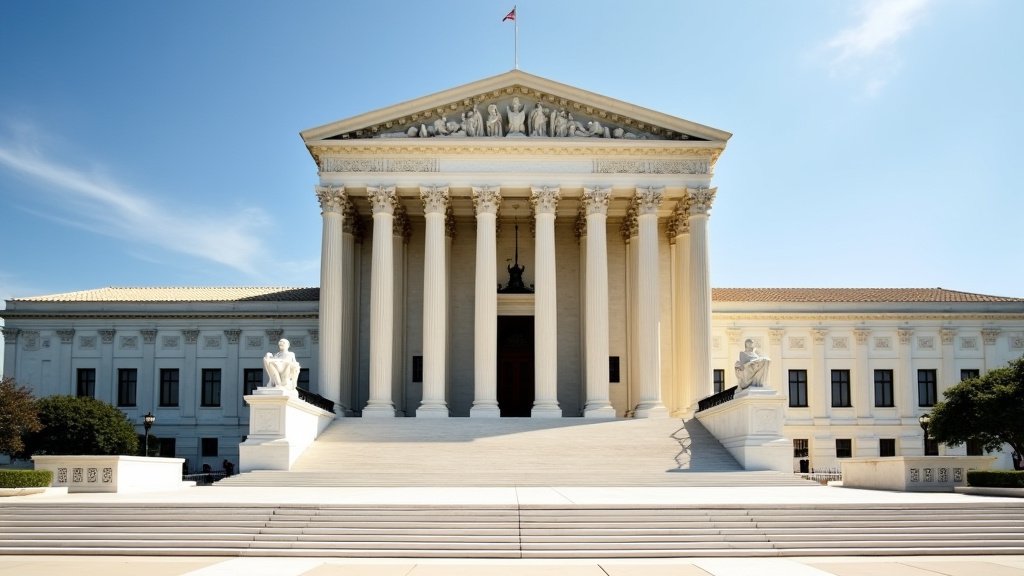

The Texas Supreme Court has intervened in a dispute over public beach access along the Texas coast, issuing an order that blocks local officials from enforcing restrictions on SpaceX’s property. This ruling temporarily halts efforts by Boca Chica residents and environmental groups to prevent SpaceX from limiting public access to the beaches adjacent to its Starbase facility. The court’s decision allows SpaceX to maintain its current access controls while the broader legal battle over beach rights continues.
Key Highlights:
- The Texas Supreme Court has temporarily blocked enforcement of beach access restrictions near SpaceX’s Starbase facility.
- Local officials and residents sought to prevent SpaceX from limiting public access to adjacent beaches.
- The ruling allows SpaceX to continue controlling access to the disputed areas pending further legal proceedings.
- This decision is a significant development in the ongoing conflict between SpaceX’s expansion and public coastal access rights in the region.
SpaceX Secures Temporary Reprieve on Texas Beach Access
The Texas Supreme Court’s recent order provides a crucial, albeit temporary, victory for SpaceX in its ongoing dispute over public beach access near its Starbase launch facility in Boca Chica, Texas. The court has effectively put a halt to local government attempts to enforce ordinances that would have compelled SpaceX to reopen portions of the beach it has restricted. This legal maneuver means SpaceX can continue to manage access to the shoreline adjacent to its rapidly expanding spaceport, a facility critical for its Starship development program.
Background of the Coastal Conflict
The controversy centers on the public’s historical right to access Texas beaches, which are generally considered public property up to the first dune line. SpaceX, in its pursuit of expanding its launch operations, has implemented significant access restrictions, citing safety concerns related to its rocket testing and launch activities. These restrictions have been met with strong opposition from local residents, beachgoers, and environmental advocacy groups who argue that SpaceX is infringing upon established public rights and disrupting the natural coastal environment.
Legal Arguments and Court Intervention
Local officials and community groups had pursued legal avenues to force SpaceX to comply with existing beach access laws. They argued that SpaceX’s actions were unlawfully blocking traditional public thoroughfares and recreational areas. The case escalated through the lower courts, with varying outcomes, ultimately leading to an appeal to the Texas Supreme Court. The Supreme Court’s decision to grant a temporary block on enforcement signifies its willingness to review the matter thoroughly, potentially setting a significant legal precedent for coastal access rights in Texas when they intersect with large-scale industrial or private development.
Safety vs. Access: The Core of the Debate
SpaceX’s primary justification for restricting beach access revolves around public safety. The company contends that the unpredictable nature of rocket testing and launches necessitates a buffer zone to protect the public from potential debris, explosions, or other hazards. They have argued that the existing protocols for clearing the beach before launches are insufficient and that permanent or semi-permanent closures are necessary for the safe and efficient operation of Starship development.
Conversely, opponents emphasize that the beach is a vital natural resource and a key recreational area for the local community and tourists. They question the extent of the safety risks and argue that SpaceX has not adequately explored alternative solutions that could balance operational needs with public access. Environmental concerns are also prominent, with worries about the impact of increased industrial activity on the fragile coastal ecosystem and wildlife.
The Broader Implications for Texas Coastal Management
This ruling by the Texas Supreme Court has far-reaching implications beyond Boca Chica. It highlights the complex challenge of balancing private development, particularly in burgeoning industries like space exploration, with the public’s right to access and enjoy Texas’s extensive coastline. The court’s eventual decision on the merits of the case could shape future land-use policies and public access regulations along the entire Texas coast, potentially impacting other coastal communities and industries.
Entities involved in this dispute include SpaceX, the private aerospace manufacturer developing Starship; local government entities in Cameron County, Texas, which are responsible for enforcing local ordinances; and various community and environmental groups advocating for public beach access.
FAQ: People Also Ask
What beaches are affected by the SpaceX closures?
The closures primarily affect public beaches adjacent to SpaceX’s Starbase facility in Boca Chica, Texas, along the Cameron County coastline. These are areas historically used by the public for recreation.
Why does SpaceX want to close the beaches?
SpaceX cites public safety concerns related to its rocket testing and launch operations for Starship. They argue that the potential for debris and explosions necessitates restricting public access to prevent injuries.
What is the historical right to Texas beaches?
Texas law generally considers beaches below the mean high tide line as public property, accessible to the public. This right is often referred to as the public’s right of access to the Texas coast.
What happens now with the beach access dispute?
The Texas Supreme Court has temporarily blocked enforcement of restrictions, allowing SpaceX to maintain its current access controls. The court will likely hear further arguments and make a final ruling on the underlying legal issues.
Could this affect other coastal developments in Texas?
Potentially. The Supreme Court’s decision could set a significant legal precedent for how public coastal access rights are balanced against the needs of large-scale private development projects along the Texas coast in the future.