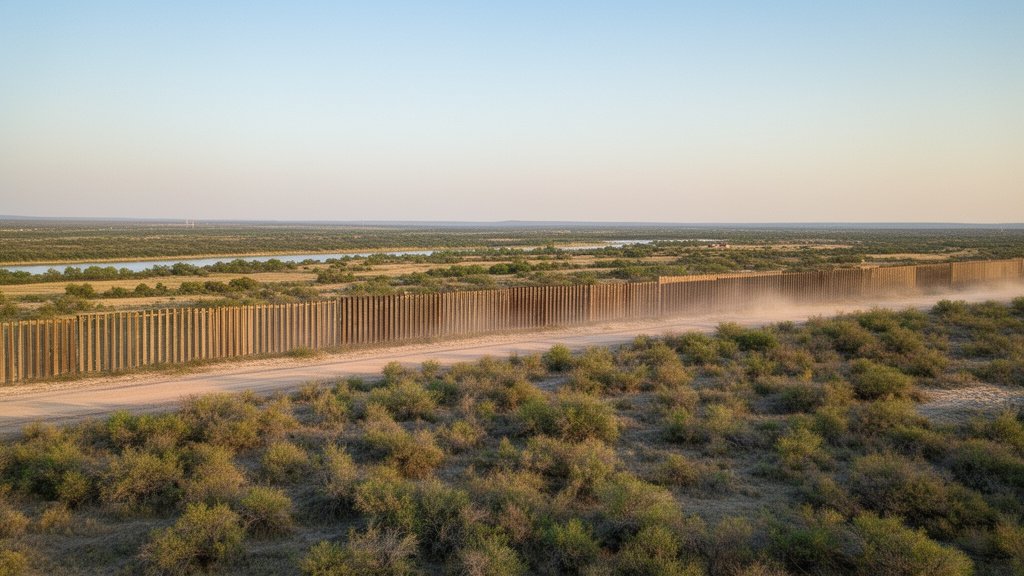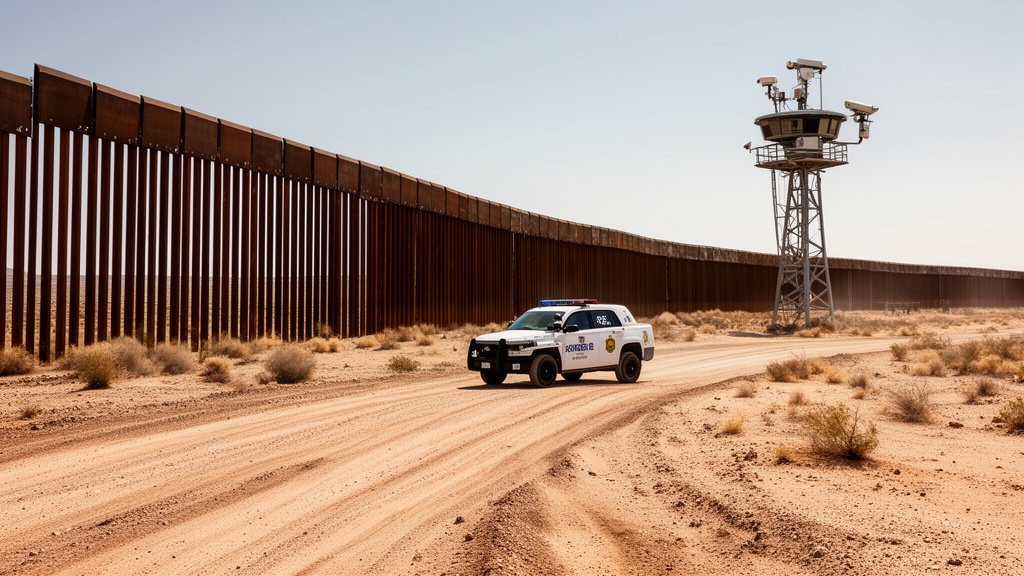

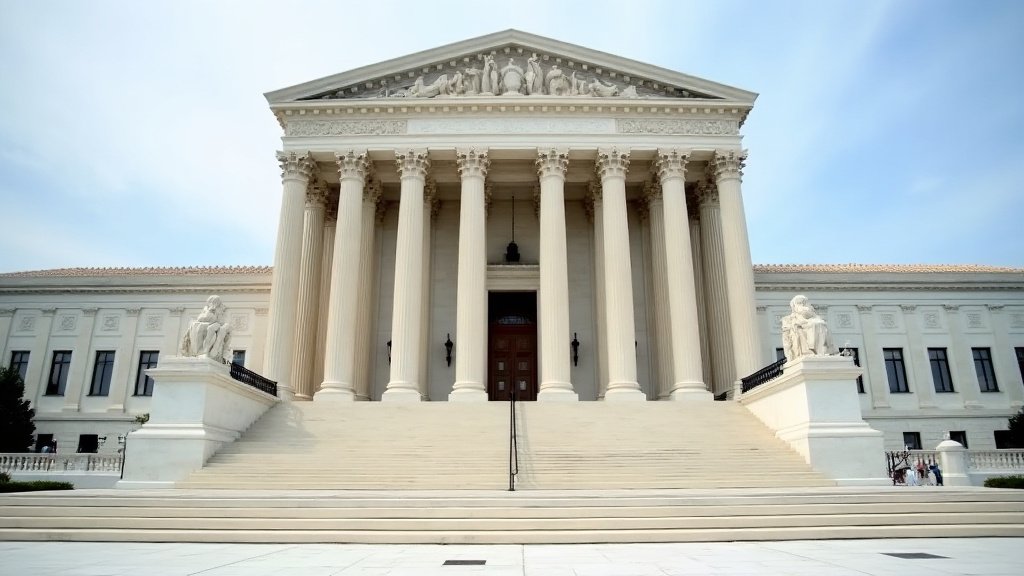
The United States Supreme Court has officially confirmed it will review President Trump’s contentious executive order that effectively restricts asylum access at the southern border. The high court’s decision to intervene sets up a showdown over the extent of presidential power in matters of national security and immigration. With oral arguments scheduled for early next year, the case promises to be a defining moment in the administration’s efforts to curb illegal entries through an “invasion” proclamation, a legal strategy that has faced significant pushback from human rights groups and lower courts alike.
Key Highlights
- Supreme Court Review: The U.S. Supreme Court will hear arguments early next year to determine if the administration can categorically bar asylum claims under the “invasion” proclamation.
- Legal Authority at Stake: The core issue centers on whether the President has the statutory authority to bypass existing asylum laws based on a declaration of a border crisis.
- Section 212(f) Focus: Legal experts anticipate deep scrutiny of Section 212(f) of the Immigration and Nationality Act, which the administration claims provides the legal basis for the restrictions.
- Constitutional Tension: The case creates a direct collision between executive privilege and the legislative intent behind the Immigration and Nationality Act.
The Constitutional Battle Over Border Authority
The central question before the Supreme Court is not merely about border policy but about the constitutional boundaries of the executive branch. The administration’s policy relies heavily on a broad interpretation of Section 212(f) of the Immigration and Nationality Act. This statute empowers the President to suspend the entry of any aliens or class of aliens into the United States if their entry is deemed “detrimental to the interests of the United States.”
Critics of the order argue that this power is not absolute and cannot be used to override the specific, congressionally mandated right to seek asylum. The administration, conversely, maintains that declaring the situation at the southern border an “invasion” necessitates extraordinary measures that supersede standard procedural regulations. This legal tug-of-war has left border policy in a state of flux, with immigration advocates arguing that the policy essentially nullifies the legal framework intended to protect individuals fleeing persecution.
Deconstructing the ‘Invasion’ Proclamation
The nomenclature used in the executive order—specifically the term “invasion”—is a calculated legal maneuver. By framing the flow of migrants as a national security threat rather than merely an administrative challenge, the administration aims to invoke emergency powers traditionally reserved for times of war or severe crisis. The upcoming Supreme Court review will likely analyze whether the President has the unilateral authority to define an “invasion” in the context of mass migration.
This distinction is vital. If the Court accepts the administration’s interpretation, it could grant future executives significantly expanded latitude to bypass Congress on immigration matters. If the Court rejects it, the ruling could act as a permanent check on such executive actions, forcing a return to legislative deliberation for any substantial changes to asylum protocols. The oral arguments will likely hinge on the interpretation of legislative text versus the practical realities of managing the southern border.
Historical Context and Precedent
To understand the gravity of this case, one must look at the historical usage of Section 212(f). While previous presidents have utilized this provision to bar entry to specific groups—such as in the context of the 2017 travel ban—the current application targeting asylum seekers at the border is unprecedented in its scale and nature. The Supreme Court is tasked with determining if the current policy crosses the line from a limited regulatory action into a wholesale rewriting of immigration statutes.
Legal scholars point to previous cases where the Court has demonstrated a reluctance to allow executive power to entirely override clear legislative mandates. However, the Court’s current composition, which has shown deference to executive authority in some national security contexts, makes the outcome of this specific case difficult to predict. The justices will have to balance the executive’s role in securing the border against the judiciary’s role in ensuring the executive acts within the bounds of the law.
Economic and Humanitarian Implications
Beyond the pure legal theory, the implications of this case are profound. The current policy has created significant operational uncertainty at the southern border, leading to backlogs and legal challenges that impact local economies and border communities. If the Court upholds the policy, it could lead to more restrictive, long-term operational changes at the border, potentially altering trade and migration patterns for years to come. Conversely, an overturning of the policy would mandate a rapid pivot toward more traditional asylum processing, which would require the administration to scale up infrastructure to manage the resulting volume of claims.
This case also carries heavy humanitarian weight. Asylum seekers, many of whom are fleeing violence or political instability, are currently faced with a system that may entirely deny them the opportunity to present their cases. The Court’s ruling will effectively determine whether the United States maintains its role as a destination for those seeking asylum or whether the border becomes a nearly impenetrable barrier, regardless of the individual circumstances of the migrants involved.
FAQ: People Also Ask
1. What is the main legal authority used by the administration to block asylum seekers?
The administration cites Section 212(f) of the Immigration and Nationality Act, which allows the President to suspend the entry of any aliens if their entry is considered detrimental to the interests of the United States.
2. When will the Supreme Court hear the arguments for this case?
The Supreme Court has scheduled the oral arguments for early next year, making it one of the most highly anticipated cases on the upcoming docket.
3. What does the ‘invasion’ proclamation mean in legal terms?
The “invasion” proclamation is an attempt to categorize the current border situation as an emergency event that triggers extraordinary executive powers, theoretically allowing the government to override standard immigration laws and asylum procedures.
4. What could happen if the Supreme Court rules against the administration?
If the Supreme Court rules against the administration, the executive order would likely be vacated or significantly narrowed, forcing the government to resume processing asylum claims under established statutory protocols.