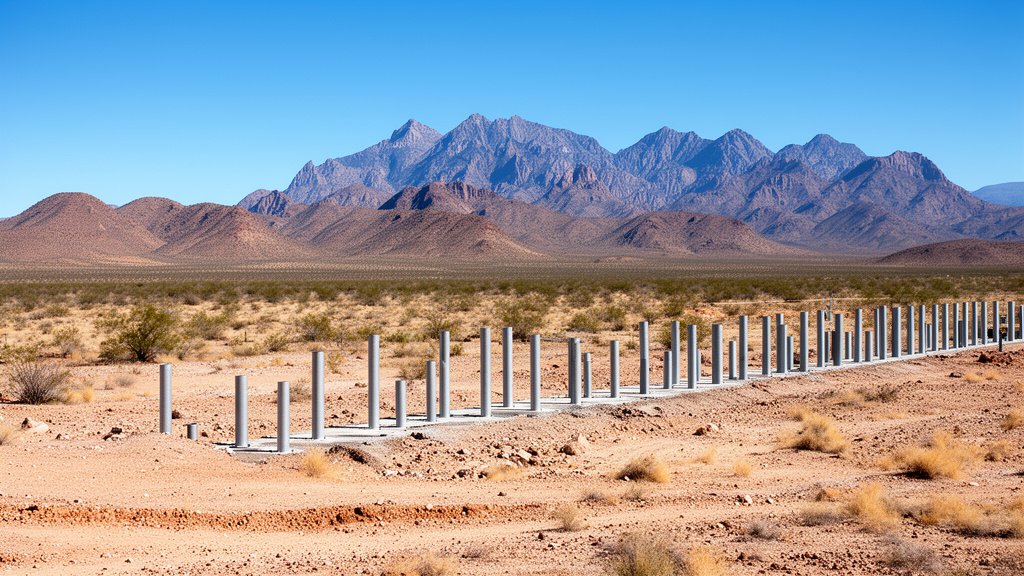
The Trump administration has ordered a brief pause on a border project situated within Big Bend National Park, marking a significant development in ongoing border policy discussions. This suspension, while temporary, arrives at a moment of intense scrutiny regarding the interplay between high-priority infrastructure projects and the inviolability of protected national lands. By shifting the pause button on construction within one of Texas’s most iconic landscapes, federal officials have signaled a moment of recalibration, highlighting the escalating tension between the Department of Homeland Security’s (DHS) operational goals and the National Park Service’s (NPS) conservation mission.
A Unique Ecological Landscape
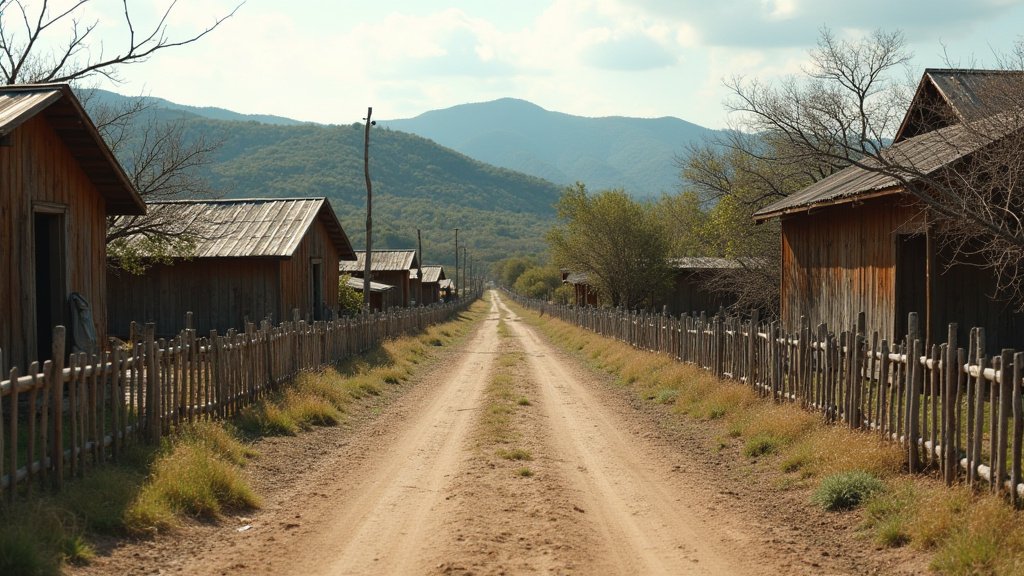
Big Bend National Park represents more than just a geographic location; it is a critical ecological corridor that remains largely untouched, hosting diverse species and complex river systems. The proposed border infrastructure in this region was not merely a construction issue but a concern for the integrity of the Rio Grande basin and the surrounding desert ecosystem. Environmental experts and conservation groups have long argued that the footprint of such extensive wall construction—including roads, lighting, and steel bollards—threatens to fracture the delicate habitat connectivity that defines the park’s character. This temporary pause offers a rare window to assess the potential long-term damage to the flora and fauna that rely on the uninhibited movement across the riverbanks.
The Jurisdictional Tug-of-War
At the heart of the controversy is a complex jurisdictional struggle. U.S. Customs and Border Protection (CBP) operates under a mandate to secure the international boundary, often utilizing waivers to bypass environmental and land-use regulations. Conversely, the National Park Service is legally charged with the preservation of these lands for public enjoyment and scientific integrity. When the Trump administration initiated the pause, it underscored the reality that even within a framework of executive urgency, the federal government must navigate the distinct legal protections afforded to public parks. This conflict pits two branches of federal authority against one another, forcing a re-evaluation of how much latitude federal agencies should have when their infrastructure plans intersect with protected conservation zones.
Environmental Impact and Legal Friction
Beyond the physical barriers, the project has sparked an intense legal and social debate. Local stakeholders, including ranchers, conservationists, and tourism boards, have been vocal about the economic and environmental repercussions of the wall. The pause provides an opportunity for a deeper, perhaps more transparent, review of the environmental impact statements that have been critiqued for their perceived lack of depth regarding the unique, arid terrain of Big Bend. As legal challenges mount, the administration’s decision to briefly halt operations serves as a calculated tactical maneuver, aimed at mitigating political backlash while potentially preparing for a more robust defense of the project’s necessity in the face of ongoing border security demands.
Future Implications for Border Policy
What happens in Big Bend is widely viewed by policy experts as a bellwether for how the U.S. government will manage the intersection of infrastructure development and federal land conservation moving forward. If the project resumes, it will set a precedent for the ease with which future administrations can bypass or override established protections for national parks in the name of national security. Conversely, if the pause leads to a significant modification or relocation of the project, it could signal a newfound recognition of the inherent value in protecting America’s natural heritage against the encroaching demands of border security infrastructure. The coming weeks will be critical in determining whether this pause is a genuine effort at remediation or simply a temporary strategic retreat.
FAQ: People Also Ask
Why was the border project in Big Bend so controversial?
Big Bend National Park is a protected area with a fragile ecosystem. Critics argue that constructing a massive border wall destroys natural habitats, disrupts local wildlife corridors, and infringes upon land designated for conservation and public enjoyment.
Did the pause halt all construction activities permanently?
The pause was categorized as a “brief” suspension. It was primarily designed to allow federal agencies to conduct a review of the construction impacts, rather than an immediate cancellation of the overall border security initiative.
What role does the National Park Service (NPS) play in this conflict?
The NPS is the steward of the land. Its primary conflict with the Department of Homeland Security stems from the agency’s mission to preserve the park’s natural state, which is directly threatened by the large-scale industrial construction required for modern border fencing.
How does this affect the broader U.S.-Mexico border strategy?
The incident at Big Bend serves as a case study for the limitations and public friction associated with border wall construction on federal, non-military, and sensitive environmental lands, influencing how subsequent projects are planned and executed across the Southern border.