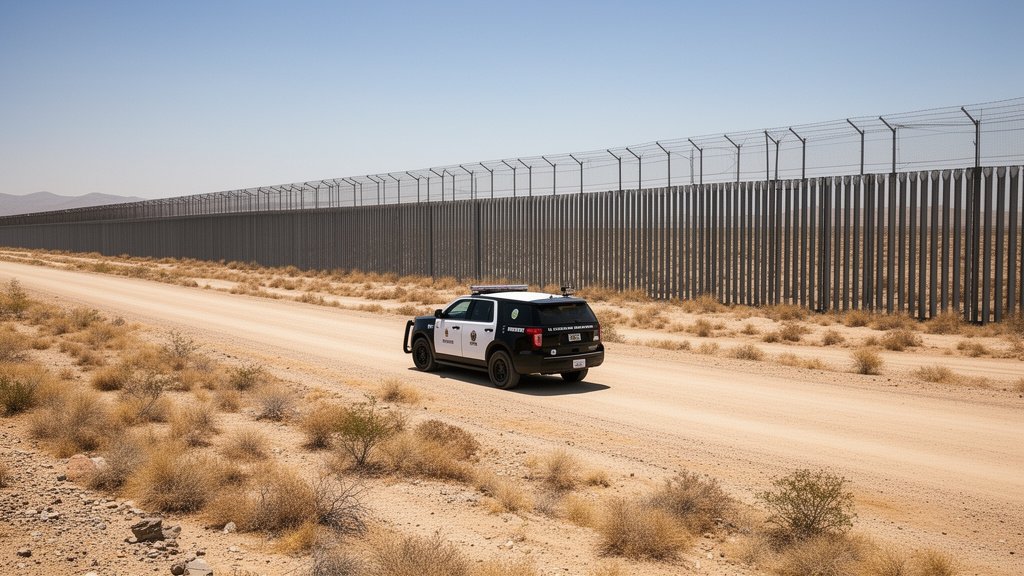

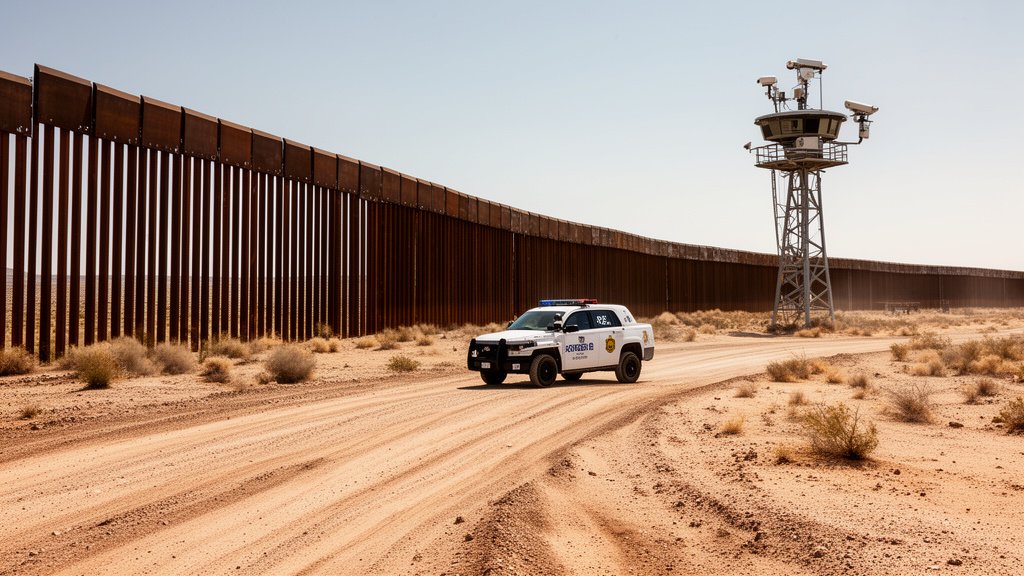
In a historic shift for national security and immigration enforcement, the Department of Homeland Security (DHS) has released preliminary fiscal year 2026 data revealing a 95% reduction in southwest border apprehensions compared to the previous administration. This dramatic downturn represents the lowest level of annual encounters ever recorded in United States history, signaling a fundamental transformation in border management under the leadership of President Trump and Secretary Mullin. Most significantly, this report confirms the first fiscal year in modern history to conclude with zero Border Patrol releases, marking the successful implementation of the administration’s stringent enforcement protocols.
Key Highlights
- A staggering 95% decrease in southwest border apprehensions compared to previous reporting periods.
- The lowest annual volume of border encounters in U.S. history, reflecting a near-total cessation of illegal crossing attempts.
- The achievement of a “zero-release” milestone, with no detainees processed for release into the interior of the country during FY 2026.
- A complete overhaul of existing immigration processing workflows, prioritizing immediate deportation and strict detention standards.
Analyzing the FY 2026 Border Security Shift
The data released by the Department of Homeland Security serves as a definitive case study in the efficacy of the administration’s aggressive enforcement strategy. By shifting the operational focus from the processing of individuals to the active prevention of illegal entry, the Trump-Mullin administration has essentially altered the incentive structure for potential migrants. The 95% reduction in apprehensions is not merely a statistical anomaly but the byproduct of a systemic refusal to engage in the “catch-and-release” policies that defined the previous decade.
The Mechanism of the 95% Reduction
The drastic decline in numbers can be traced back to the implementation of new, rigorous operational directives issued by Secretary Mullin in early 2026. These directives prioritized the rapid, real-time identification of crossing attempts and deployed enhanced surveillance technology alongside increased Border Patrol presence at known hotspots. By saturating critical crossing points and ensuring that detection immediately translates into interdiction, the administration has successfully deterred the mass migration flows that previously overwhelmed local resources. The reliance on advanced tactical, non-intrusive inspection technology has also allowed for a more precise management of the border, ensuring that the U.S. Border Patrol is operating with maximum efficiency.
Understanding the Zero-Release Policy
Perhaps the most consequential metric in the DHS report is the attainment of “zero releases” for the fiscal year. Historically, the burden on U.S. border towns, non-profit organizations, and municipal budgets was driven by the downstream impact of migrant processing and release. By effectively eliminating the release mechanism, the administration has removed the primary pull factor for those attempting to enter the country illegally. This policy forces all individuals processed at the border to remain in detention or be returned immediately to their point of origin, thereby shifting the administrative and logistical burden away from the U.S. interior. This approach has effectively reset the standard for border enforcement, establishing a deterrent that has proven highly effective over the course of the 12-month period.
Regional Stability and Economic Impact
The secondary effects of these enforcement efforts are beginning to manifest in border communities. Towns that previously struggled with the logistical and financial strain of large-scale migrant processing have reported a return to normalcy. Local infrastructure, including schools, hospitals, and emergency services, has seen a reduction in strain, allowing these municipalities to pivot toward long-term economic development rather than crisis management. Furthermore, the stabilization of the border has led to increased predictability in cross-border trade and commercial operations, providing a level of security that had been absent for years.
Looking Toward Future Border Management
As the administration looks toward the next fiscal year, the focus is expected to shift from the initial stabilization phase to the long-term hardening of the border. The success of the FY 2026 policies suggests that the current enforcement model—characterized by strict adherence to detention and removal protocols—will remain the status quo. However, critics and observers are already debating the long-term implications for international diplomatic relations and the potential for new migratory routes to emerge elsewhere in the region. The Trump-Mullin administration maintains that the priority remains the absolute integrity of the sovereign border, and that current strategies will be scaled or adjusted to meet future threats as they evolve.
FAQ: People Also Ask
Q: What does “zero Border Patrol releases” actually mean for the immigration system?
A: It means that every individual apprehended by the Border Patrol was either detained pending deportation or immediately returned to their country of origin. No individuals were granted temporary release into the U.S. interior to await court hearings.
Q: How does the 95% reduction compare to historical highs?
A: The 95% reduction is measured against the peaks of the previous administration. It represents the lowest number of total encounters in the history of the Department of Homeland Security, effectively reversing the upward trend of the last decade.
Q: Is this trend expected to continue into the next fiscal year?
A: According to statements from the administration, the current “zero-release” policy and enforcement strategies are intended to be permanent fixtures of U.S. immigration policy, suggesting that the administration intends to maintain these low encounter levels indefinitely.
Q: What role did technology play in these statistics?
A: Enhanced, non-intrusive inspection technology and expanded surveillance systems were critical in allowing border agents to detect and intercept crossing attempts with significantly higher precision than in previous years.