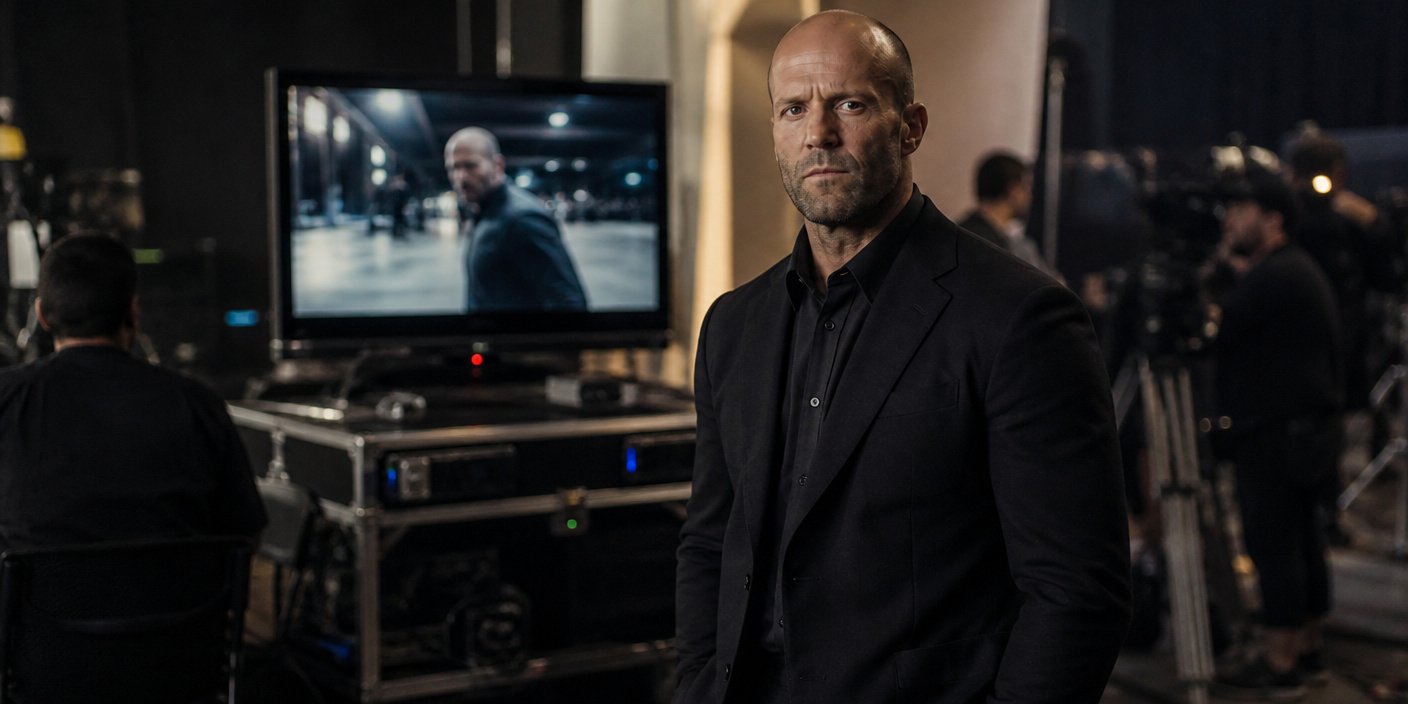


Netflix has executed a seismic leadership transition, ousting long-time executive Bela Bajaria from her role as Chief Operating Officer. The streamer has tapped former Disney and Fox veteran Peter Rice as her successor, signaling a calculated pivot toward prestige cinema within their global content strategy. This major restructuring marks a definitive move away from the volume-heavy content model that has defined the streamer’s growth for the past decade, as the company eyes a more curated, award-focused future under Rice’s guidance.
Key Highlights
- Leadership Transition: Former COO Bela Bajaria has been ousted, with industry veteran Peter Rice appointed as the new COO to spearhead content strategy.
- Strategic Realignment: The move signals an aggressive pivot toward prestige cinema and high-caliber storytelling, aiming to elevate the Netflix brand.
- Pedigree Hiring: Peter Rice brings extensive experience from his tenure at 21st Century Fox and The Walt Disney Company, where he was known for championing critically acclaimed projects.
- Market Implication: Analysts suggest this shake-up is a response to evolving viewer habits and the need to bolster long-term subscriber retention through quality over quantity.
The Strategic Pivot to Prestige
The appointment of Peter Rice as Chief Operating Officer is not merely a personnel change; it represents an fundamental recalibration of Netflix’s corporate DNA. For years, the streaming giant has dominated the market by prioritizing content output volume, utilizing algorithmic data to drive production decisions that maximized user engagement hours. While successful in establishing a global footprint, this strategy has often faced criticism regarding the lack of “cultural watercooler moments” that defined the golden age of prestige television and cinema.
By installing Rice—an executive widely credited for his role in defining the prestige drama era at Fox Searchlight and later at Disney—Netflix is signaling a clear desire to secure its legacy. Rice’s career has been characterized by a willingness to bet on auteur-driven projects and complex narratives that traditionally command critical acclaim and awards-season prestige. For Netflix, this transition suggests an impending shift in development budgets: moving funds from the “middle-of-the-road” content slate toward high-gloss, premium productions intended to capture both critical praise and long-term prestige value.
The Rice Effect: A New Blueprint
Peter Rice’s resume is a roadmap for this new era. During his time at 21st Century Fox, he oversaw a division that produced Academy Award-winning films and highly celebrated television series. Unlike executives who prioritize rapid-fire content delivery, Rice’s methodology favors a “slow-burn” development cycle that nurtures talent and allows projects to find their unique aesthetic voice.
Netflix investors and content creators alike will be watching closely to see how this philosophy translates to the streaming interface. If Rice’s past is prologue, expect a tightening of the development slate. The “Netflix Original” stamp, which has become ubiquitous, may soon be segmented into tiers, with a distinct emphasis on the prestige banner. This shift is essential in a market where saturation is at an all-time high; when every platform offers content, the only differentiator is the depth of the storytelling.
Challenges in the Streaming Wars
The transition comes at a pivotal moment. The streaming industry is currently grappling with subscriber fatigue and the necessity of monetization beyond simple monthly fees. By focusing on prestige content, Netflix aims to reduce churn—subscribers are less likely to cancel if the platform is viewed as a home for high-quality entertainment that cannot be found elsewhere.
However, this pivot is not without risk. The data-driven audience that Netflix cultivated over the last decade expects a constant flow of new content. Scaling back on volume to pursue prestige could alienate a portion of the user base that values variety and binge-ability over critical acclaim. Rice will need to navigate a delicate balance: maintaining the robust engagement metrics that keep the stock price healthy while transforming the platform into a prestige powerhouse.
FAQ: People Also Ask
1. Why was Bela Bajaria ousted from Netflix?
The company has not disclosed the specific internal justifications for the departure of Bela Bajaria, though the board has framed the leadership change as a necessary strategic pivot to steer the company toward a new focus on prestige content and long-term brand equity.
2. How will Peter Rice change Netflix’s content strategy?
Peter Rice is expected to bring a “prestige-first” approach, leveraging his experience at Fox and Disney to prioritize high-caliber storytelling, director-driven projects, and award-worthy cinema, moving away from the high-volume model of previous years.
3. Is this a permanent shift for the streaming industry?
This move by Netflix reflects a broader industry trend where major platforms are shifting from growth-at-all-costs to profitability and brand-building. If successful, it is highly likely that competitors will follow suit, resulting in a market-wide shift toward premium, “appointment viewing” content.