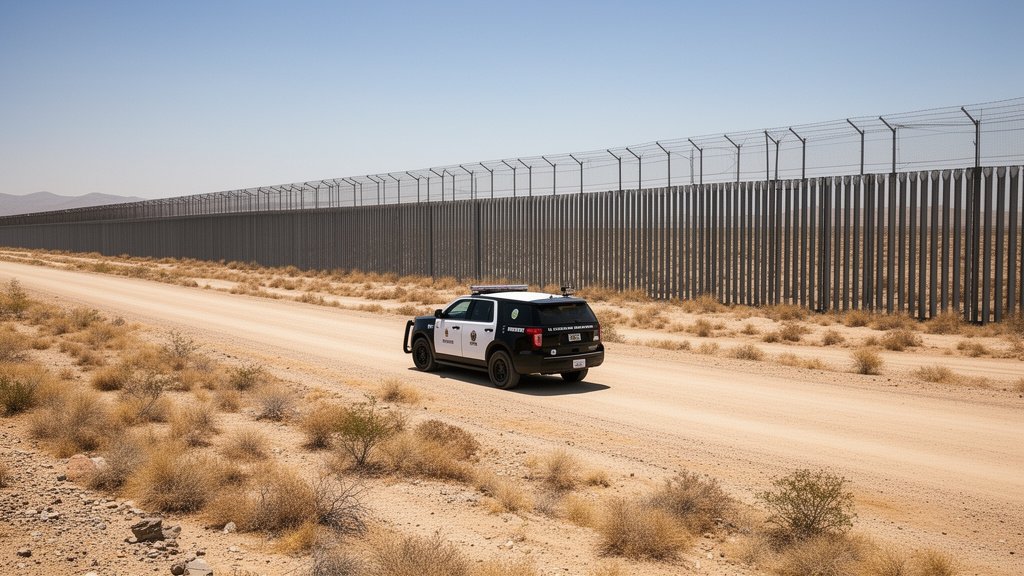

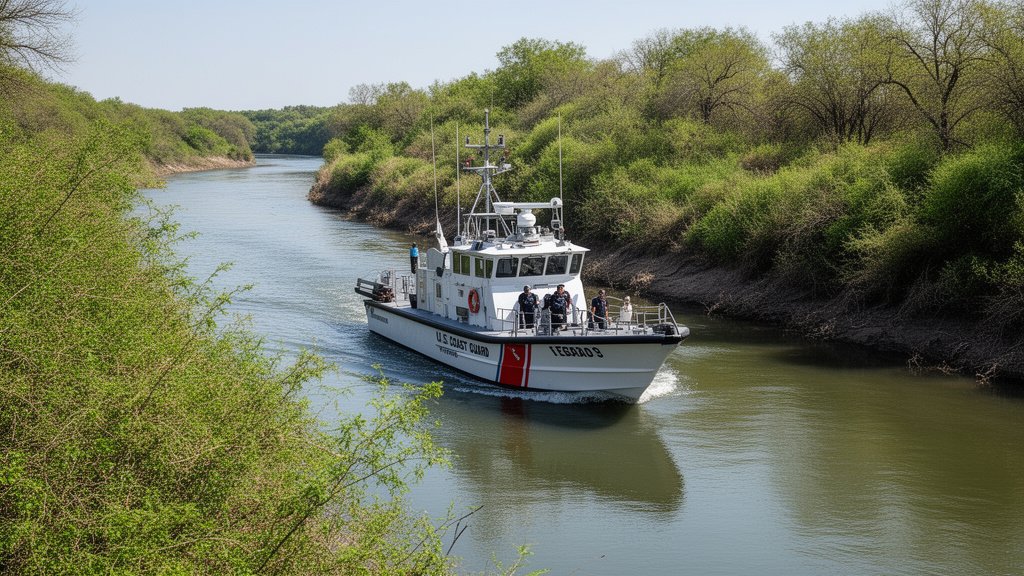
A routine patrol by the U.S. Coast Guard escalated into a combat scenario near Garceno, Texas, when personnel came under fire from the Mexican bank of the Rio Grande. The incident, occurring during the ongoing Operation River Wall, highlights the increasing volatility of border security missions and the rising risk to maritime law enforcement in the region. Coast Guard units were compelled to return fire in a defensive posture, underscoring the precarious security environment currently defining the maritime border.
Key Highlights
- The U.S. Coast Guard (USCG) engaged in a direct gunfight with unidentified shooters positioned on the Mexican side of the Rio Grande.
- The confrontation occurred while USCG units were conducting specialized patrols under the initiative “Operation River Wall.”
- Garceno, Texas, has been identified as a critical, high-activity location for recent maritime interdiction and smuggling efforts.
- This event marks a significant escalation in the physical threat profile facing U.S. law enforcement along the maritime border.
The Rising Tide of Border Volatility
The recent exchange of gunfire between U.S. Coast Guard personnel and individuals on the Mexican bank of the Rio Grande represents a stark departure from the typical operational environment of maritime border security. While the Coast Guard is accustomed to high-stakes interdiction operations—often involving illicit smuggling of narcotics or undocumented persons—direct kinetic engagement with shooters on the opposing bank suggests a shift in the threat landscape. The incident, centered near Garceno, Texas, serves as a grim indicator that the challenges faced by federal agents are no longer confined to the water, but are being influenced by hostile actors operating from the sovereign soil of Mexico.
Analyzing the Operation River Wall Mandate
Operation River Wall was established as a strategic, multi-layered initiative designed to combat illicit cross-border movement. It is not merely a patrol mission; it is a tactical deployment of assets—including shallow-draft vessels, sensor technology, and interagency cooperation—meant to deny transnational criminal organizations (TCOs) the ability to utilize the Rio Grande as a reliable smuggling corridor. The primary objective is the disruption of these networks. However, as these networks face increased pressure from U.S. patrols, the violent pushback has intensified. The firefight serves as a proof-point of the operation’s success in disruption, but also reveals the direct cost of such deterrence: a more aggressive response from the criminal elements that rely on these river routes.
The Strategic Importance of the Garceno Corridor
Geography dictates the tactics of both law enforcement and smuggling operations. The Garceno area, characterized by its winding river paths and dense vegetation along the banks, creates natural ‘chokepoints’ where visibility is limited and terrain is difficult to navigate. For smugglers, this provides tactical advantages for concealment. For the Coast Guard, it requires a high state of vigilance. The recent engagement demonstrates that these geography-driven dynamics have become a central front in the broader battle for control. When federal assets enter these corridors, they are entering territory often scouted or held by armed cartel lookouts. The exchange of fire near Garceno was not a random encounter; it was an intersection of federal law enforcement mandates and the desperate defense of profitable, illicit logistics routes.
Broader Implications for Maritime Security
The escalation in Garceno forces a reevaluation of the risk-benefit analysis for personnel on the water. Following this incident, internal discussions regarding force protection measures are inevitable. Does the Coast Guard require increased air support, such as drone surveillance or helicopter overwatch, for every routine patrol in high-risk zones? Does this force a permanent change in the Rules of Engagement (ROE) for maritime units? Beyond tactical adjustments, this incident invites scrutiny of the binational relationship. Effectively curbing such violence requires not only U.S. interdiction but also cooperation and enforcement on the Mexican side of the river. Without a coordinated effort to suppress the armed groups operating on the riverbanks, the risk of future, potentially fatal, encounters remains high.
FAQ: People Also Ask
What is Operation River Wall?
Operation River Wall is a specialized U.S. Coast Guard initiative focused on patrolling and securing the Rio Grande river. Its primary objective is to deter and interdict illicit cross-border smuggling of narcotics, weapons, and undocumented individuals.
Did U.S. personnel sustain injuries in the Garceno incident?
Official reports following the immediate engagement indicated that Coast Guard personnel returned fire. While the situation remains under investigation, the incident has highlighted the extreme danger federal agents face when patrolling these specific high-traffic smuggling routes.
Why is Garceno, Texas, a hotspot for border violence?
Its geography—characterized by challenging river terrain and strategic smuggling corridors—makes it a high-value area for criminal organizations. Law enforcement pressure in this area often meets with aggressive resistance from cartel-affiliated groups attempting to protect their operational logistics.
How does this incident affect current border patrol strategies?
This incident is expected to lead to a review of force protection protocols, potentially increasing the demand for real-time aerial surveillance (drones/helicopters) and closer interagency coordination to support maritime patrols in hostile environments.