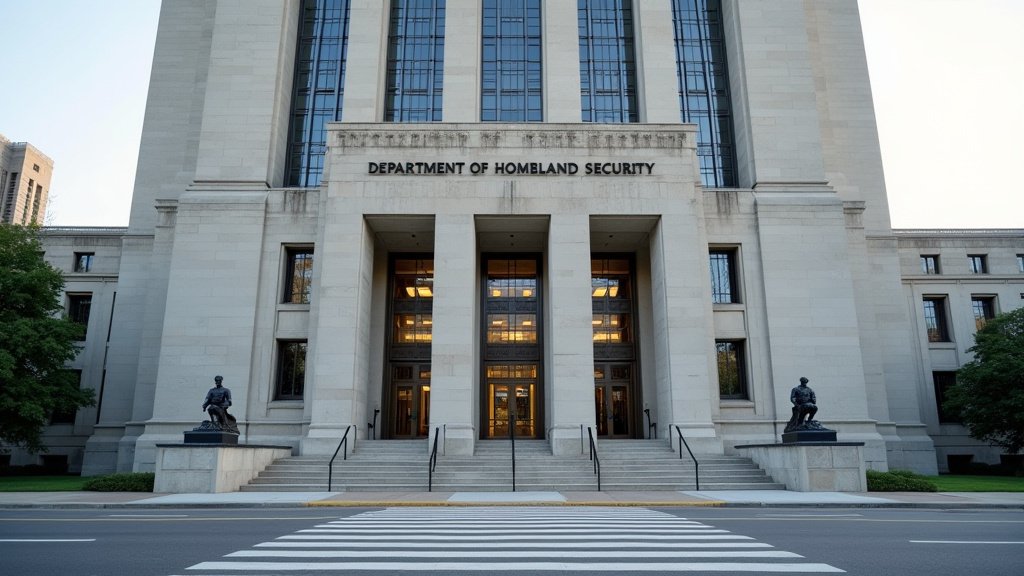

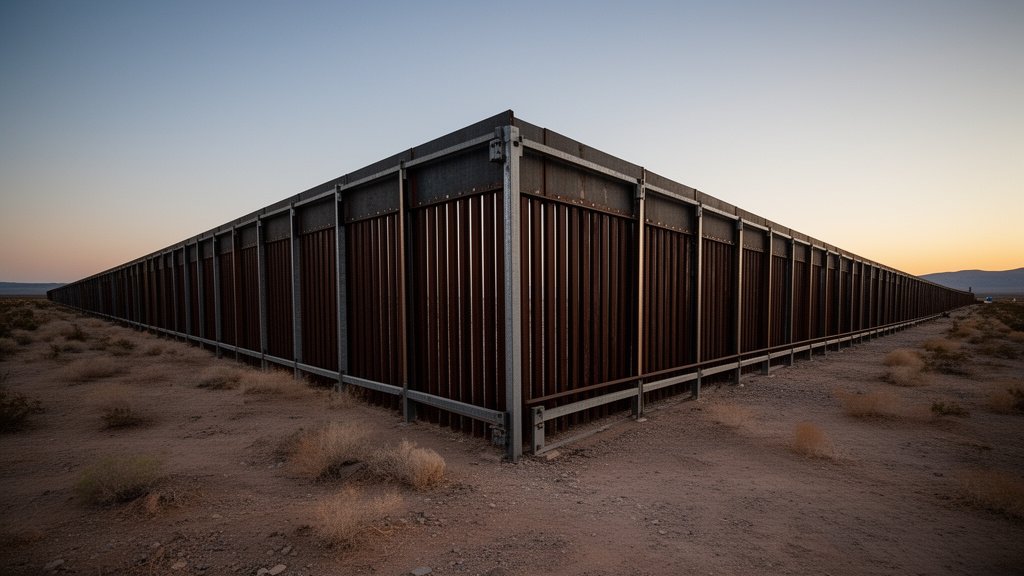
The Department of Homeland Security (DHS) has formally announced a 180-day extension of the ‘Finding of Mass Influx of Aliens’ designation, a legal determination initially implemented in September 2025. This administrative action, authorized directly by the Secretary of Homeland Security, continues the standing legal framework that provides federal authorities the necessary latitude to manage border processing protocols when faced with specific, high-volume migratory scenarios. By extending this finding, the agency maintains continuity in its ability to utilize expedited procedures, ensuring that operational capabilities remain aligned with the legal definitions established in the aftermath of the previous influx findings. This extension effectively ensures that the status quo remains in place, preventing a lapse in the regulatory authority that governs how federal agencies manage individuals encountered during a mass influx event.
- Duration: The extension period is set for 180 days from the date of the new notice.
- Origin: This action extends the initial finding made in September 2025.
- Authority: The Secretary of Homeland Security holds the legal power to designate and extend these findings.
- Objective: To provide continuous legal authority for the management of border scenarios defined as a mass influx, facilitating operational responses under the Immigration and Nationality Act (INA).
Understanding the Administrative Strategy of Border Designations
The Legal Mechanics of the ‘Mass Influx’ Finding
At the core of this policy is the nuanced interplay between executive discretion and the Immigration and Nationality Act (INA). The ‘Finding of Mass Influx of Aliens’ is not merely an operational observation; it is a critical regulatory tool. When the Secretary of Homeland Security issues or extends this finding, it triggers specific administrative authorities. These authorities allow the Department of Homeland Security to streamline processing, utilize temporary facilities, and, in certain instances, expedite the removal or processing of individuals under criteria that are otherwise restricted during standard operational periods. This mechanism is designed to be reactive, giving the federal government a pre-authorized playbook to deploy when border encounters exceed typical capacities. By extending this for another 180 days, the DHS ensures that the agency does not have to restart the complex, often time-consuming bureaucratic process of re-designating the status, thereby maintaining a consistent posture at the border.
Operational Implications and Resource Allocation
What does a 180-day extension mean for those on the front lines? Beyond the legal jargon, this designation has tangible effects on resource allocation. It allows the DHS to justify the mobilization of additional personnel, the procurement of temporary logistics, and the coordination between multiple agencies—including Customs and Border Protection (CBP) and Immigration and Customs Enforcement (ICE)—that might otherwise be hamstrung by standard operating procedures. The extension provides a stable, 180-day window during which these resource-heavy operations can continue without the fear of immediate legal contraction. It functions as a form of administrative ‘steady state,’ allowing agencies to focus on logistics, health screenings, and security processing rather than navigating the uncertainty of expiring legal authorities.
The Historical and Legislative Context
Looking back to the initial finding in September 2025, the government established a precedent for using the ‘Mass Influx’ designation as a primary tool for border stability. This was not a singular event but rather a marker of a broader shift in how federal entities interpret their powers under the INA. Critics and supporters alike often debate the scope of this executive power; however, from an administrative standpoint, it has become the standard mechanism for managing large-scale, sustained arrivals. By keeping this in place, the administration is signaling a long-term approach to border management that relies on these specific, extended findings to maintain operational control. This approach reflects a move away from crisis-to-crisis management, attempting instead to create an ‘operational baseline’ that lasts for the duration of these 180-day blocks.
Analyzing Secondary Impacts: Economic and Infrastructure Factors
While the primary intent is border control, the secondary impacts of this extension are profound. A 180-day designation allows for longer-term contracting for border infrastructure. When the government knows a status is secure for half a year, it can enter into more favorable contracts for services, technology, and support facilities. This is an often-overlooked economic aspect of the policy. Furthermore, it impacts the local communities near border regions. Predictability in federal enforcement postures allows local municipalities to better plan for the ripple effects of high-volume border activity, such as traffic management, health service utilization, and local law enforcement support. The stability provided by this extension allows for a more methodical approach to these auxiliary challenges.
Future Outlook: The Cyclical Nature of Renewals
Looking forward, the question arises: what happens after the 180 days expire? Historically, these findings have been renewed based on ongoing assessments of border volume and the capacity of the current legal infrastructure to handle it. Given the current trends observed since September 2025, it is highly probable that the DHS will continue to evaluate the necessity of this finding in 180-day increments. This cyclical renewal process serves as a de facto check-and-balance, forcing a periodic review of the situation rather than allowing the designation to become a permanent, static rule without oversight. It forces the administration to periodically validate the continued need for such authority, ensuring that it remains tied to the reality of the ground situation rather than becoming a permanent artifact of policy.
FAQ: People Also Ask
Q: What is the primary purpose of the ‘Mass Influx’ designation?
A: It is a legal determination made by the Secretary of Homeland Security that triggers specific authorities under the Immigration and Nationality Act. These authorities allow for expedited processing and expanded operational capabilities during periods of high border volume.
Q: Does this extension change current immigration policy?
A: No, this extension is procedural. It maintains the existing legal authority to manage border scenarios but does not inherently change the underlying immigration laws or visa policies; it merely keeps the DHS’s ’emergency’ operational tools active for another 180 days.
Q: How does this differ from previous border findings?
A: This specific extension is a continuation of the finding established in September 2025. It is consistent with recent administrative practices of utilizing 180-day windows to maintain operational stability without requiring frequent, disruptive re-authorizations.