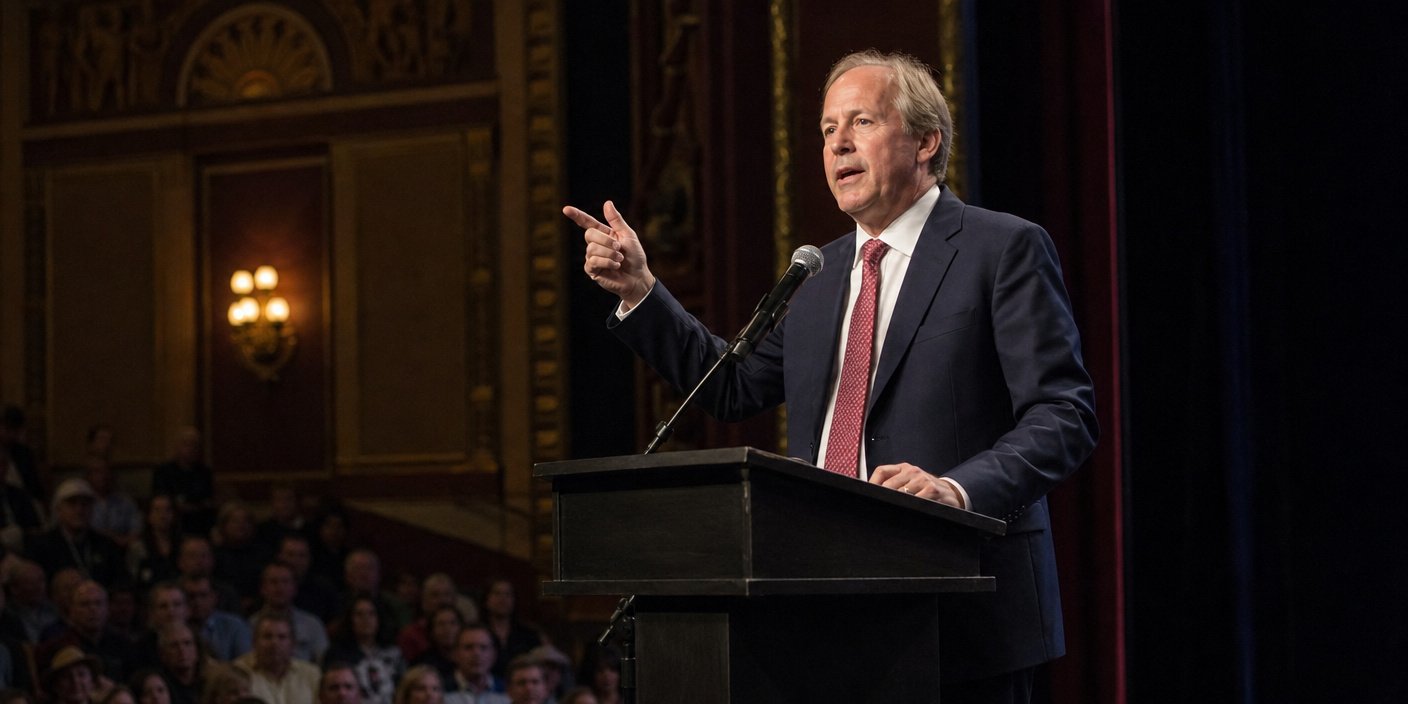
The atmosphere inside The Palladium in downtown Waco was electric as Texas Attorney General Ken Paxton arrived to address a crowd of local voters, marking a pivotal moment in his campaign for the Texas Senate. Surrounded by the historic architecture of the venue, Paxton utilized the setting to reinforce his central campaign slogan: ‘This race is about defending Texas.’ With the November election approaching, the event served as a clear signal of the campaign’s intent to prioritize law enforcement initiatives, fiscal conservatism, and a robust defense of state sovereignty against federal overreach.
The ‘Defending Texas’ Doctrine
Paxton’s address focused heavily on what he defines as the protection of the Texas model. His speech touched on his record as Attorney General, citing ongoing litigation against federal mandates and his commitment to border security as the bedrock of his legislative philosophy. For Paxton, the Senate seat is not merely an office but a defensive bulwark. He argued that the current economic climate in Texas—while robust—faces existential threats from regulatory policies and shifts in cultural leadership.
‘Defending Texas is about more than just policies; it is about preserving the autonomy that has made this state the economic engine of the nation,’ Paxton told the audience. He stressed that his experience in the executive branch provided him with the necessary ‘legal grit’ to challenge judicial and legislative roadblocks in Austin. This messaging resonated with a crowd concerned about the encroachment of national politics into local affairs, positioning Paxton as an experienced hand ready to transition from a litigator to a lawmaker.
Economic Policy and Fiscal Strategy
Beyond the headline-grabbing rhetoric, the Waco rally delved into specific economic priorities. Paxton addressed the rising cost of living, which has impacted cities across Central Texas. His solution centers on reducing the tax burden on small businesses and limiting municipal zoning regulations that he claims hinder growth.
He critiqued the current fiscal trajectory, warning that state expenditures need to be reined in to protect the ‘Texas miracle’—a reference to the rapid growth and investment the state has seen over the last decade. His supporters view this approach as essential to maintaining the state’s competitive edge. By focusing on deregulation, Paxton aims to appeal to a business-conservative coalition that seeks stability in the energy, tech, and agricultural sectors—all vital to the Central Texas region.
The Contrast: Paxton vs. Talarico
The backdrop of this campaign is the ideological divide between Paxton and his Democratic challenger, State Representative James Talarico. While Paxton advocates for a ‘hard-right’ defensive posture, Talarico has built his campaign on themes of education reform, healthcare accessibility, and infrastructure investment. The Waco event highlighted the stakes: voters are essentially choosing between two radically different visions for the state’s future.
Political analysts view the contest as a bellwether for the state’s shifting demographics. While Republicans have historically dominated state-wide races, Talarico’s campaign is banking on the growing urbanization and diversification of Texas’s legislative districts. Paxton’s presence in Waco—a historically significant hub—is a strategic move to lock in the base and ensure high turnout in regions that traditionally lean conservative, effectively neutralizing the momentum Talarico is attempting to build in metropolitan corridors.
Secondary Angles: Regional Impact and Political Future
1. The Role of the AG in the Senate: The transition from Attorney General to Senator is rare but potentially transformative. If successful, Paxton would bring a litigious mindset to the upper chamber, likely shifting the Senate’s legislative approach toward more aggressive legal challenges against the executive branch.
2. Waco as a Bellwether: Often overlooked in favor of Austin, Dallas, or Houston, Waco is increasingly critical. Its demographic blend makes it a strategic testing ground for campaign messaging that hopes to bridge the gap between rural and suburban voters.
3. Institutional Memory vs. Fresh Perspectives: The race highlights a classic tension in Texas politics: the value of institutional experience, represented by Paxton’s long tenure in statewide office, versus the call for new leadership and policy innovation championed by Talarico.
Conclusion
As the campaign heats up, the rhetoric coming out of events like the one at The Palladium will likely intensify. For Ken Paxton, the path to the Senate is clear: consolidate the conservative vote, frame the opposition as an existential threat to Texas values, and leverage his background in the legal system to promise voters immediate results. With both candidates drawing sharp lines in the sand, Texas voters are heading toward a contentious and defining electoral decision.
FAQ: People Also Ask
What is the significance of Ken Paxton holding a rally in Waco?
Waco serves as a strategic Central Texas hub that bridges the gap between the state’s major metropolitan areas and its rural voter base. Holding an event at The Palladium helps consolidate support in a region that is often seen as a bellwether for state-wide sentiment.
What are the core differences between Ken Paxton and James Talarico?
Ken Paxton champions a platform of fiscal conservatism, aggressive border security, and deregulation. In contrast, James Talarico focuses on public education investment, healthcare expansion, and addressing urban infrastructure needs.
What does ‘Defending Texas’ mean in the context of Paxton’s campaign?
It is a catch-all slogan referring to Paxton’s commitment to fighting federal overreach, securing the border, and maintaining the state’s current legal and economic policies against changes proposed by Democratic challengers.
Is the Texas Senate seat considered competitive?
While Texas has historically favored Republican candidates in statewide races, the emergence of high-profile challenges like Representative James Talarico suggests that both parties are investing heavily in this cycle, with each side looking to mobilize their respective bases in key geographic areas.