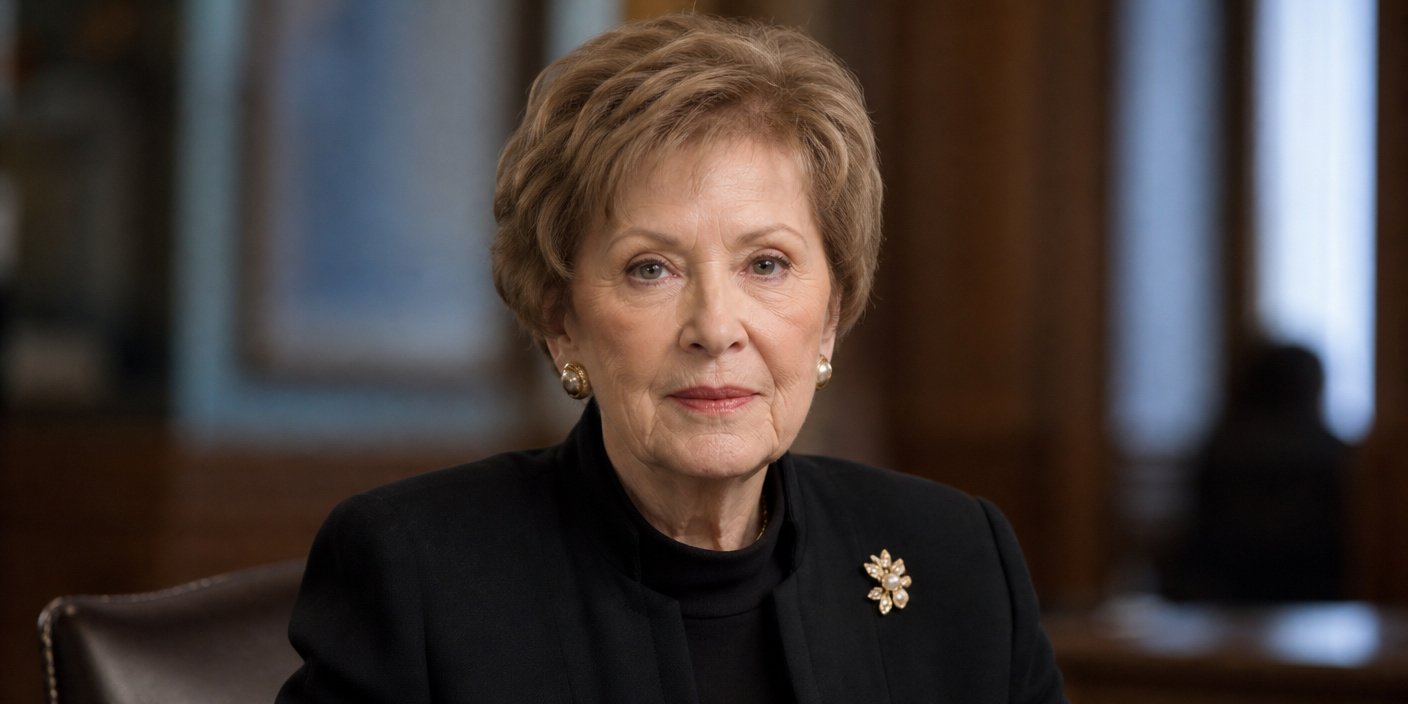
The political landscape of North Texas has lost one of its most formidable architects. Kay Granger, the trailblazing Republican who served as the first female mayor of Fort Worth and represented Texas in the U.S. House of Representatives for nearly three decades, passed away on Sunday, August 2, 2026. She was 83.
Her passing marks the end of an era for the 12th Congressional District and the city of Fort Worth, which she helped transform from a post-industrial hub into a thriving economic center. Granger’s career was defined by her ability to bridge the gap between local municipal needs and federal legislative power, a feat she accomplished through her long-standing tenure on the House Appropriations Committee.
Key Highlights
- Pioneering Leadership: Granger served as the first female mayor of Fort Worth, paving the way for women in Texas municipal and national politics.
- Congressional Tenure: She represented Texas’ 12th Congressional District from 1997 until her retirement in 2025, consistently winning reelection by wide margins.
- Master of Appropriations: As the former Chair of the powerful House Appropriations Committee, she played a critical role in directing federal funding toward defense, transportation, and infrastructure projects.
- Economic Transformation: She was a central figure in the revitalization of downtown Fort Worth and the expansion of defense manufacturing in the region.
The Architect of Modern Fort Worth
Kay Granger’s trajectory was never a straight line; it was a series of glass ceilings shattered with calculated, bipartisan precision. Born in 1943, Granger’s political career began in the trenches of local government. When she was elected as the first female mayor of Fort Worth in 1991, the city was grappling with the challenges of economic transition. Her administration is widely credited with focusing on downtown revitalization, public-private partnerships, and infrastructure development—elements that would become the blueprint for Fort Worth’s subsequent boom.
From City Hall to Capitol Hill
Transitioning from the mayor’s office to the U.S. House of Representatives in 1997, Granger made history as the first Republican woman to represent Texas in Congress. Her arrival in Washington D.C. came at a pivotal moment. She quickly learned that the real power in the House often resided not in the loudest floor speeches, but in the nuanced negotiations of the Appropriations Committee. She spent the majority of her congressional career climbing the ranks of this committee, eventually rising to the position of Chair.
The Power of the Purse
Granger’s reputation in Washington was that of a “workhorse,” not a “show horse.” While other politicians sought the limelight of cable news, Granger focused on the mechanics of governance. As Chair of the House Appropriations Committee, she held significant sway over the federal budget. She prioritized projects that had a tangible impact on her constituents, most notably the defense sector. She was a fierce advocate for the F-35 program and other defense initiatives centered in the Fort Worth area, understanding that these projects provided not only national security but thousands of high-paying jobs to her district.
A Legacy of Bipartisan Negotiation
Perhaps the most defining characteristic of Granger’s career was her pragmatic approach to legislation. In an increasingly polarized environment, she maintained a reputation for being able to negotiate across the aisle to get bills passed. Her ability to secure funding for critical infrastructure projects—such as the Trinity River Vision and various regional transportation improvements—relied on her ability to build coalitions. She navigated the complex waters of federal spending with a level of discipline that garnered respect from peers and rivals alike. Her retirement in 2025 was met with tributes from both sides of the political aisle, a rare feat in the modern legislative era.
Secondary Angles: The Future of Texas Politics
Granger’s death prompts a reflection on several key themes. First, the shifting demographic and political landscape of Texas. When she began her career, she was an outlier; today, women in leadership roles in Texas are more common, though still not the norm in the upper echelons of federal power. Her career serves as a case study for future leaders on how to maintain a base of support while navigating the institutional bureaucracy of Washington.
Second, the economic impact of her tenure cannot be overstated. By leveraging federal appropriations, she institutionalized Fort Worth’s place in the defense industry, which now serves as a pillar of the local economy. Future congressional representatives will face the challenge of replicating this success without her decades-old relationships and committee seniority.
Third, the “Appropriations” model she utilized—often called earmarking or directed spending—remains a subject of debate. Granger viewed these mechanisms as essential tools for local development. Her death leaves a vacuum in how Texas districts will advocate for federal dollars in the coming fiscal cycles.
FAQ: People Also Ask
What were Kay Granger’s most significant legislative achievements?
Granger is best known for her chairmanship of the House Appropriations Committee, where she prioritized defense spending, including the F-35 Lightning II program, and critical regional infrastructure projects in North Texas, such as major highway expansions and the Trinity River revitalization.
What is her legacy as the first female mayor of Fort Worth?
As the first female mayor of Fort Worth (1991–1995), she successfully turned the city’s focus toward downtown redevelopment and economic expansion, setting the stage for the growth the city experienced over the next three decades.
How long did Kay Granger serve in the U.S. House?
Kay Granger served in the U.S. House of Representatives for 28 years, representing Texas’ 12th Congressional District from 1997 until her retirement at the end of the 118th Congress in 2025.
Why was she considered a trailblazer for Texas Republicans?
She was the first Republican woman elected to represent Texas in the U.S. House, breaking barriers and opening doors for future generations of women in the Texas Republican Party.